Auditor Skills.
Designing a auditor skills workshop takes time. You need to prepare presentation slides, structure the learning content, develop practical exercises, and create resources that help participants apply their new skills.
Now you can teach practical auditing skills that help your participants prepare for audits, gather evidence, evaluate findings and support effective quality systems.
If you’re teaching stronger auditing capabilities, our Quality Management Skills and Performance Benchmarking training materials are useful companions to this course.
Meet Our Customers.






































Who Are These Training Materials For?
These ready-to-use training course materials are used by corporate trainers, independent consultants, HR professionals, educators, and people managers.
What’s Covered.
1. An introduction to auditor skills
- Critical aspects of audits.
- The main types of reviews.
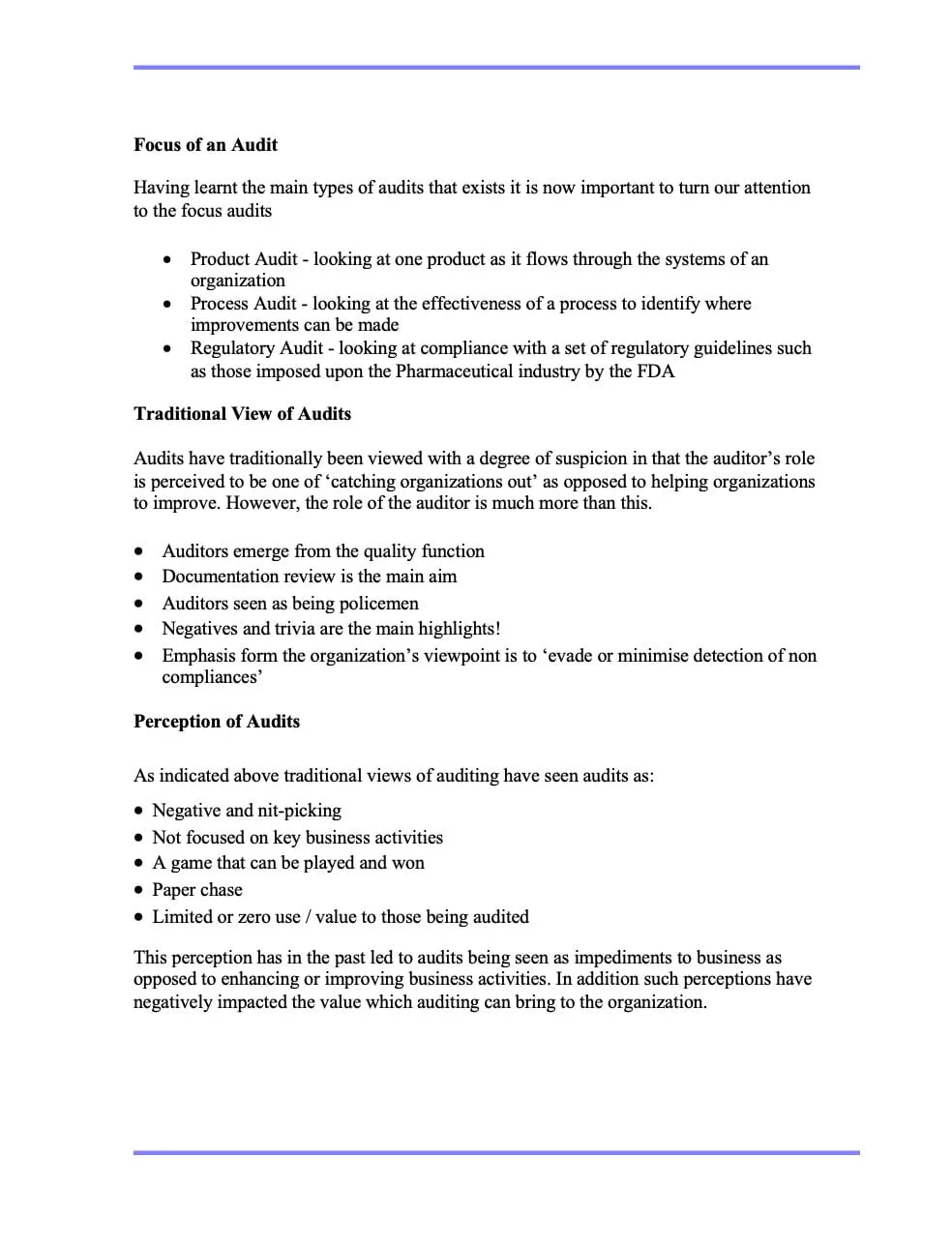
- Traditional views of an audit (e.g., criteria-based audit and audit objectives).
2. Quality audit systems
- Pre-audit activity.
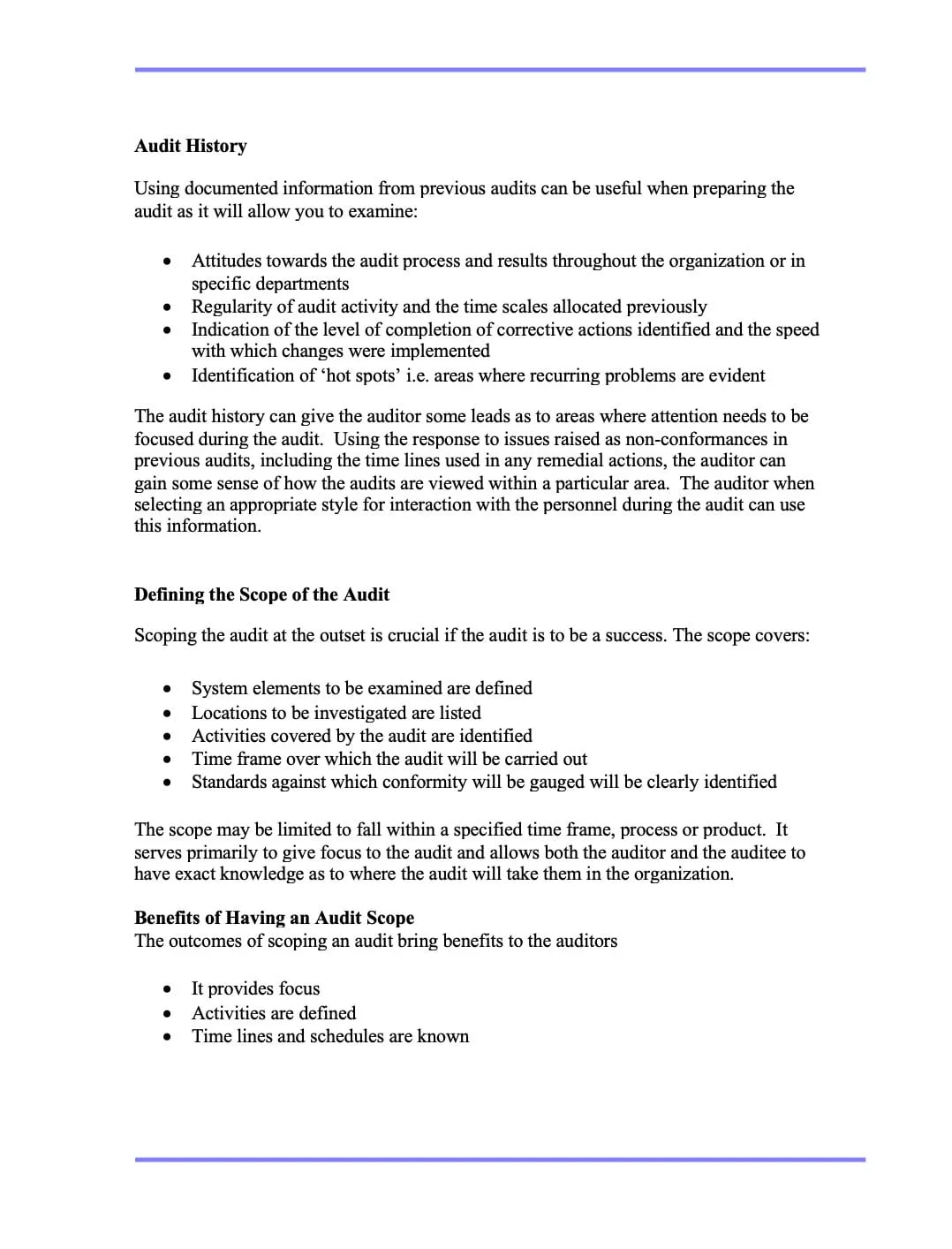
- Audit history.
- The scope of an audit.
- The benefits of reviews.
- Essential aspects of audits (e.g., the scope of the audit and process flow).
3. How to set up an audit team
- Audit team needs.
- Roles and responsibilities within an audit.
- Identifying the various challenges of working in teams.
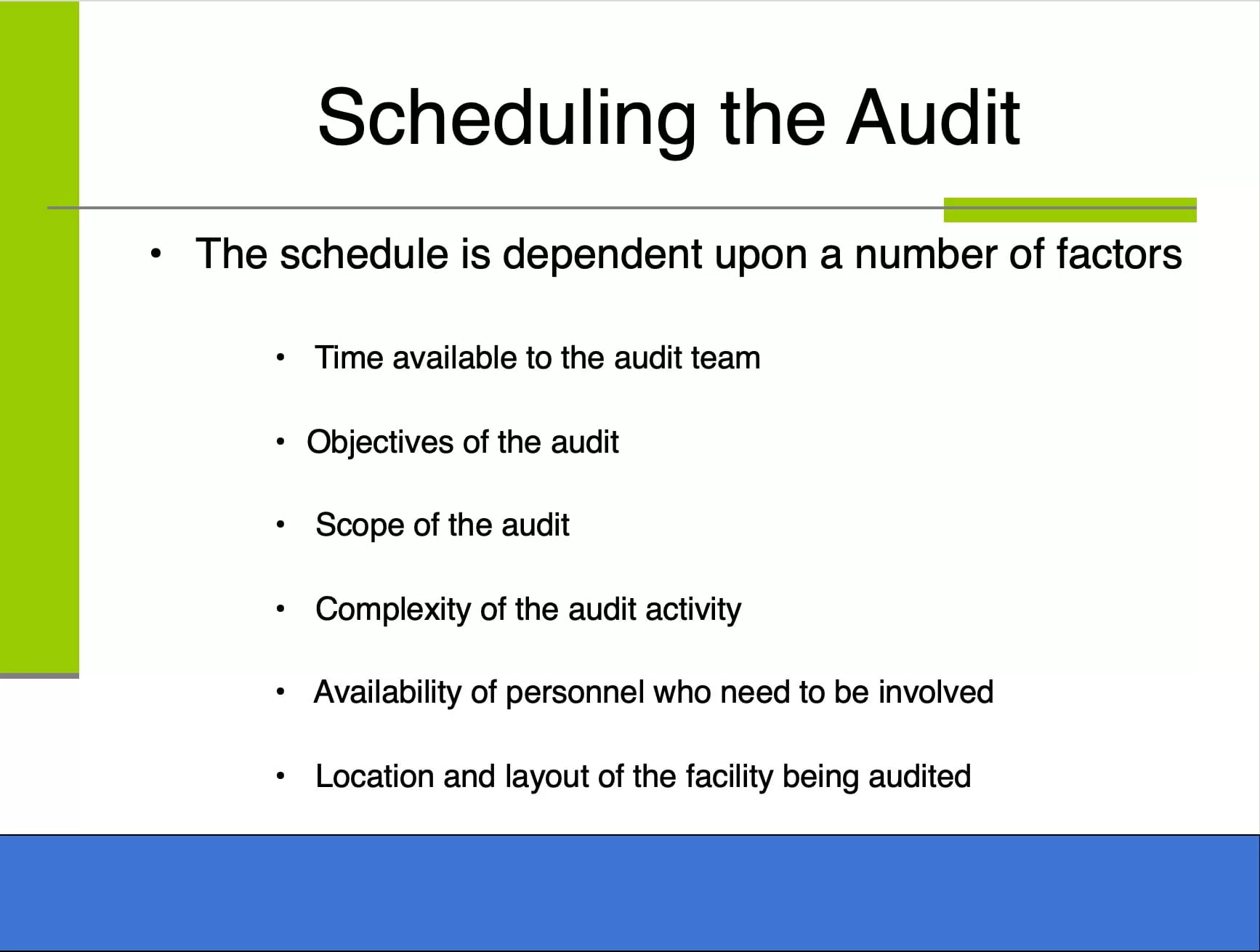
- How to guide, plan, and schedule an audit.
- Documentation and checklists.
4. Performing an audit
- Role and responsibilities of the lead auditor.
- Key meeting activities.
- Who should attend opening meetings?
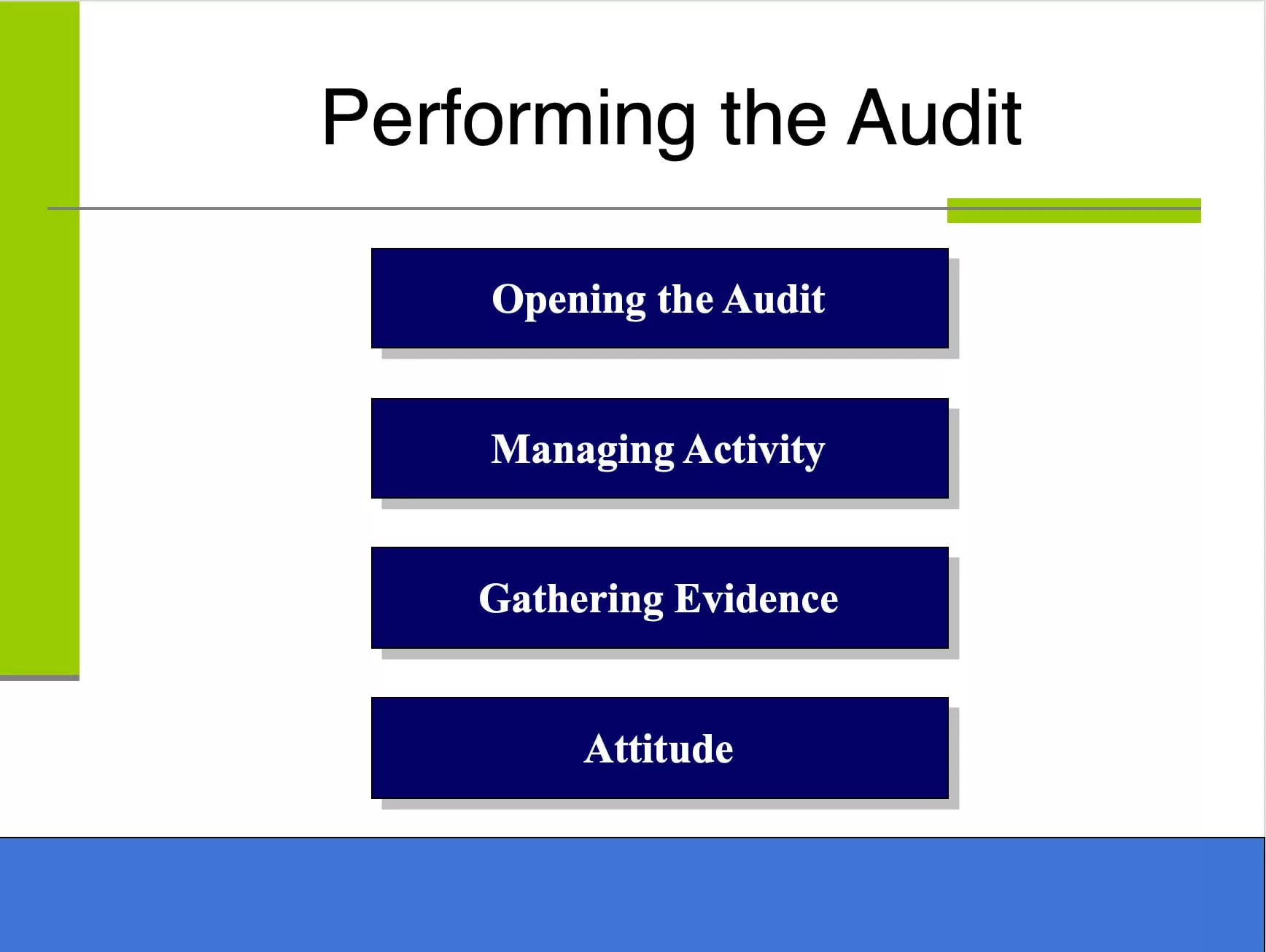
- Managing activity and gathering evidence.
- Questioning skills, observation, and note-taking skills.
- When an audit needs to be aborted.
- The critical role of audit team meetings.
5. Learning about the auditor
- Recording non-compliance.
- Scaling.
- Non-conformance reports.
6. Final steps
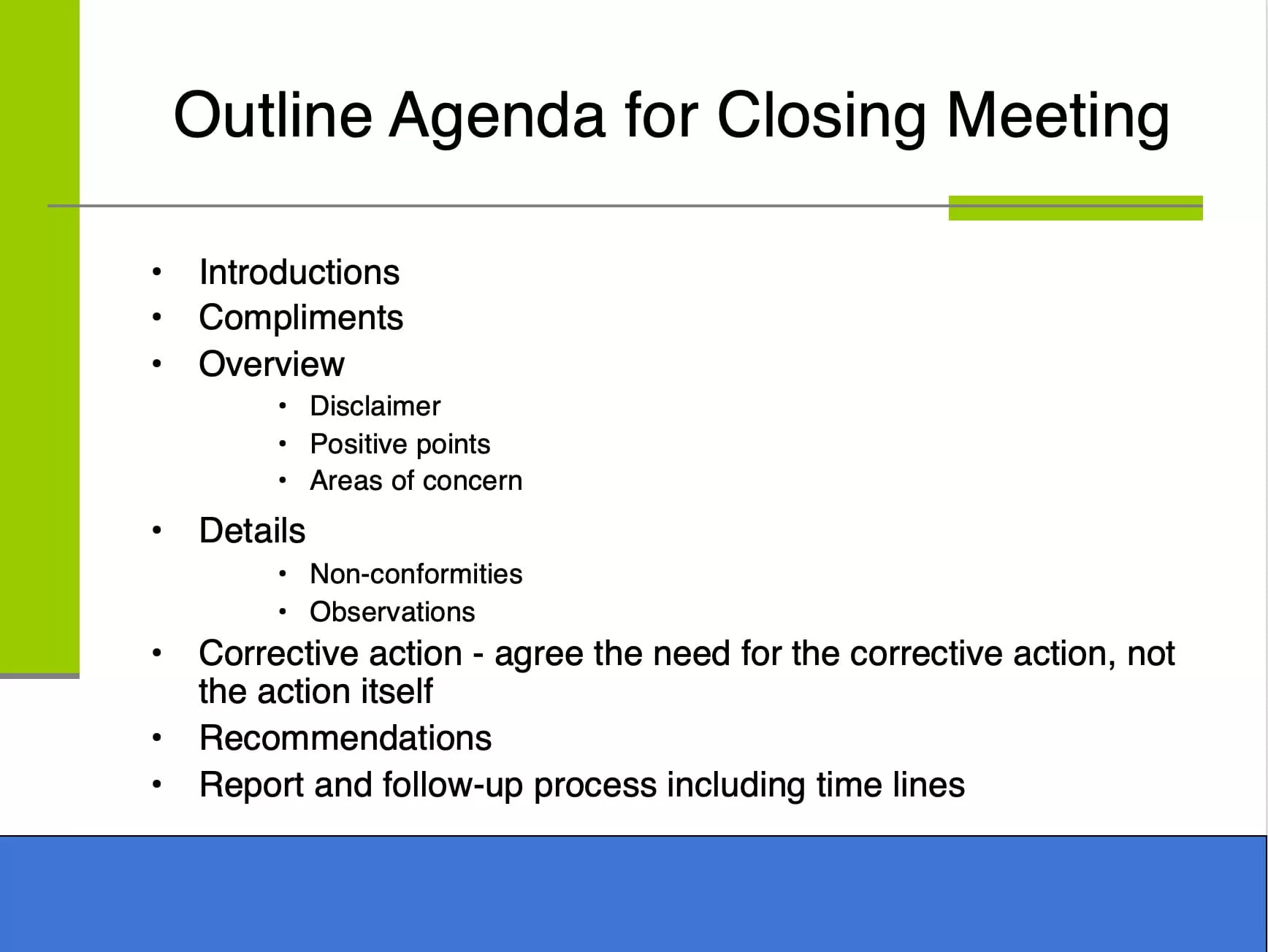
- The key reasons for closing meetings.
- How to hold a closing meeting.
- The need for follow-up.
Free Workshop Preview.
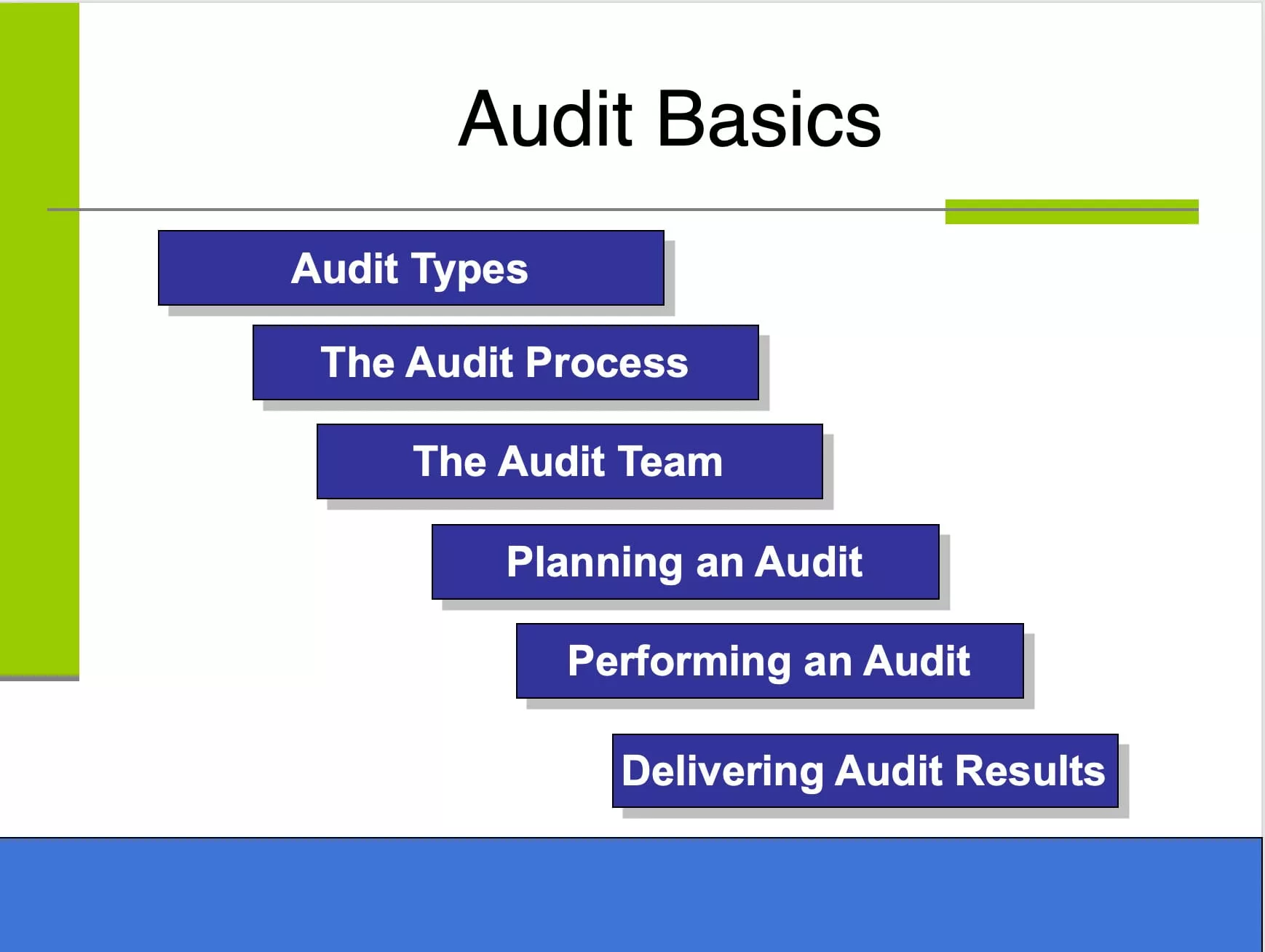
Below are sample materials from this course.
We intentionally use generic backgrounds and titles, so you can easily rebrand and customize everything as your own.
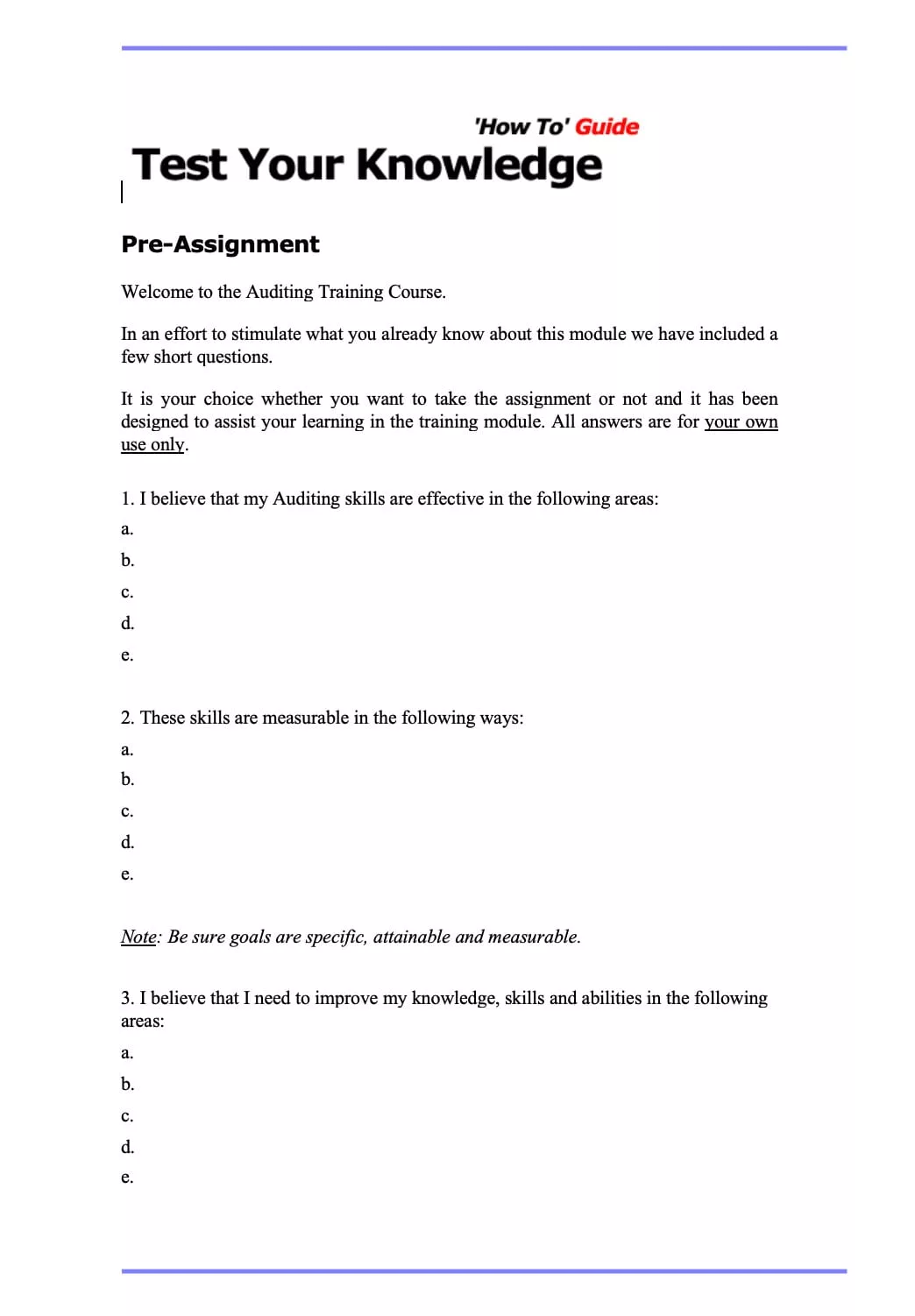
No subscriptions. No recurring fees. No attribution required.
What Trainers Say.
★★★★★ “Well-structured series relevant to today’s HR professionals. Information is well-organized and easy to understand.” – Bernard Cronin, Director of HR, Apple.
★★★★★ “The content is incredibly relevant, well-structured, and grounded in sound training principles.” – James L. Steward.
★★★★★ “Very comprehensive. The support tools provided were impressive. Notes for facilitator were simple and easy to follow.” – Tracey O’Shea, Leadership Development, Forest Laboratories.
★★★★★ “As a trainer, I appreciate the trainer background materials so I can study the details and background.” – Andrea Chisholm, Critical Success Consulting.
87 slides • 81-page guide • Participant workbook • 17 activities • Instant download • Use forever
Meet Our Customers.

































Explore More Courses.
-
Sale!

Auditor Skills: Training Package
$97.00$47.00 Add to cart -
Sale!

Business Excellence: White-Label PPT Kit
$80.00$30.00 Add to cart -
Sale!

Developing Effective Project Managers: Complete Courseware Kit
$97.00$47.00 Add to cart -
Sale!

How To Benchmark: Editable Package For Trainers
$97.00$47.00 Add to cart -
Sale!

Managing Time: Corporate Training Program Courseware
$97.00$47.00 Add to cart -
Sale!

Personal Productivity Skills: Complete Training Courseware
$97.00$47.00 Add to cart -
Sale!

Quality: A Trainer Toolkit
$97.00$47.00 Add to cart -
Sale!

Technical Report Writing Skills: Complete Courseware Kit
$97.00$47.00 Add to cart -
Sale!

The Work Organization: Trainer Slides & Mauals
$80.00$30.00 Add to cart

Meet Catherine, the passionate mind behind Oak Innovation. For more than 30 years, she’s been creating practical, engaging courses that help trainers, L&D professionals, managers, and consultants save valuable preparation time. Her goal is simple: make course creation easier, so you can spend less time preparing and more time delivering great training.