How To Teach A Course On The Work Organization Without Creating Any Content From Scratch.
Now you can teach your participants about the need to structure their work, manage competing demands and develop practical approaches that support greater efficiency and effectiveness.
For an especially practical combination, pair Work Organization Skills training with Time Management Skills and Personal Productivity Skills to cover three closely connected workplace skills.
Who Are These Work Organization Training Materials For?
These ready-to-use training course materials are used by corporate trainers, independent consultants, HR professionals, educators, and people managers.
What’s Covered In This Work Organization Training Course Material?
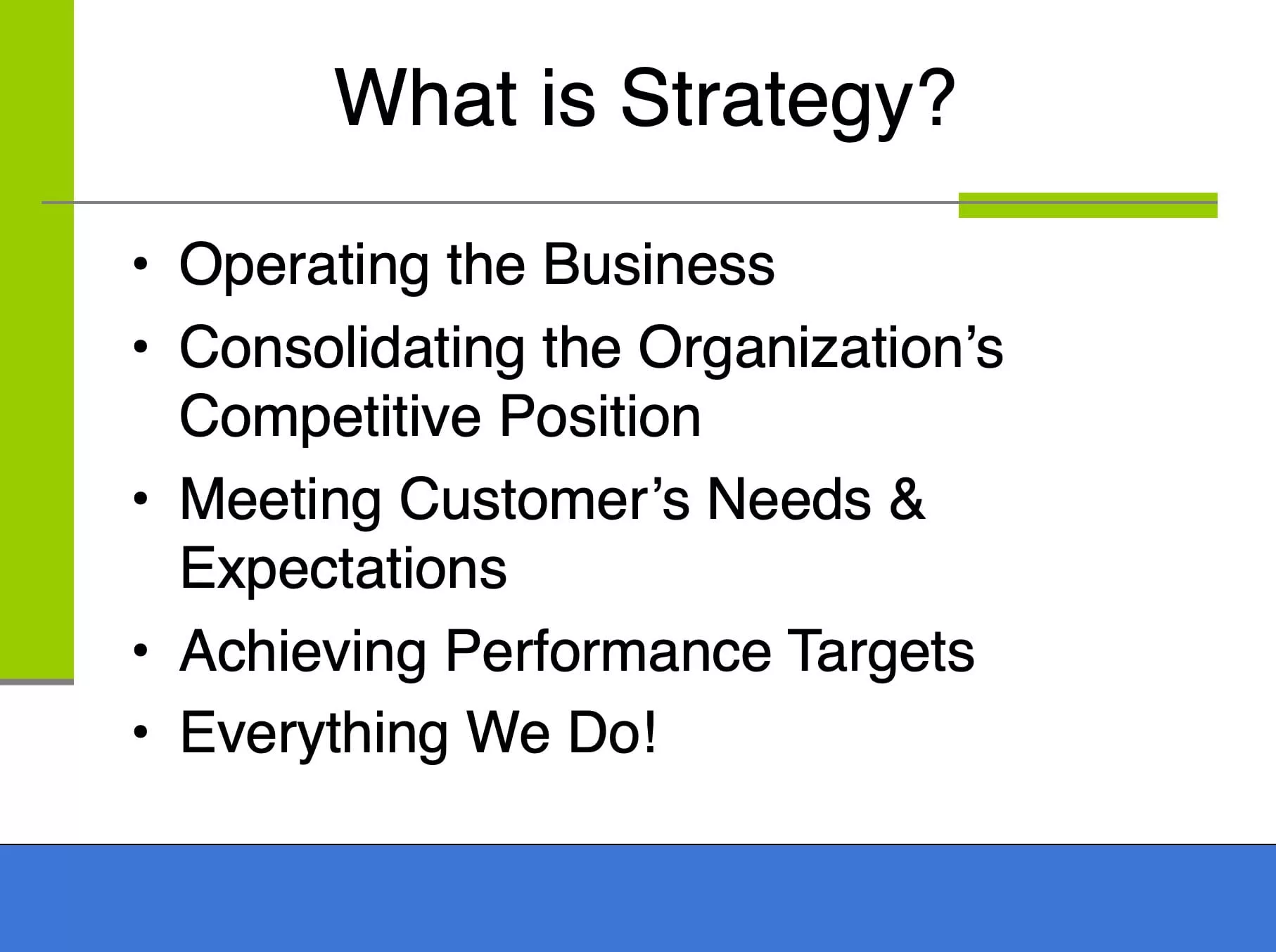
1. What is an organization?
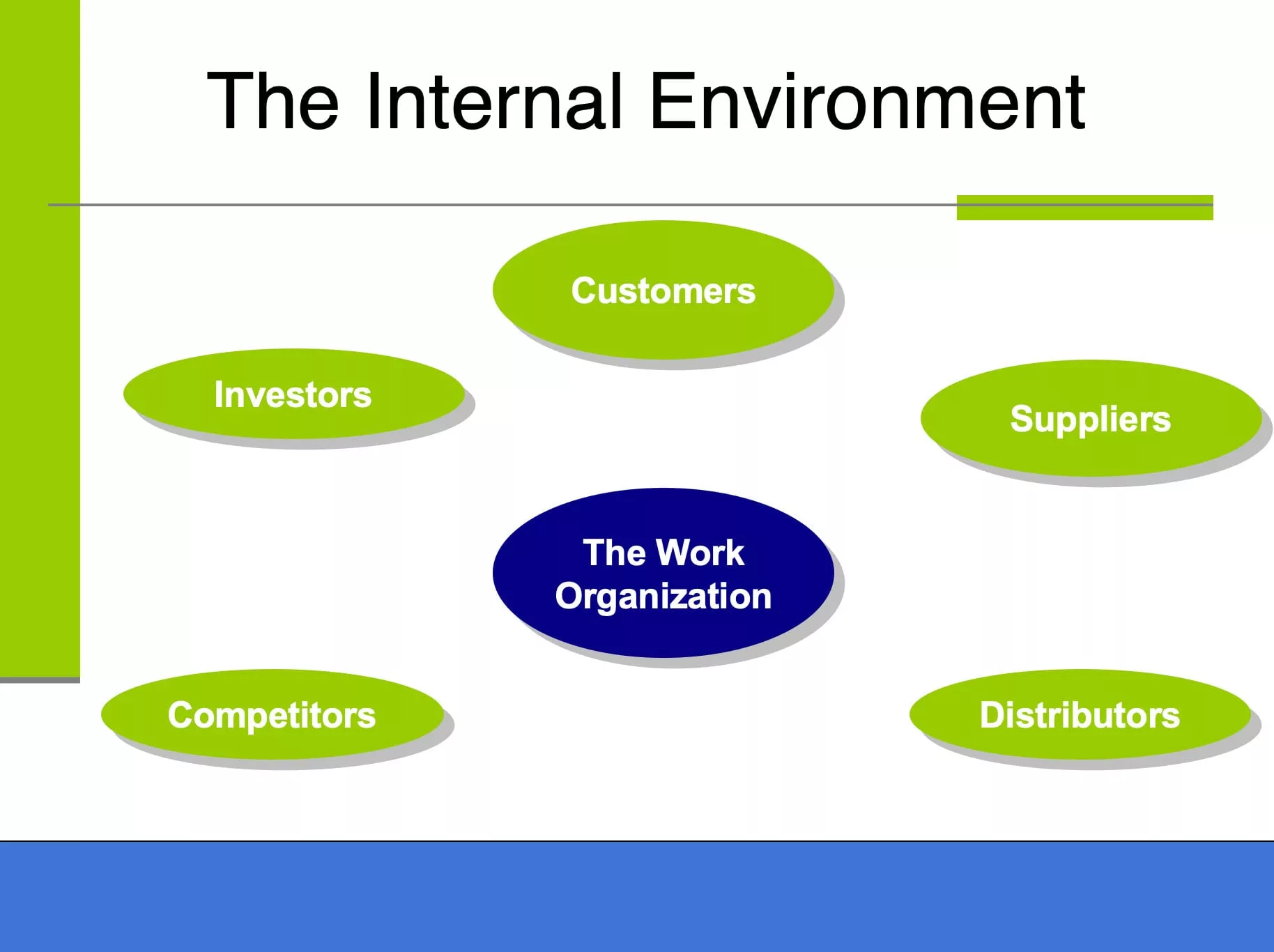
- Internal, external, and competitive environments.
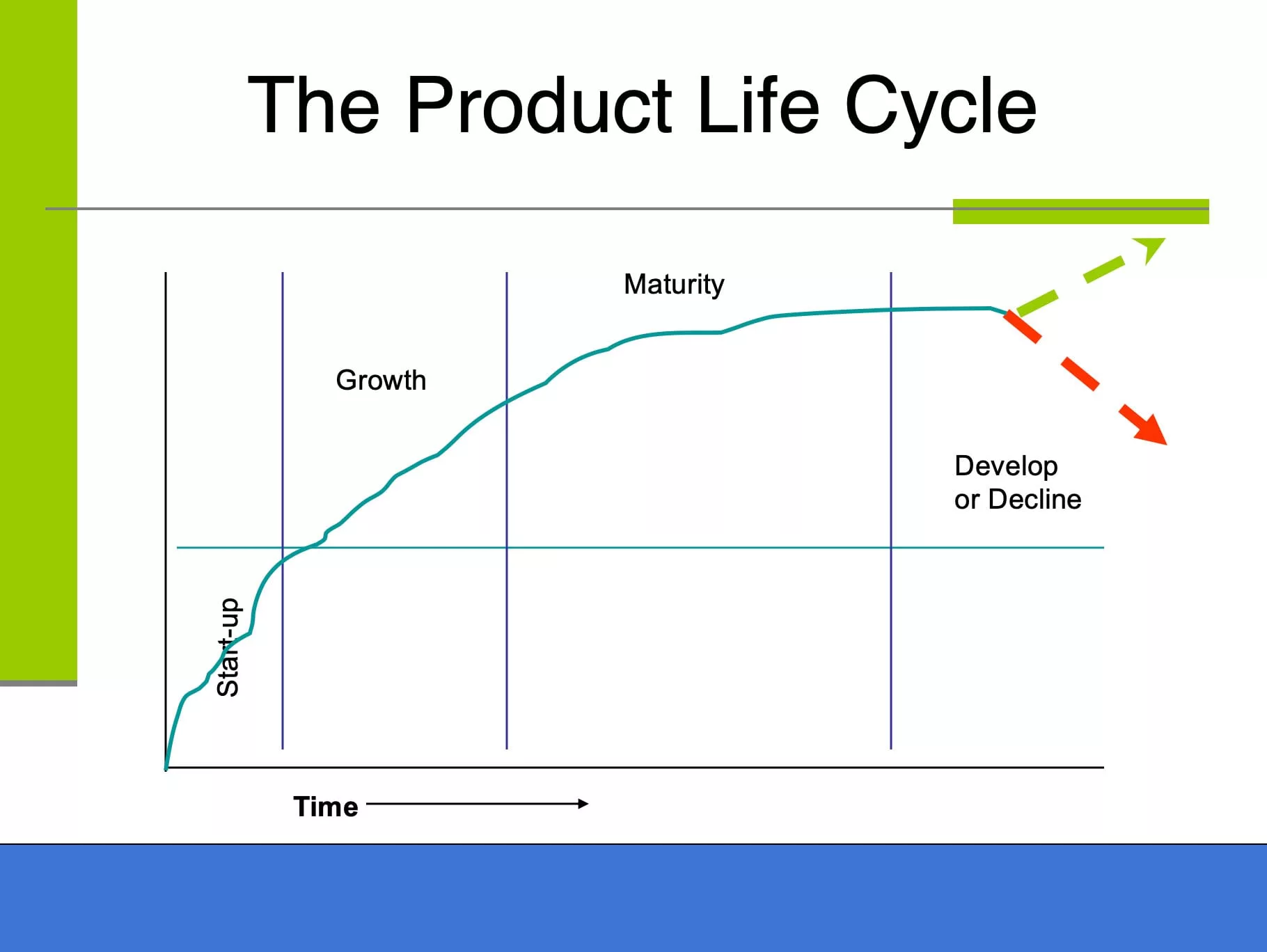
- The four stages of the product life cycle (start-up, growth, maturity, and development/decline).
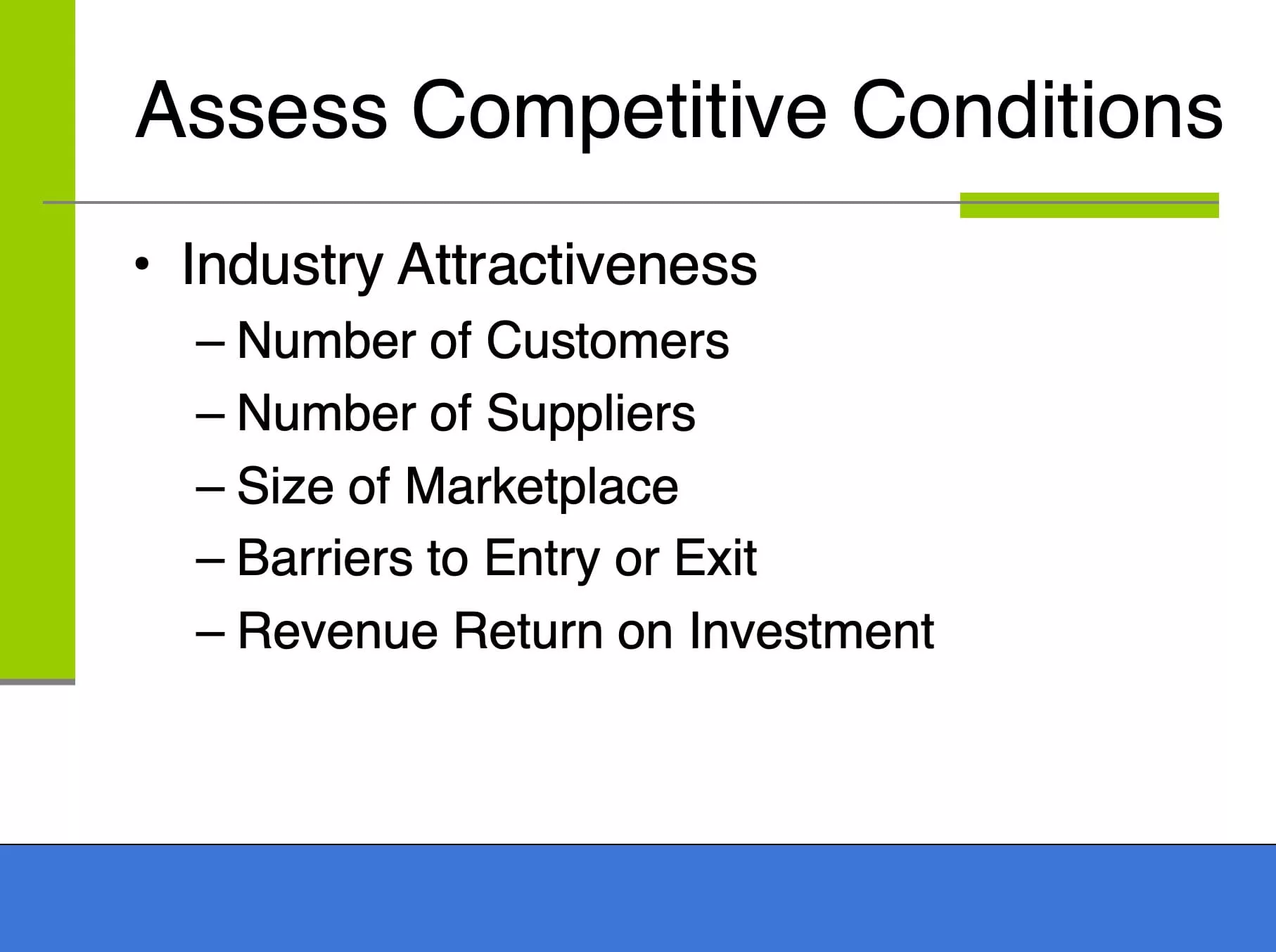
2. Competitive advantage
- The importance of competitive advantage.
- Perspectives on competitive advantage within companies.
3. The five forces of competition
- The threat of substitute products.
- Bargaining power of buyers.
- The threat of new entrants.
- Bargaining power of suppliers.
- Rivalry among competing sellers.
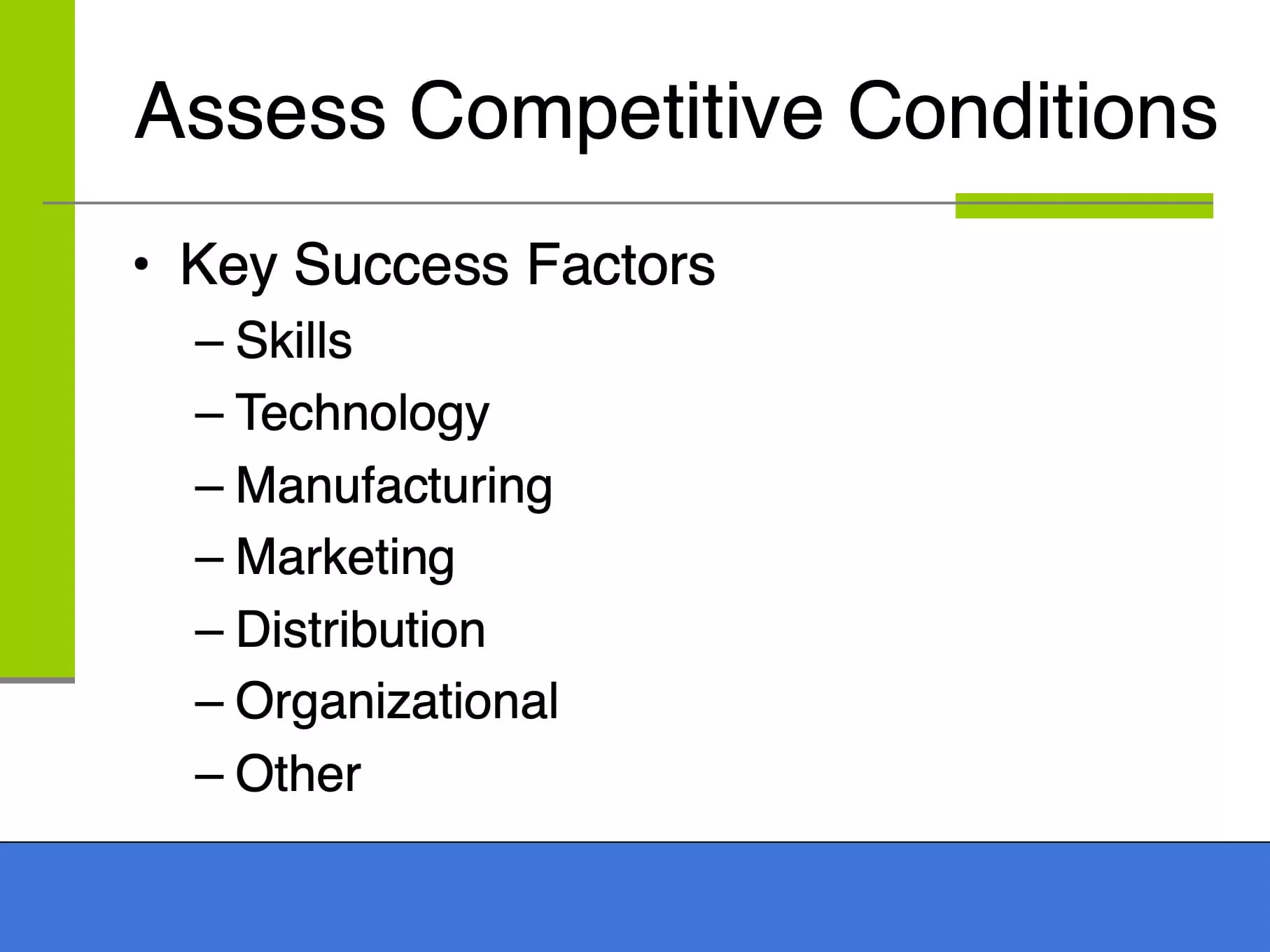
4. Key factors
- Skills, technology, manufacturing, marketing, and distribution.
5. Five generic competitive strategies
- Overall low-cost leadership.
- Broad differentiation strategy.
- Focused low-cost strategy.
- Focused differentiation strategy.
- Best cost-provider strategy.
Free Work Organization Skills Workshop Preview.
Below are sample materials from this course.
We intentionally use generic backgrounds and titles, so you can easily rebrand and customize everything as your own.
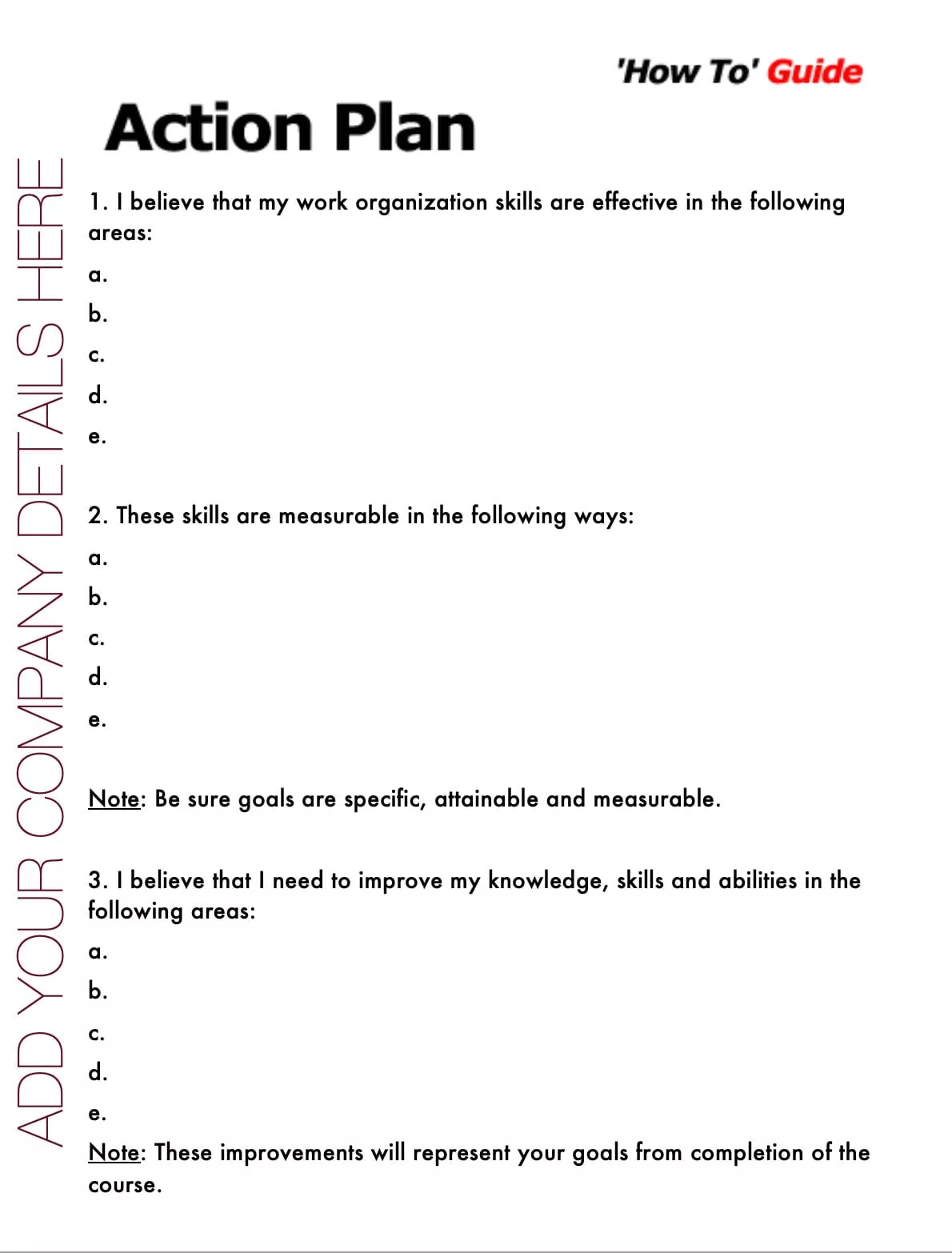
No subscriptions. No recurring fees. No attribution required.
What Trainers Actually Say.
★★★★★ “Oak creates self-contained, practical, and easy-to-use training modules… with personal service.” – Rey Carr, Peer Resources.
★★★★★ “This program is ready to go! Complete and comprehensive as I’ve ever seen.” – Dave Benak, TrainingPays.
★★★★★ “Courses are laid out so well and spark natural dialogue… Most thorough content you can find.” – Bryon Jennings.
★★★★★ “The notes for facilitator were simple and easy to follow.” – Tracey O’Shea, Forest Laboratories.
Frequently Asked Questions.
Is Work Organization about systems rather than motivation?
Yes. Effective Work Organization focuses on practical systems, habits, and processes rather than relying on motivation alone. Participants learn how to stay organized, manage priorities, and create routines that improve productivity over the long term.
Why are work organization skills important?
Strong work organization skills help people manage competing priorities, reduce stress, and use their time more effectively. Well-organized employees are better able to meet deadlines, maintain focus, and respond to changing workplace demands.
How can Work Organization reduce daily re-planning?
Work Organization provides practical tools for prioritizing tasks, planning workloads, and managing competing demands. Clear systems reduce the need to constantly change priorities, helping people stay focused on their most important work.
What should a complete Work Organization training program include?
A comprehensive Work Organization course should include presentation slides, an instructor guide, participant workbook, and practical activities. Quality materials also provide facilitator guidance, planning tools, discussion exercises, and action planning resources that support workplace application.
Who should attend Work Organization training?
Work Organization training is suitable for employees, supervisors, managers, leaders, and anyone looking to improve productivity and personal effectiveness. The principles apply across industries and are valuable for both individual contributors and people with leadership responsibilities.
Can Work Organization training be reused across different teams?
Yes. Editable training materials can be delivered repeatedly across different teams, departments, and organizations. Facilitators can easily adapt examples and workplace scenarios to suit different roles and business environments.
What should an instructor guide for Work Organization training include?
A comprehensive instructor guide should provide step-by-step facilitation notes, timing guidance, discussion prompts, and activity instructions. This helps trainers deliver engaging workshops while maintaining a consistent learning experience.
How quickly can you prepare and deliver Work Organization training?
Most facilitators customize professional training materials in 30 to 60 minutes and deliver the workshop the same week. Preparation typically involves adding branding, reviewing facilitator notes, selecting activities, and tailoring examples to the audience.
Can you teach Work Organization without previous facilitation experience?
Yes. A comprehensive instructor guide provides clear step-by-step instructions, facilitator notes, and discussion guidance throughout the course. Even first-time trainers can confidently deliver practical Work Organization workshops using professionally developed training materials.
66 slides • 49-page guide • 43-page workbook • 17 activities • Instant download • Use forever
Organizations That Have Downloaded Oak Innovation Training Materials.






































Explore More Productivity Training Materials.
Build out your productivity development program with editable courses covering specialist productivity skills.
-
Sale!

Auditor Skills
$80.00$40.00 Add to cart -
Sale!

Benchmarking Skills
$80.00$40.00 Add to cart -
Sale!

Personal Productivity Skills
$80.00$40.00 Add to cart -
Sale!

Project Managent Skills
$80.00$40.00 Add to cart -
Sale!

Quality Management Skills
$80.00$40.00 Add to cart -
Sale!

Technical Report Writing Skills
$80.00$40.00 Add to cart -
Sale!

The Excellent Organization
$80.00$40.00 Add to cart -
Sale!

The Work Organization
$80.00$40.00 Add to cart -
Sale!

Time Management Skills
$80.00$40.00 Add to cart

Meet Catherine, the passionate mind behind Oak Innovation. For more than 30 years, she’s been creating practical, engaging courses that help trainers, L&D professionals, managers, and consultants save valuable preparation time. Her goal is simple: make course creation easier, so you can spend less time preparing and more time delivering great training.