How To Teach A Course On Business Without Creating Any Content From Scratch.
Now you can teach practical teamwork skills that strengthen communication, cooperation, shared responsibility and performance across teams.
Take team development further with Group Dynamics and Interpersonal Skills, two useful companion topics for understanding how effective teams work.
Meet Our Customers.







































Who Are These Training Materials For?
These ready-to-use training course materials are used by corporate trainers, independent consultants, HR professionals, educators, and people managers.
What’s Covered In This Training Course Material?
1. Team working
- The difference between working within a group and teamwork.
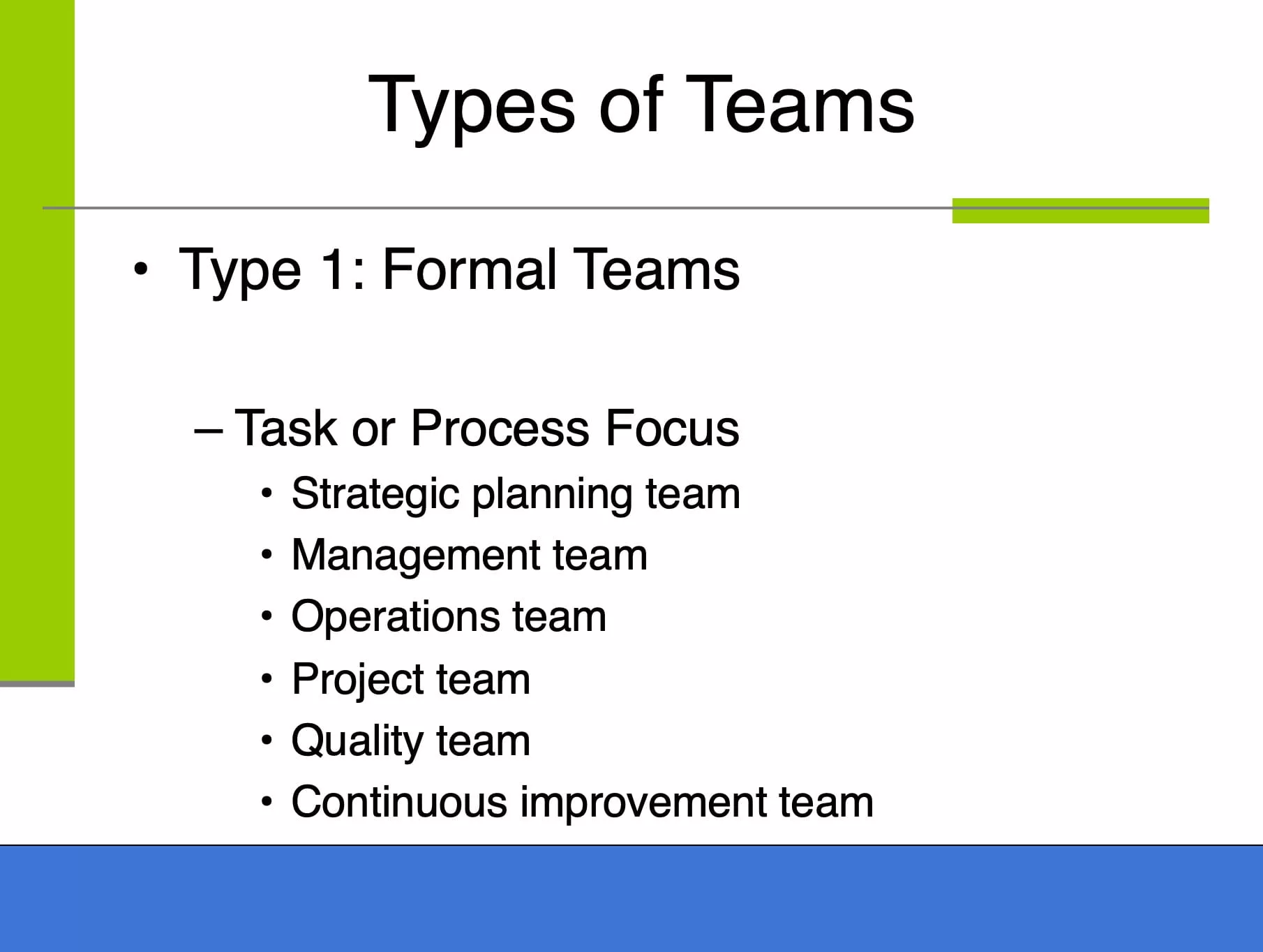
- Various types of team structures and teamwork.
- The differences within these structures.
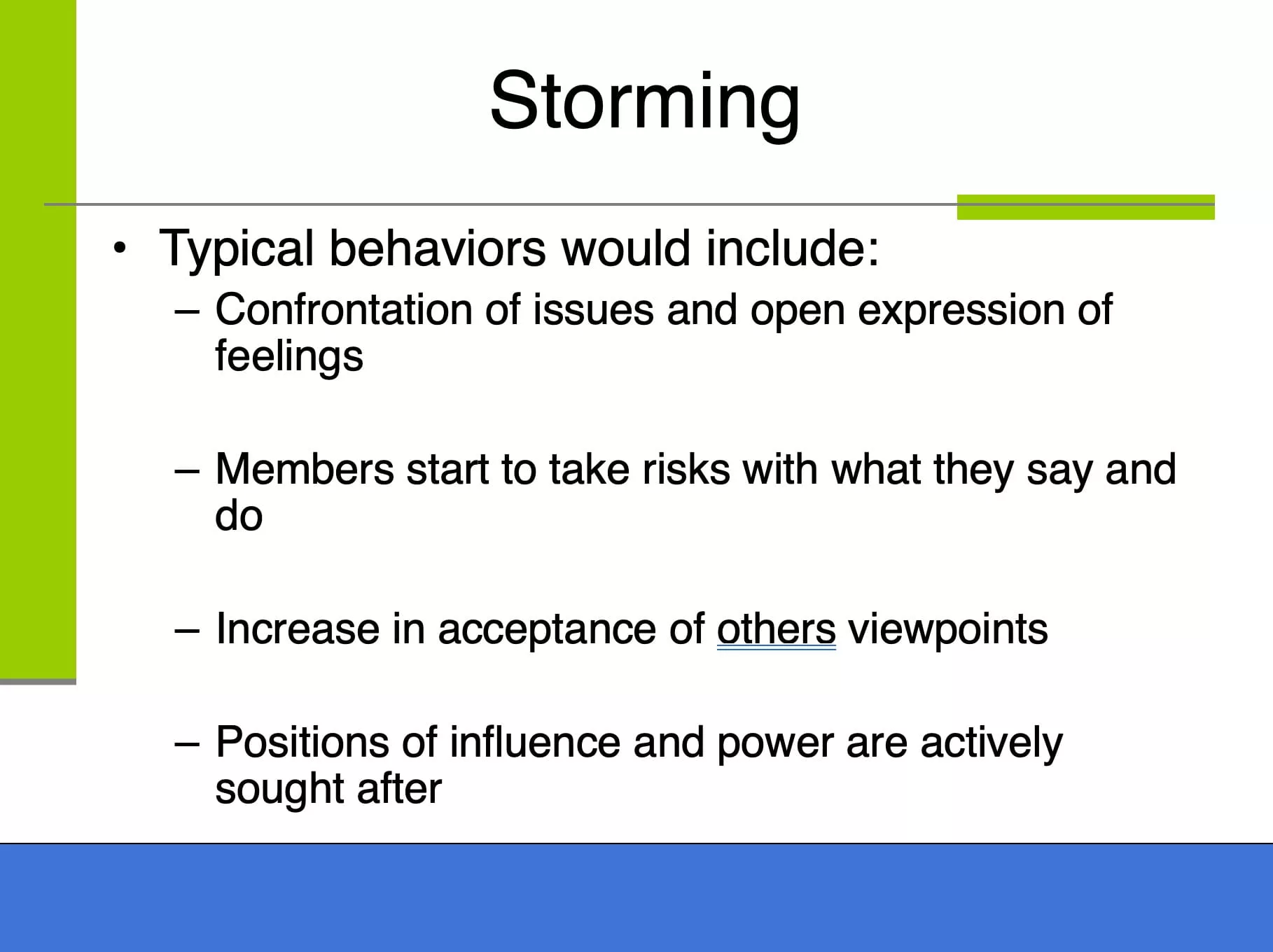
- The stages of team formation (e.g., a crucial part of understanding group dynamics).
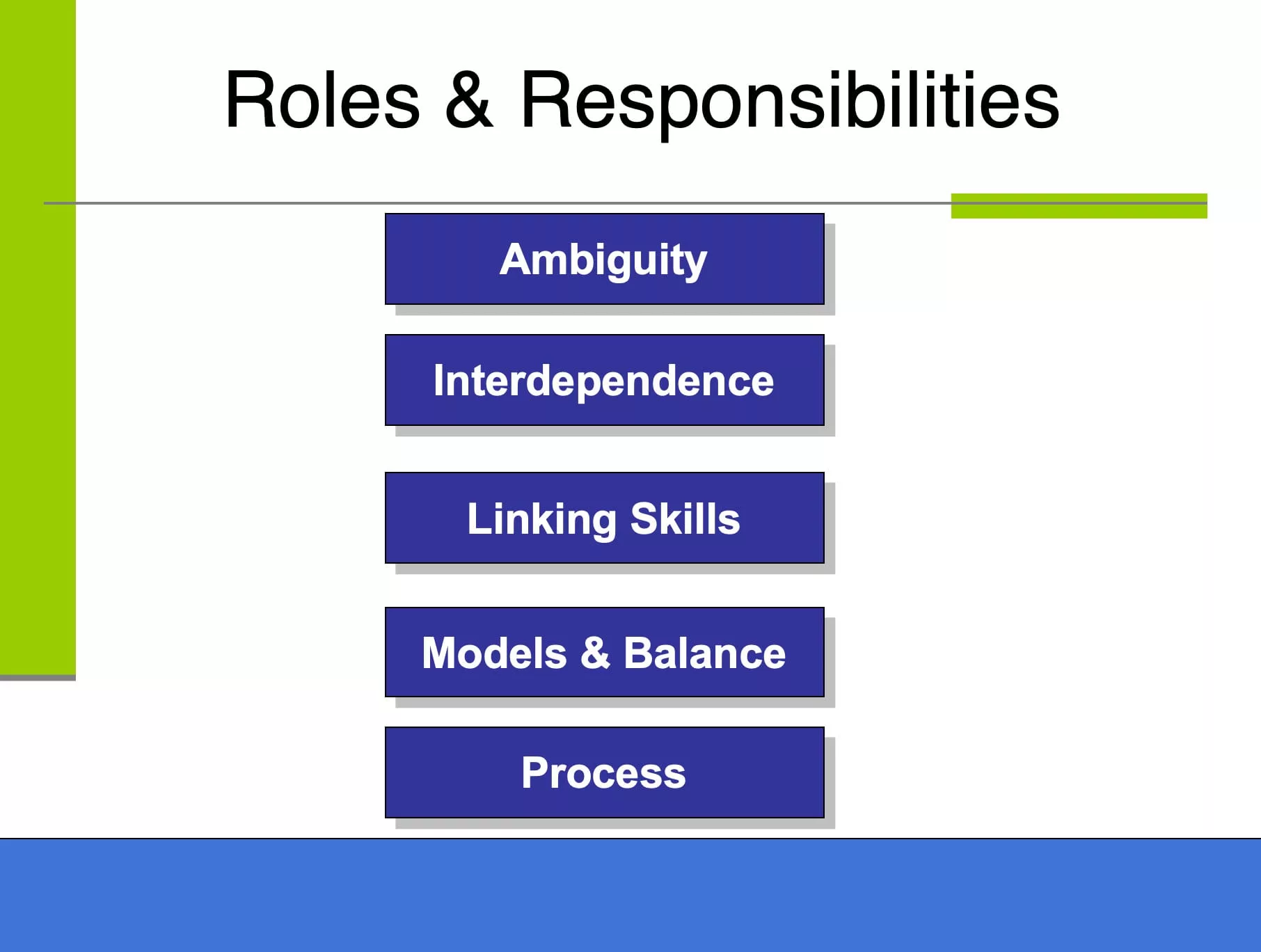
- Roles and responsibilities.
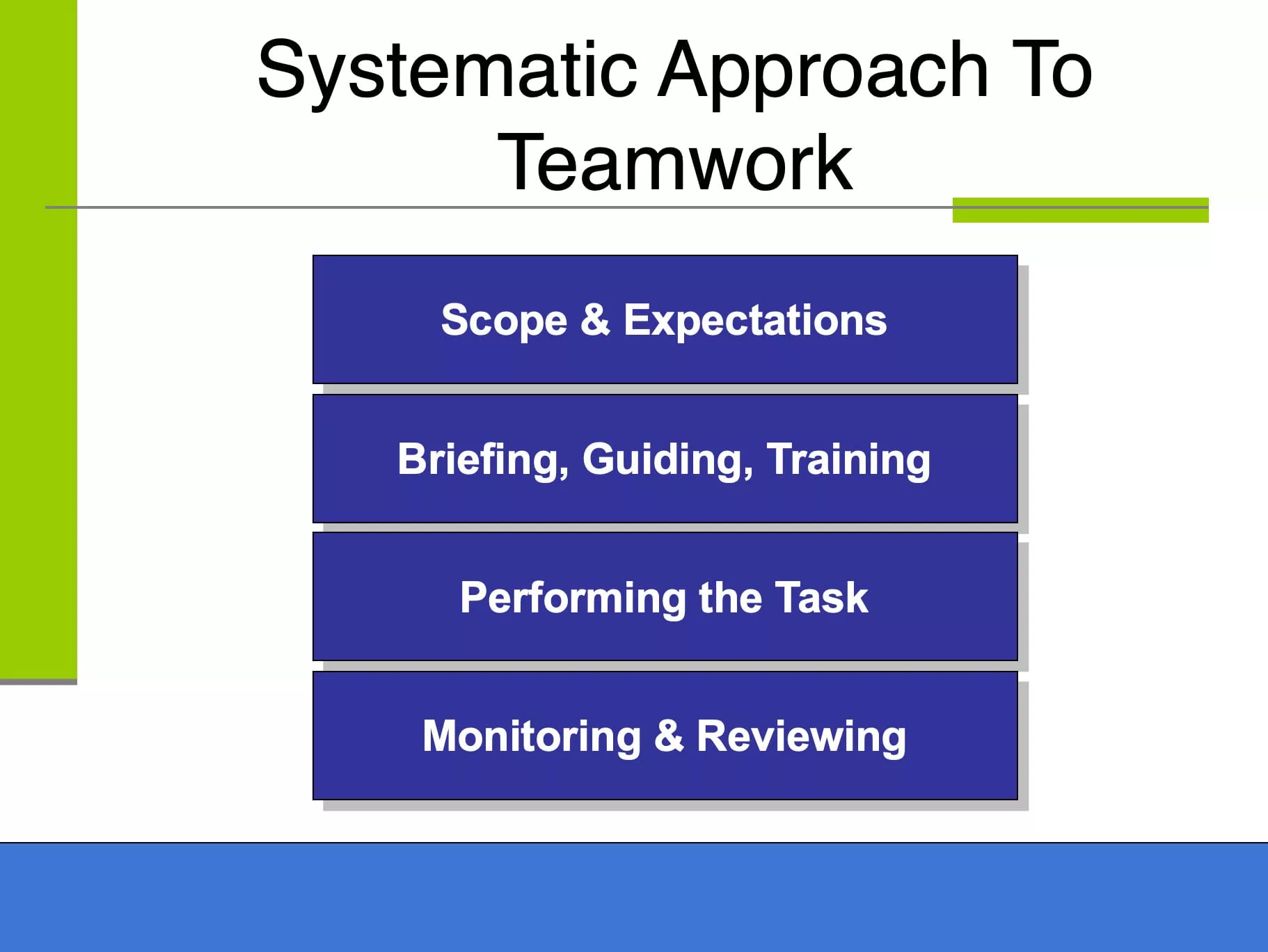
- Team-building skills and work structures.
- The impact of ambiguity and interdependence.
2. Models of team working
- Aspects prohibiting successful teamwork skills.
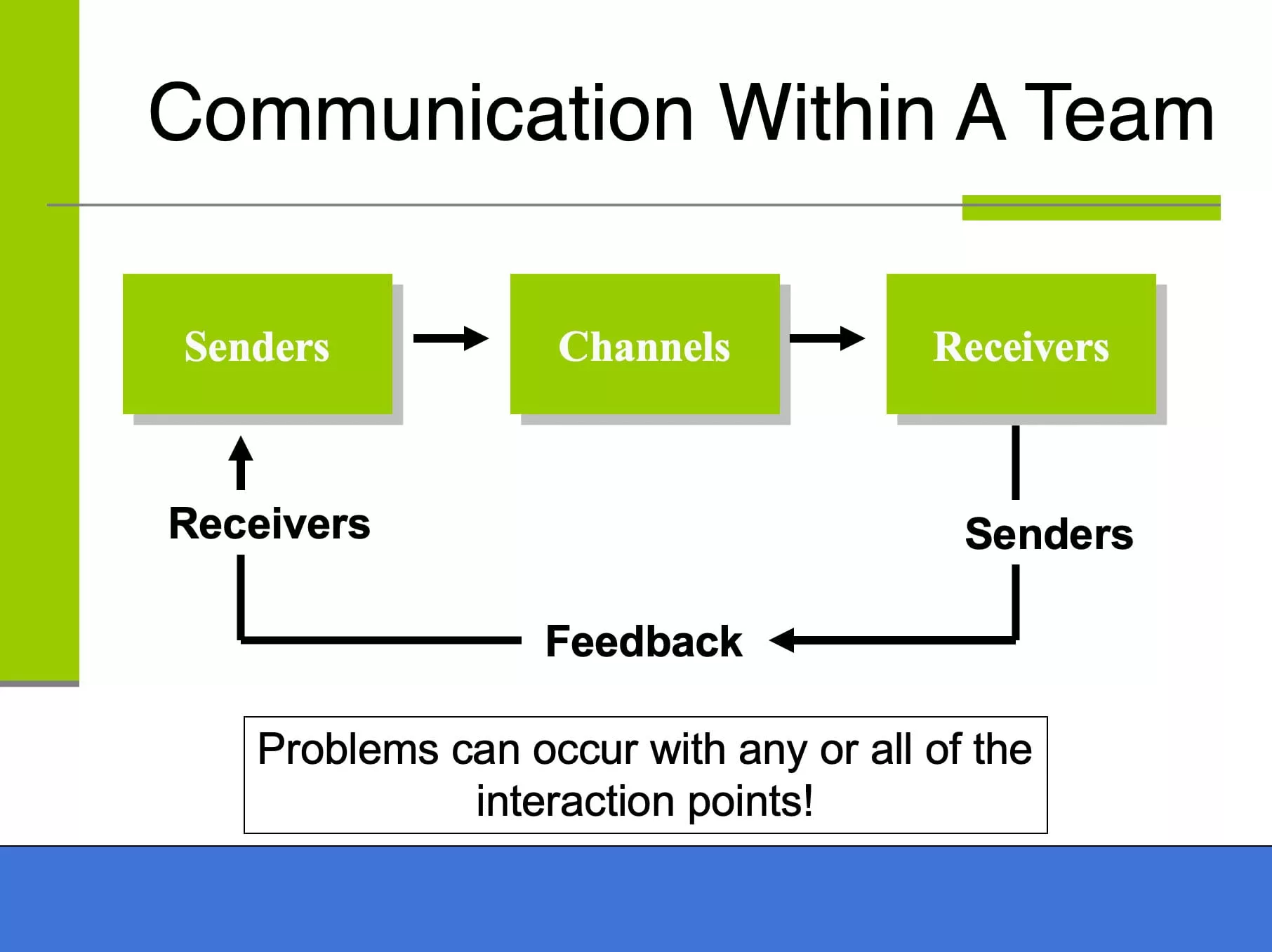
- Team balance and autonomy, levels of communication, and media available.
3. High-performance teams
- How to maintain a high-performance team.
- How to overcome low performance.
- Team factors (e.g., motivation, diversity, and leadership).
4. Managing expectations
- Conflict management skills.
- How to lead a high-performance team.
Free Workshop Preview.
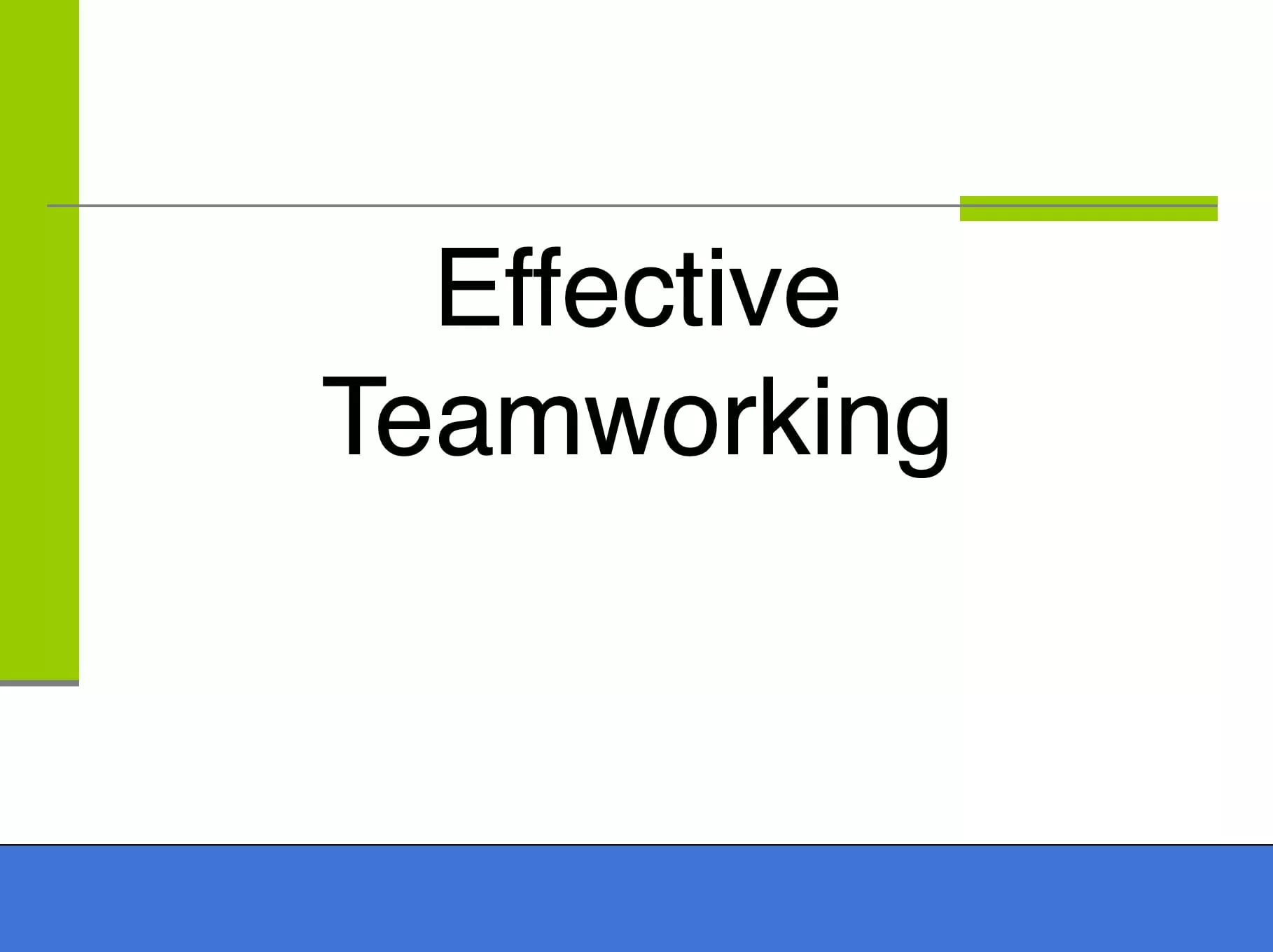
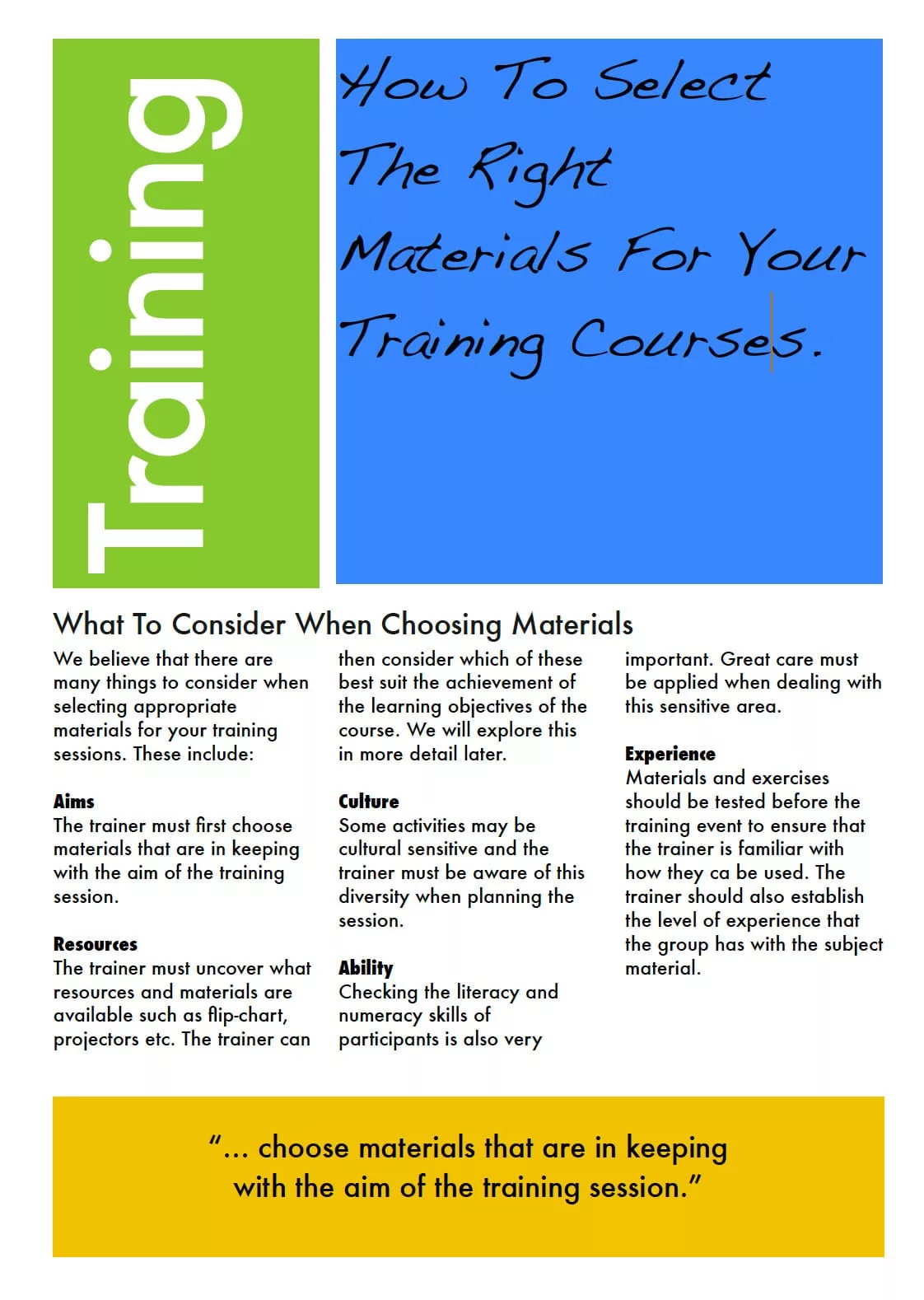
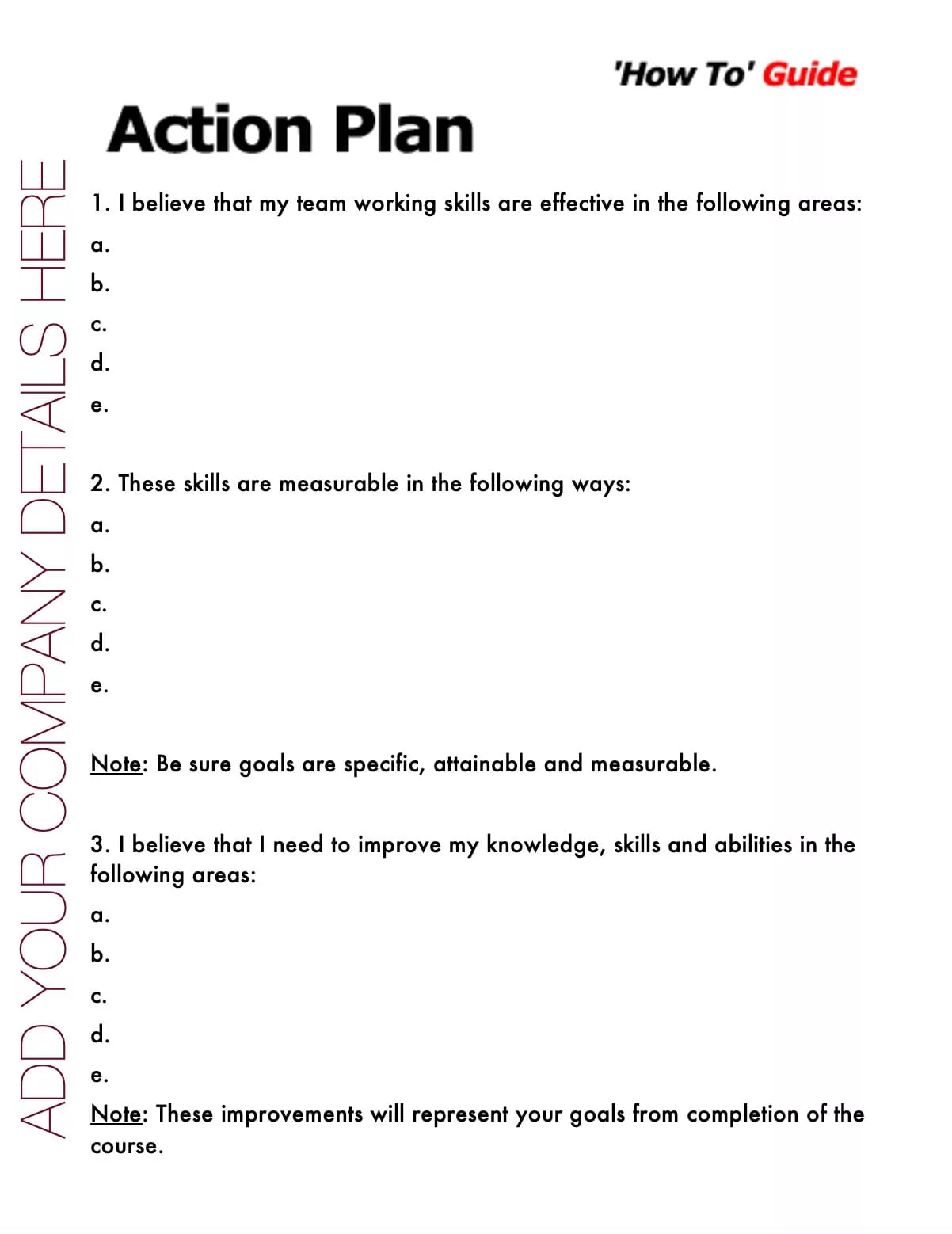
Below are sample materials from this course.
We intentionally use generic backgrounds and titles, so you can easily rebrand and customize everything as your own.
No subscriptions. No recurring fees. No attribution required.
What Trainers Say.
★★★★★ “Well-structured series relevant to today’s HR professionals. Information is well-organized and easy to understand.” – Bernard Cronin, Director of HR, Apple.
★★★★★ “The content is incredibly relevant, well-structured, and grounded in sound training principles.” – James L. Steward.y
★★★★★ “Very comprehensive. Support tools provided were impressive. Notes for facilitator were simple and easy to follow.” – Tracey O’Shea, Leadership Development, Forest Laboratories.
★★★★★ “As a trainer, I appreciate the trainer background materials so I can study the details and background.” – Andrea Chisholm, Critical Success Consulting.
89 slides • 61-page guide • 54-page workbook • 17 activities • Instant download • Use forever
Meet Our Customers.


























Explore More Leadership Training Materials.
-

Change Leadership Skills: 100% Editable Trainer Package
$97.00 - Full Toolkit Add to cart -

Coaching And Mentoring Skills: Courseware Pack
$97.00 - Full Toolkit Add to cart -

Corporate Behavior Skills: Toolkit For Senior Trainers
$97.00 - Full Toolkit Add to cart -

Corporate Culture Skills: Workbooks, Icebreakers & Activities
$97.00 - Full Toolkit Add to cart -

Delegation In Leadership: Trainer Toolkit
$97.00 - Full Toolkit Add to cart -

Group Dynamics: Curriculum For Corporate Training
$97.00 - Full Toolkit Add to cart -

Issues In The Workplace: Courseware With Trainer Guides & Slides
$97.00 - Full Toolkit Add to cart -

Leadership Influence Skills: Courseware For Trainers & Managers
$97.00 - Full Toolkit Add to cart -

Leadership Skills: Training Courseware Package
$97.00 - Full Toolkit Add to cart -
![Managing Change Course [Step By Step Trainer Kit]](https://www.oakinnovation.com/wp-content/uploads/2022/07/christina-wocintechchat-com-Q8IgAlmHAUA-unsplash-scaled-jpg-570x431.webp)
Managing Change Course [Step By Step Trainer Kit]
$97.00 - Full Toolkit Add to cart -

Managing Stress Skills: Ready-To-Deliver Trainer Kit
$97.00 - Full Toolkit Add to cart -

Meeting Skills: Courseware For Entry-Level Staff
$97.00 - Full Toolkit Add to cart

Meet Catherine, the passionate mind behind Oak Innovation. For more than 30 years, she’s been creating practical, engaging courses that help trainers, L&D professionals, managers, and consultants save valuable preparation time. Her goal is simple: make course creation easier, so you can spend less time preparing and more time delivering great training.