H
The Work Organization.
Creating a work organization workshop involves structuring workplace planning concepts, developing slides, writing facilitator guidance and preparing practical organization activities.
Oak Innovation’s editable work organization materials provide the course starting point, giving you more time to adapt the exercises to the ways your participants plan and organize their work.
Download the complete package, tailor the content to your audience and deliver work organization training using your own branding.
For an especially practical combination, pair Work Organization Skills training with Time Management Skills and Personal Productivity Skills to cover three closely connected workplace skills.
Meet Our Customers.





































Who Are These Training Materials For?
These ready-to-use training course materials are used by corporate trainers, independent consultants, HR professionals, educators, and people managers.
Learning Objectives.
By the end of the course, your participants will:
- Understand the dynamics of internal and external organizational environments.
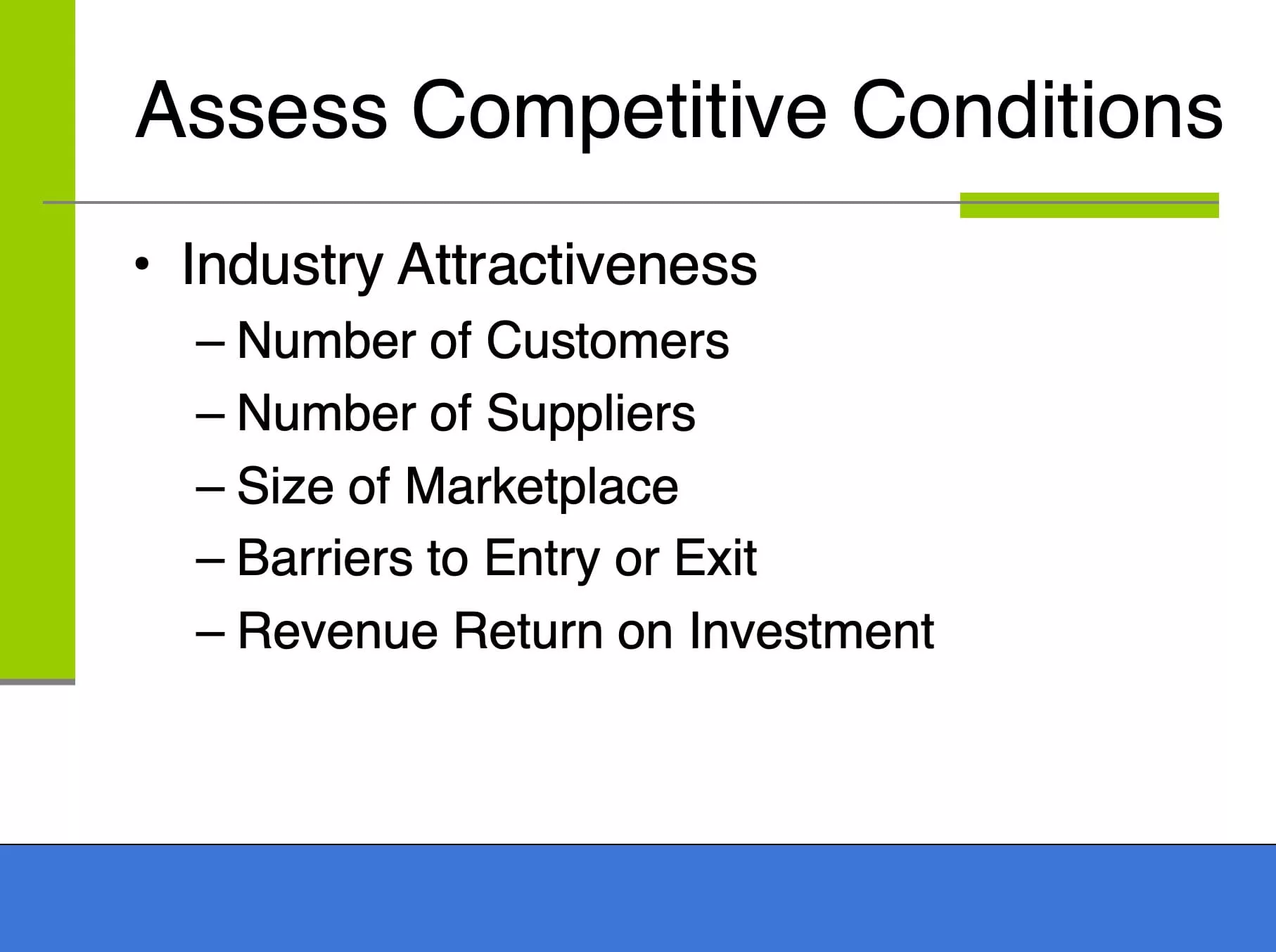
- Analyze competitive forces and their impact on organizational strategy.
- Apply the product life cycle concept to organizational planning.
- Identify and leverage sources of competitive advantage.
- Utilize strategic models to inform decision-making and organizational design.
What’s Covered.
1. What is an organization?
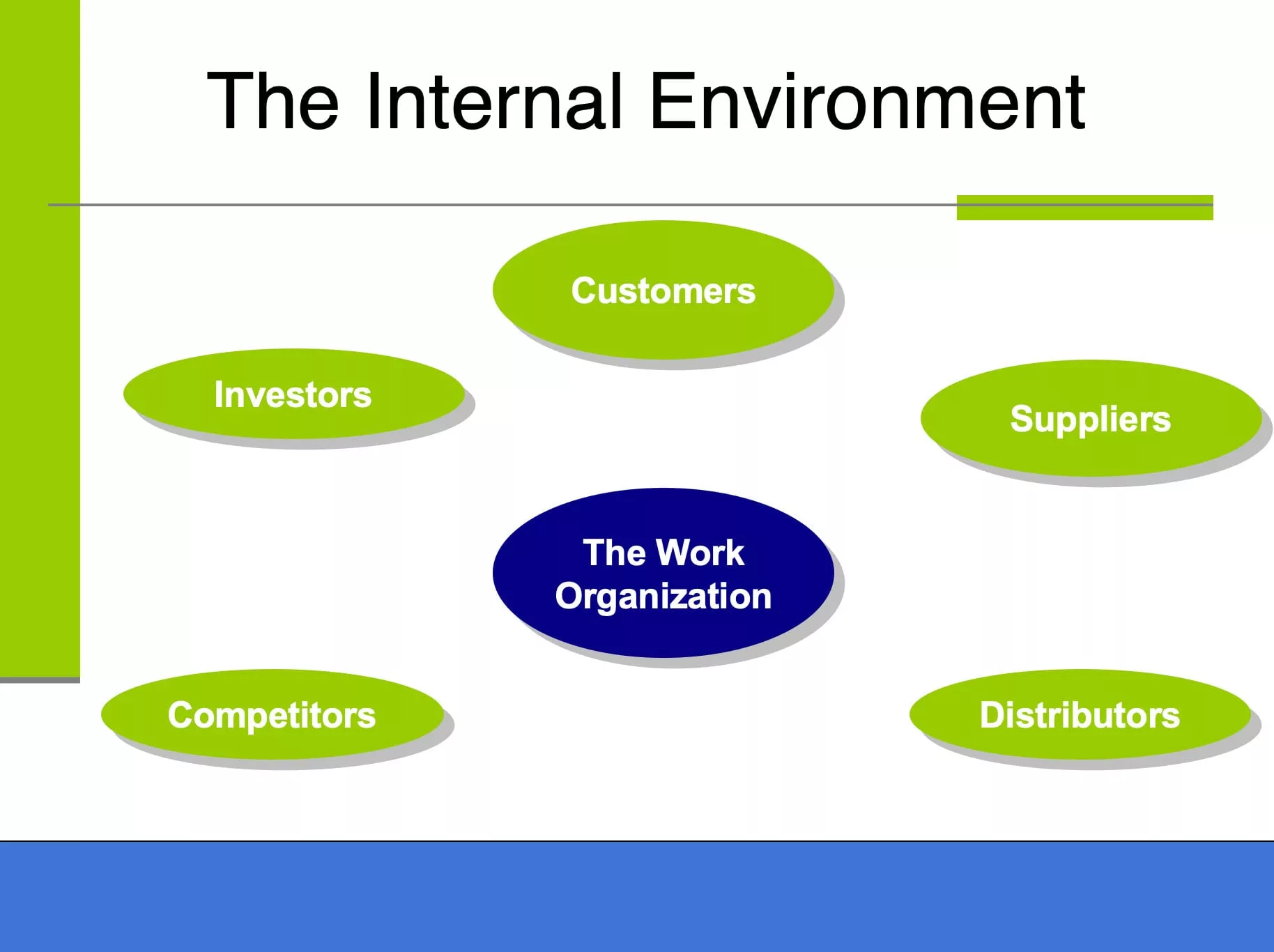
- Internal, external, and competitive environments.
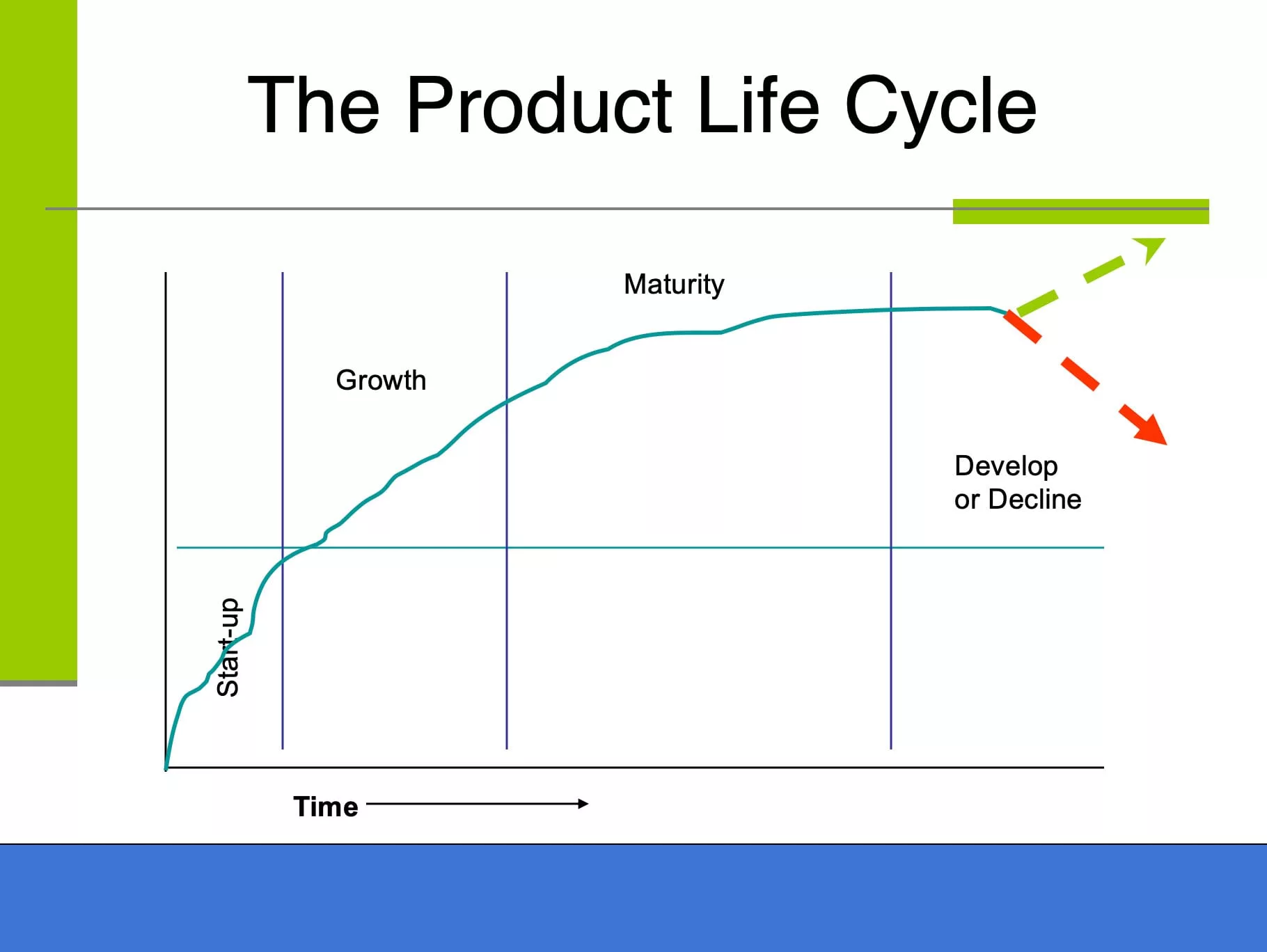
- The four stages of the product life cycle (start-up, growth, maturity, and development/decline).
2. Competitive advantage
- The importance of competitive advantage.
- Perspectives on competitive advantage within companies.
3. The five forces of competition
- The threat of substitute products.
- Bargaining power of buyers.
- The threat of new entrants.
- Bargaining power of suppliers.
- Rivalry among competing sellers.
4. Key factors
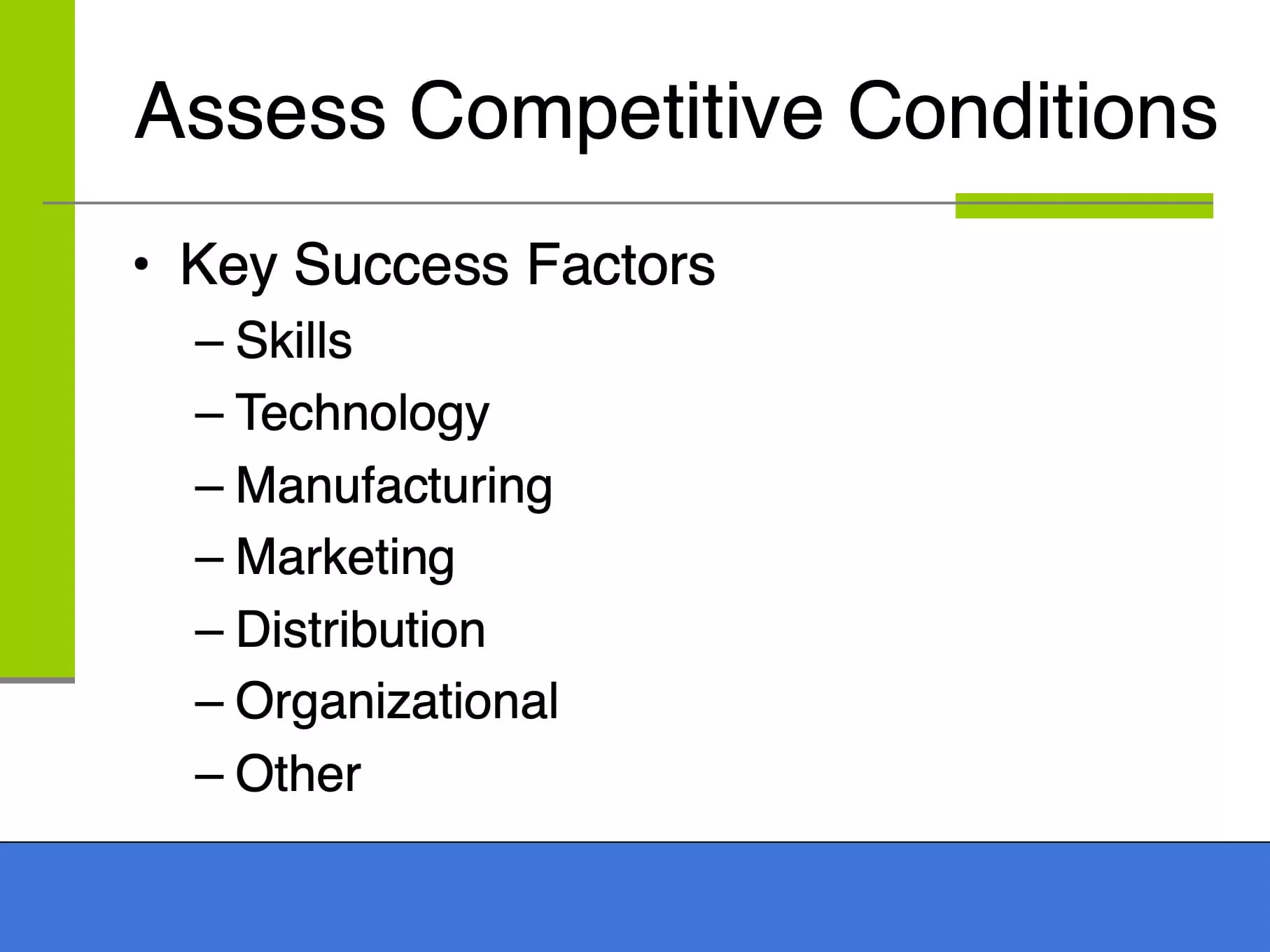
- Skills, technology, manufacturing, marketing, and distribution.
5. Five generic competitive strategies
- Overall low-cost leadership.
- Broad differentiation strategy.
- Focused low-cost strategy.
- Focused differentiation strategy.
- Best cost-provider strategy.
Free Course Preview.
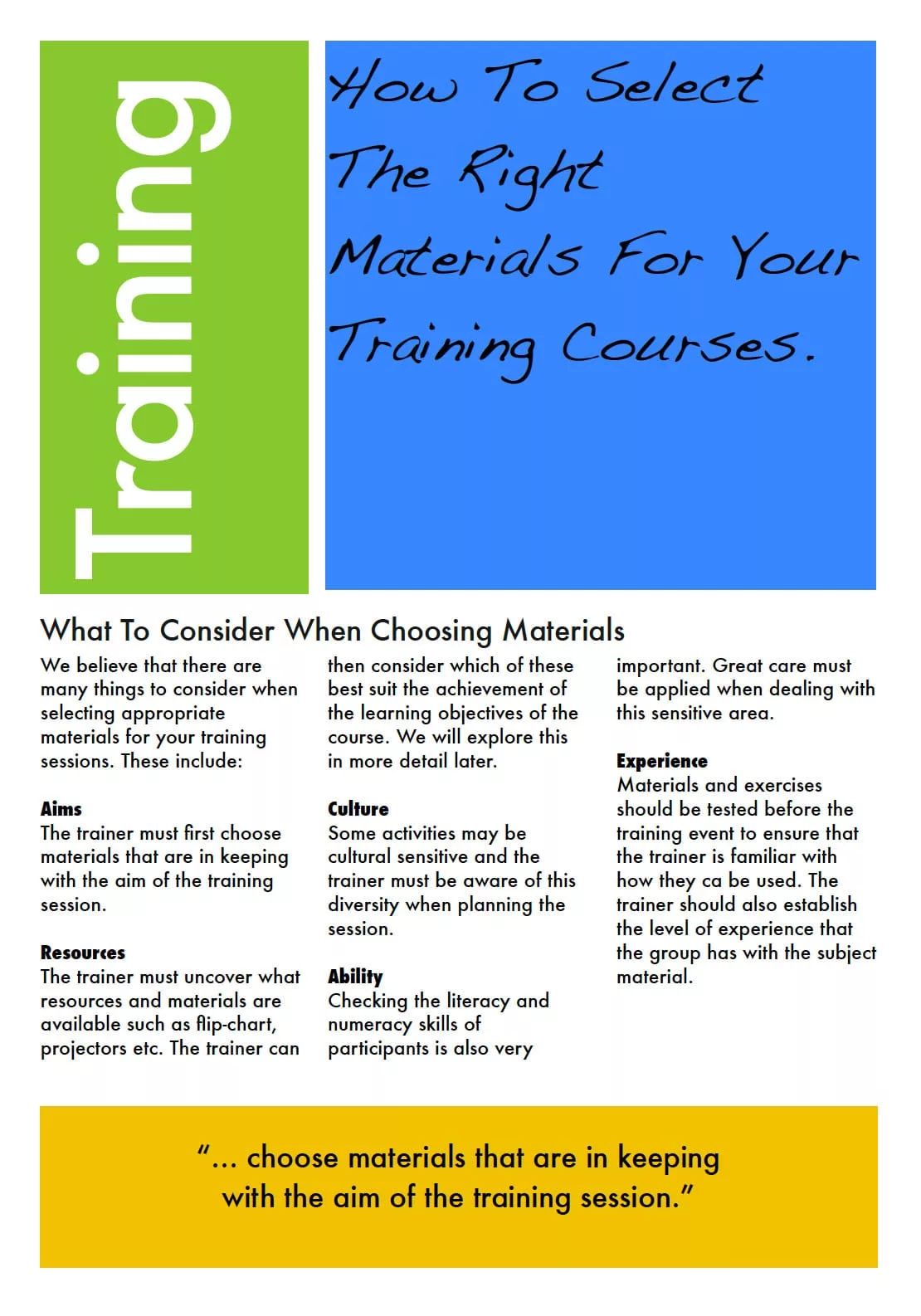
We intentionally use generic backgrounds and titles, so you can easily rebrand and customize everything as your own.
No subscriptions. No recurring fees. No attribution required.
Frequently Asked Questions.
Who should take Work Organization Skills training?
The course is relevant to employees, supervisors, team leaders and managers who want a more structured approach to organizing work and understanding workplace priorities.
What will participants learn about work organization?
Participants explore organizational environments, planning concepts and strategic models that help explain how work is structured and decisions are made.
How can better work organization support performance?
Understanding priorities, organizational influences and work structures can help teams coordinate activities and make more informed decisions.
Does the course explore business and competitive factors?
Yes. The course considers internal and external environments, competitive forces and sources of competitive advantage as part of organizational planning.
Can I customize the Work Organization Skills training materials?
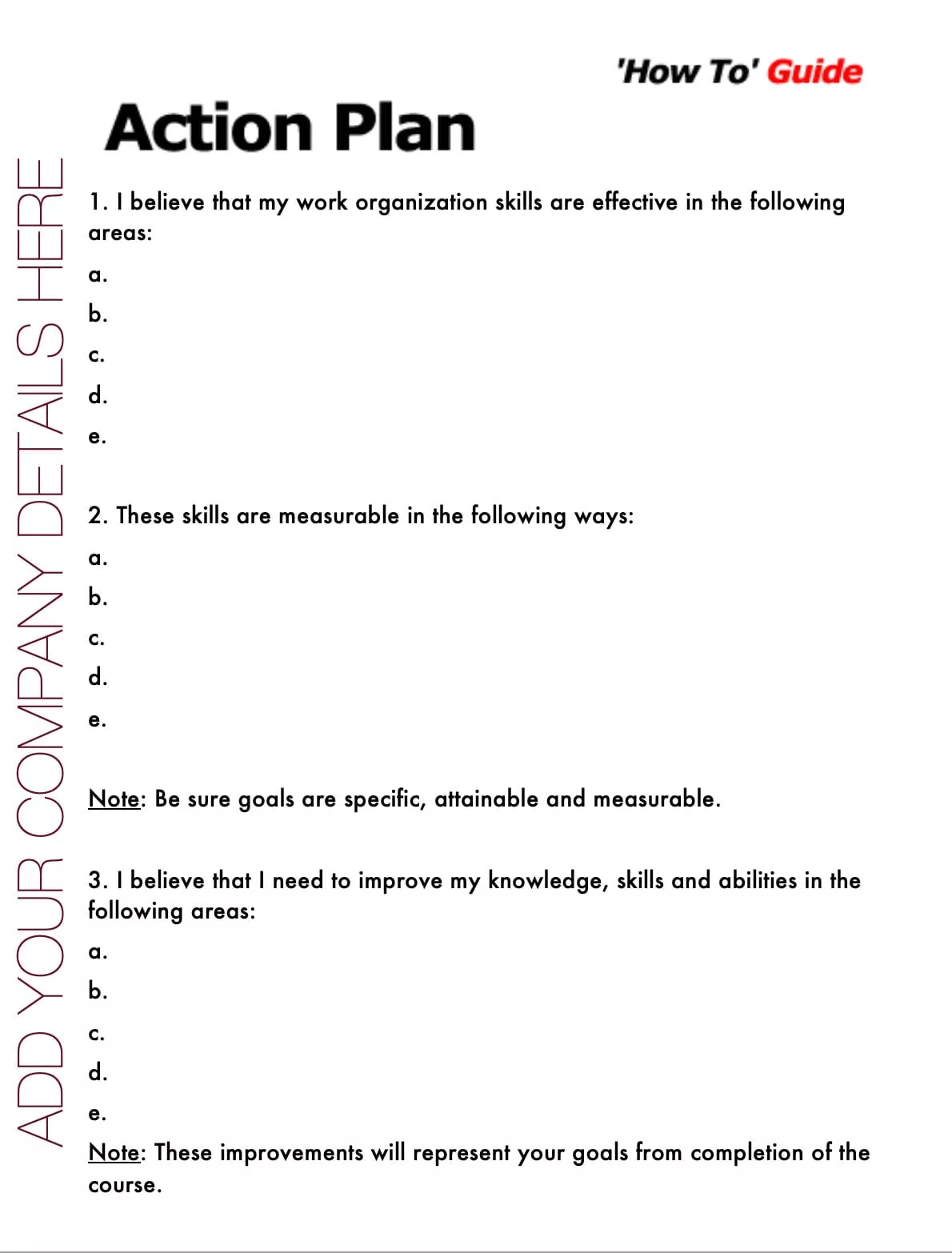
Yes. The package includes editable slides, a participant workbook, a trainer guide and practical activities that you can adapt to your audience and workplace examples.
What Trainers Say.
★★★★★ “Oak creates self-contained, practical, and easy-to-use training modules… with personal service.” – Rey Carr, Peer Resources.
★★★★★ “This program is ready to go! Complete and comprehensive as I’ve ever seen.” – Dave Benak, TrainingPays.
★★★★★ “Courses are laid out so well and spark natural dialogue… Most thorough content you can find.” – Bryon Jennings.
★★★★★ “The notes for facilitator were simple and easy to follow.” – Tracey O’Shea, Forest Laboratories.
66 slides • 49-page guide • 43-page workbook • 17 activities • Instant download • Use forever
Meet Our Customers.

























Explore More Courses.
-

Auditor Skills: Training Package
$97.00 - Lifetime Reuse Add to cart -

Business Excellence: White-Label PPT Kit
$80.00 - Lifetime Reuse Add to cart -

Developing Effective Project Managers: Complete Courseware Kit
$97.00 - Lifetime Reuse Add to cart -
How To Benchmark Performance: Editable Package For Trainers
$97.00 - Lifetime Reuse Add to cart -

Managing Time: Corporate Training Program Courseware
$97.00 - Lifetime Reuse Add to cart -

Personal Productivity Skills: Complete Training Courseware
$97.00 - Lifetime Reuse Add to cart -

Quality: A Trainer Toolkit
$97.00 - Lifetime Reuse Add to cart -

Technical Report Writing Skills: Complete Courseware Kit
$97.00 - Lifetime Reuse Add to cart -

The Work Organization: Trainer Slides & Mauals
$80.00 - Lifetime Reuse Add to cart

Meet Catherine, the passionate mind behind Oak Innovation. For more than 30 years, she’s been creating practical, engaging courses that help trainers, L&D professionals, managers, and consultants save valuable preparation time. Her goal is simple: make course creation easier, so you can spend less time preparing and more time delivering great training.