A Complete Teamwork Course, Built For You To Deliver.
Teach practical teamwork skills that strengthen communication, cooperation, shared responsibility and performance across teams.
Take team development further with Group Dynamics and Interpersonal Skills, two useful companion topics for understanding how effective teams work.
Who Are These Teamwork Training Materials For?
Instead of creating slides, exercises, facilitator notes, and participant materials from scratch, you can customize this complete course toolkit with your own branding and examples.
Teach this course toolkit in person, virtually, or as part of a blended learning program.
What’s Covered In This Teamwork Training Course Material?
1. Team working
- The difference between working within a group and teamwork.
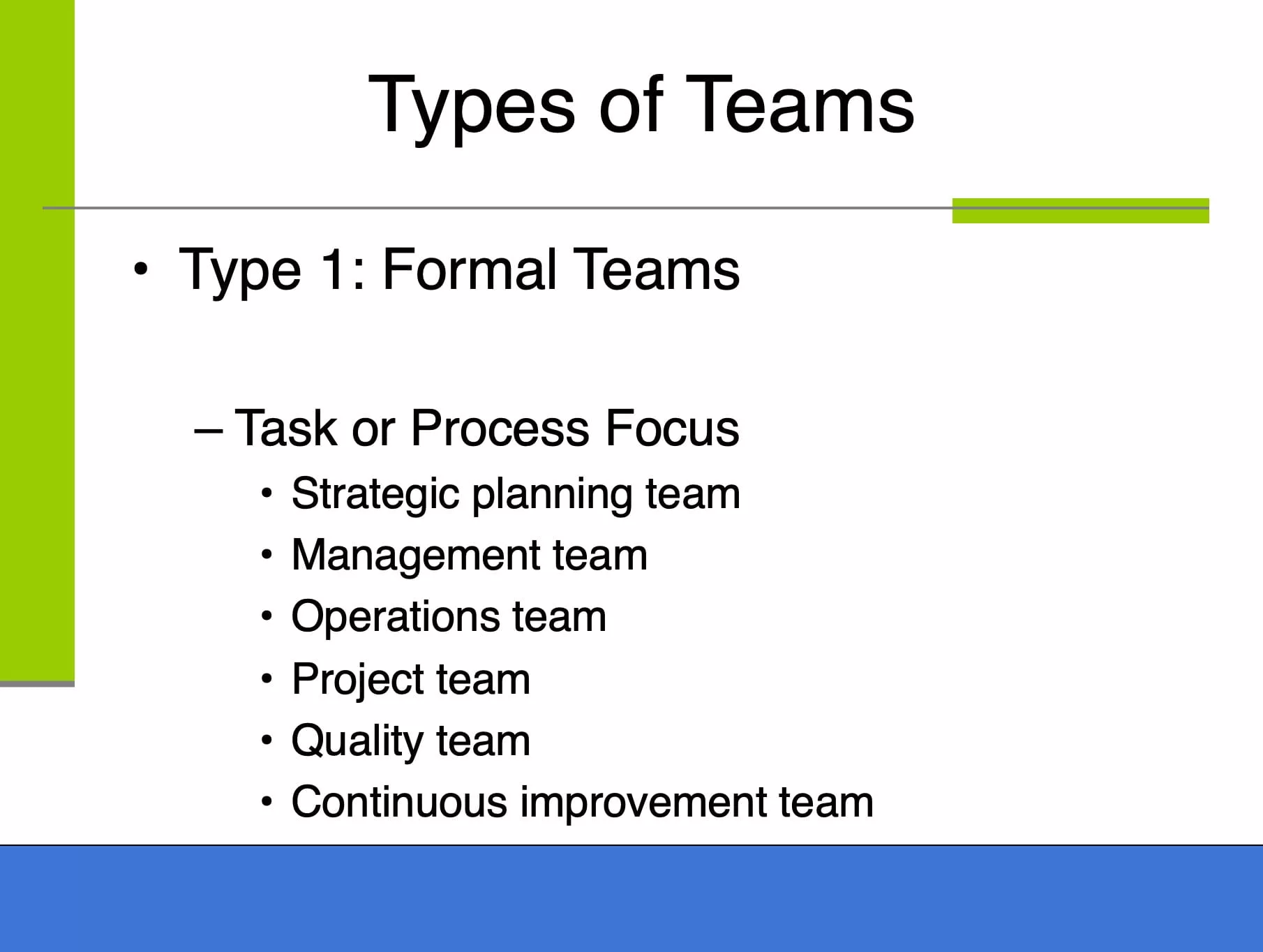
- Various types of team structures and teamwork.
- The differences within these structures.
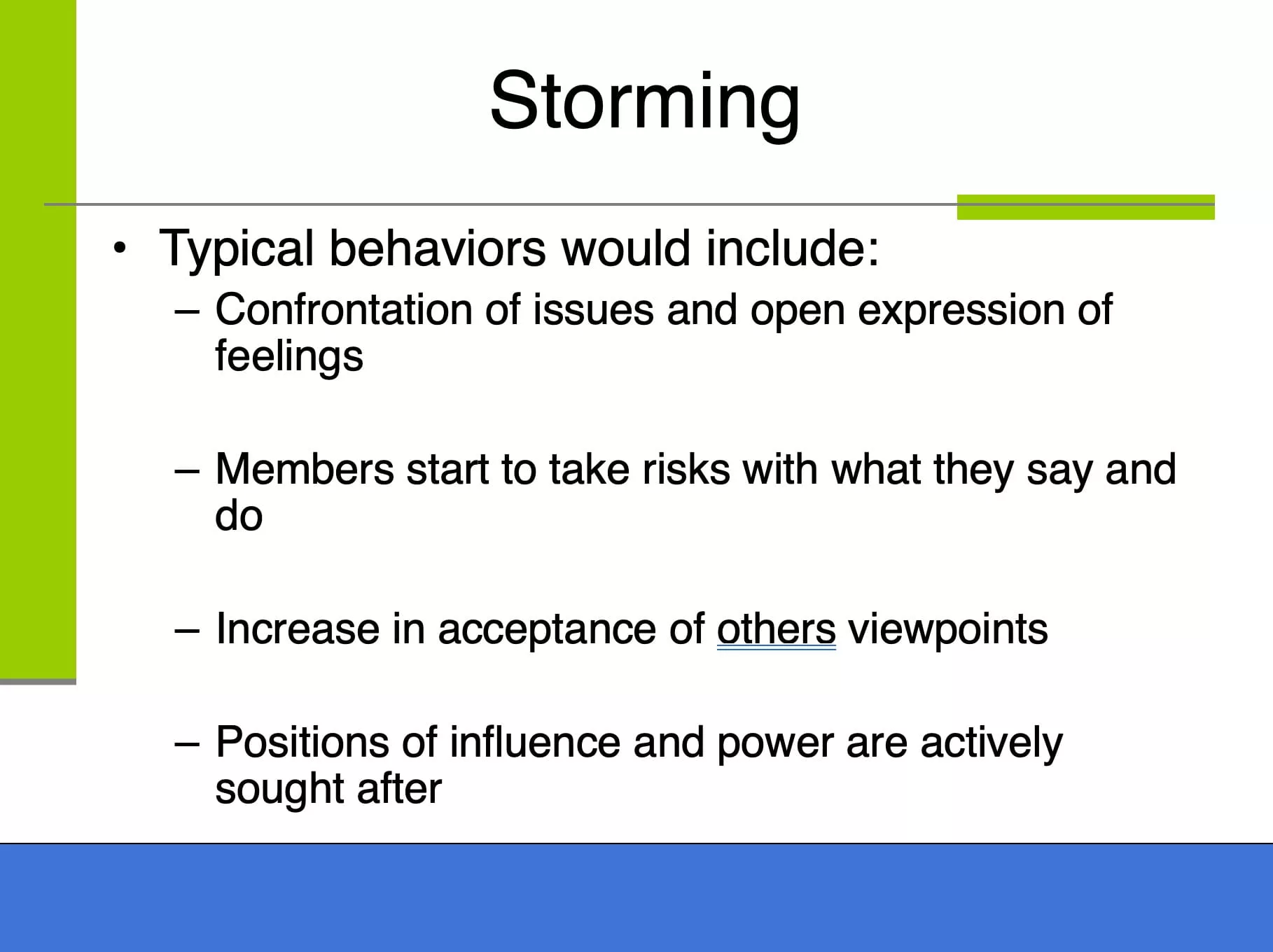
- The stages of team formation (e.g., a crucial part of understanding group dynamics).
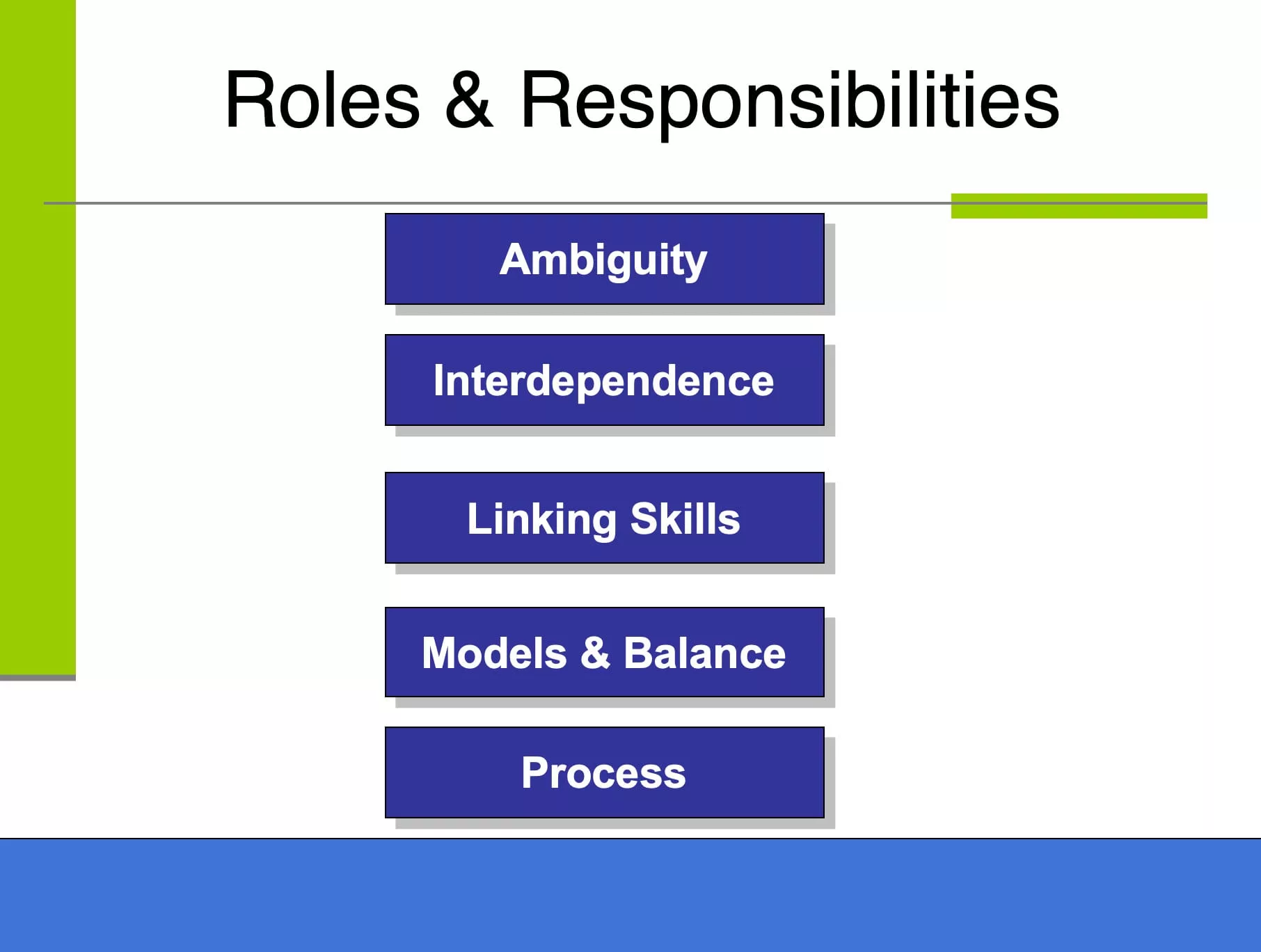
- Roles and responsibilities.
- Team-building skills and work structures.
- The impact of ambiguity and interdependence.
2. Models of team working
- Aspects prohibiting successful teamwork skills.
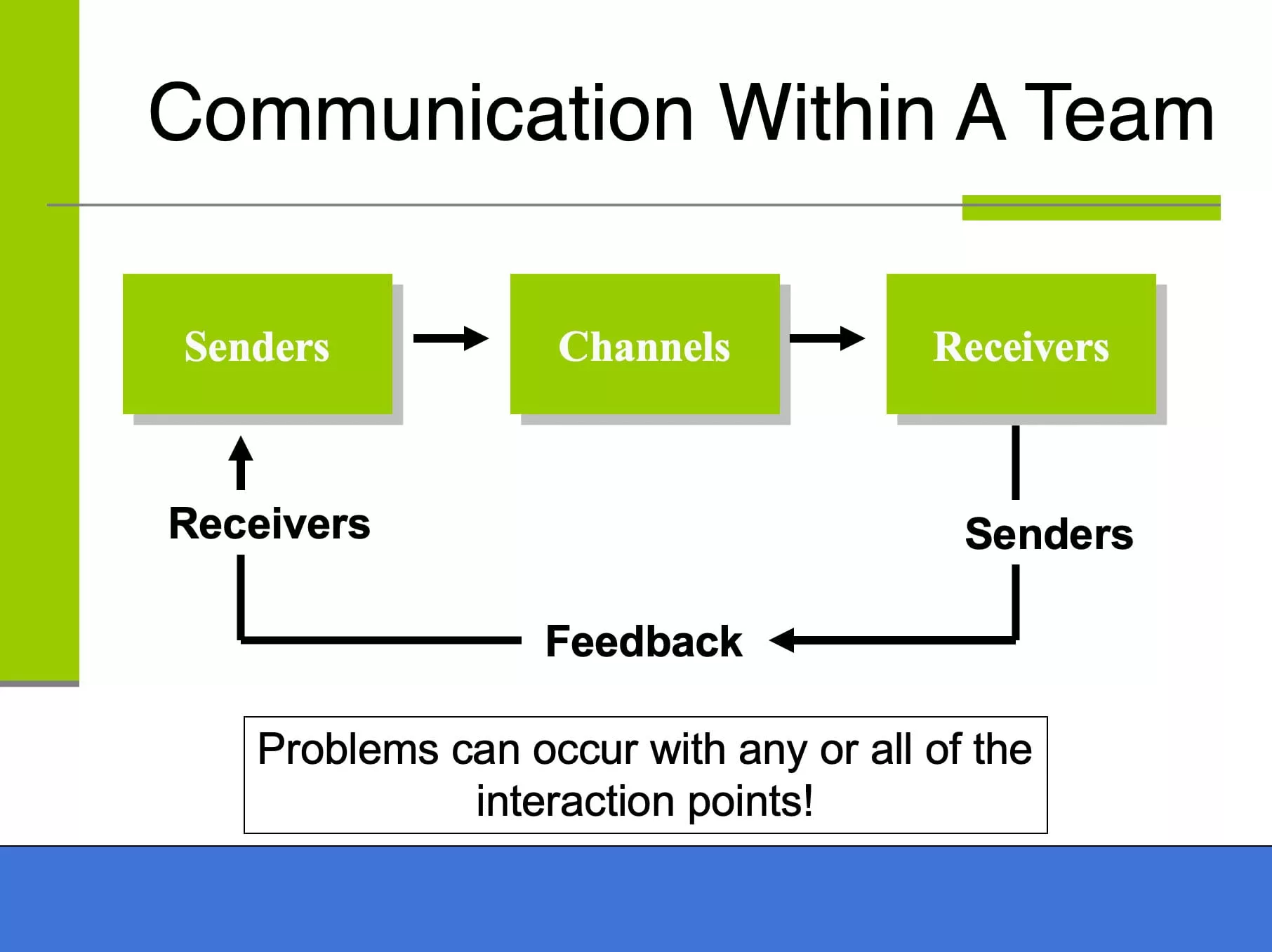
- Team balance and autonomy, levels of communication, and media available.
3. High-performance teams
- How to maintain a high-performance team.
- How to overcome low performance.
- Team factors (e.g., motivation, diversity, and leadership).
4. Managing expectations
- Conflict management skills.
- How to lead a high-performance team.
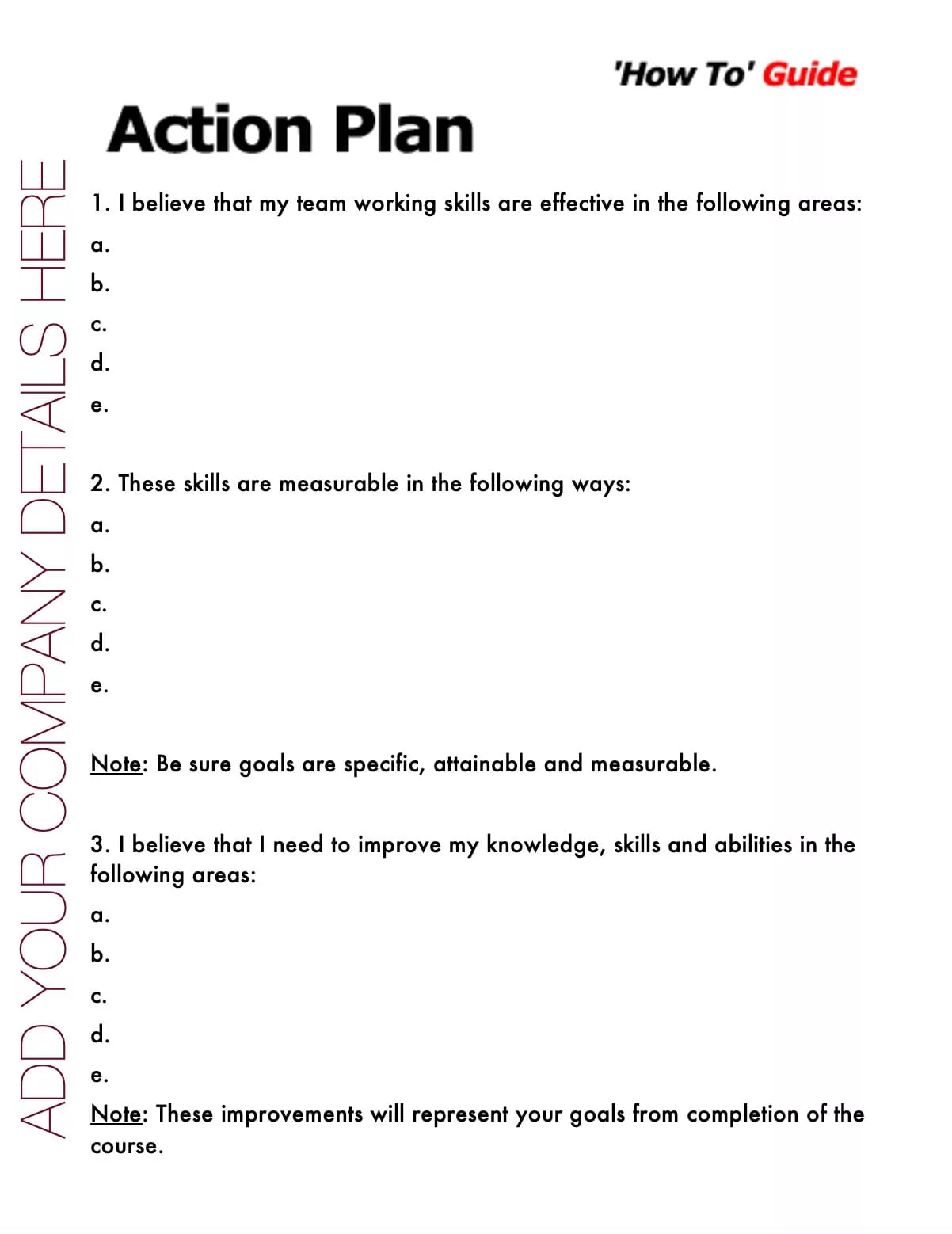
Free Teamwork Skills Workshop Preview.
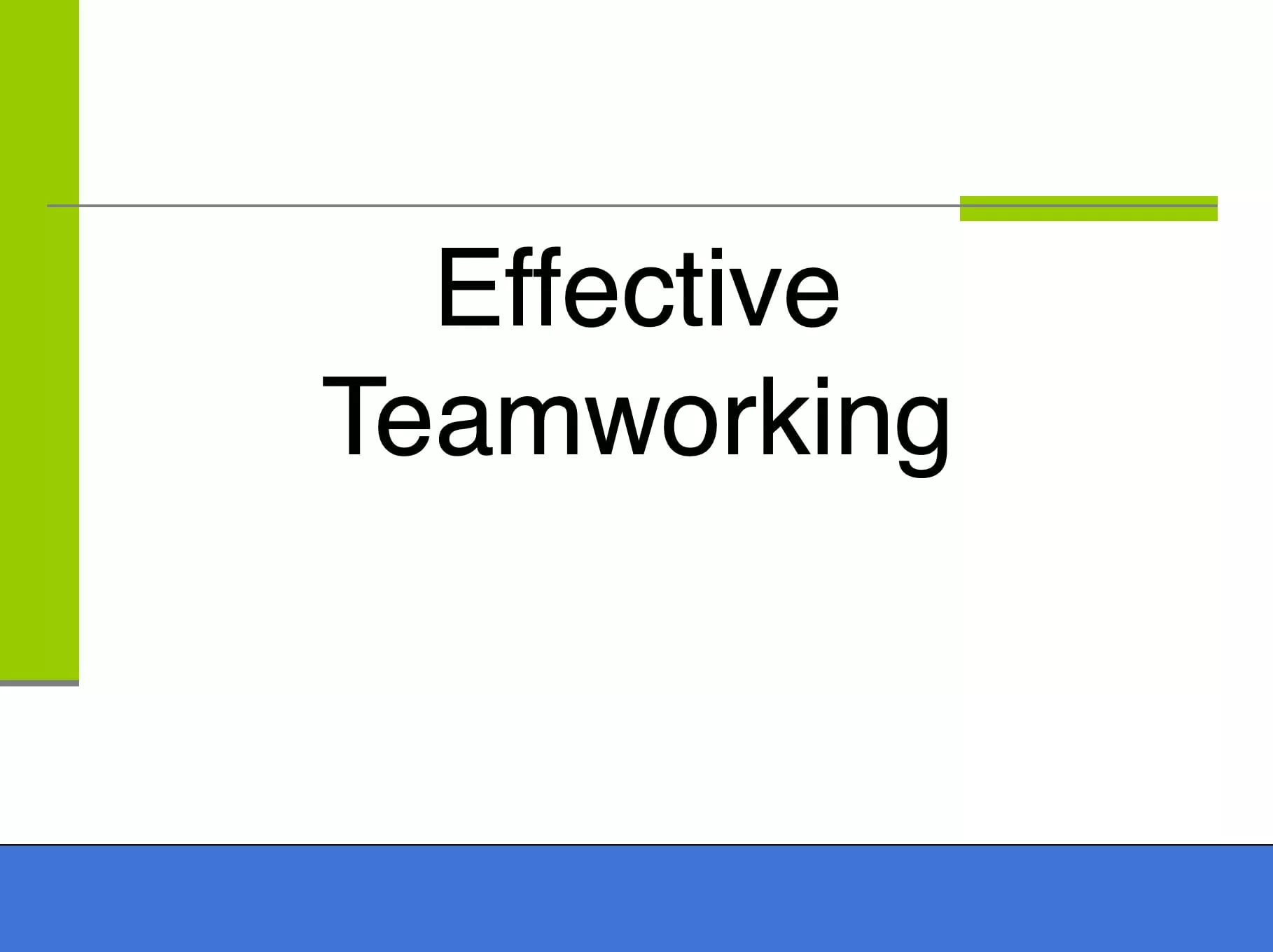
Below are sample materials from this course.
We intentionally use generic backgrounds and titles, so you can easily rebrand and customize everything as your own.
No subscriptions. No recurring fees. No attribution required.
What Trainers Actually Say.
★★★★★ “Well-structured series relevant to today’s HR professionals. Information is well-organized and easy to understand.” – Bernard Cronin, Director of HR, Apple.
★★★★★ “The content is incredibly relevant, well-structured, and grounded in sound training principles.” – James L. Steward.
★★★★★ “Very comprehensive. Support tools provided were impressive. Notes for facilitator were simple and easy to follow.” – Tracey O’Shea, Leadership Development, Forest Laboratories.
★★★★★ “As a trainer, I appreciate the trainer background materials so I can study the details and background.” – Andrea Chisholm, Critical Success Consulting.
Frequently Asked Questions.
How long should a team building workshop be?
A single team building session should run between 3 hours and a full day. Anything shorter than three hours tends to feel like a forced icebreaker. Anything longer than a day without follow-up action loses momentum. The most effective structure is a morning focused on communication and trust (with at least two hands-on activities), followed by an afternoon on problem-solving and role clarity. The modular design lets you pull individual 45-minute or 90-minute blocks for shorter sessions.
How do you improve teamwork in the workplace without it feeling forced?
Start with work-relevant scenarios, not games. Teams resist trust falls because the activity has no connection to their actual jobs. Instead, use exercises that mirror real friction points: unclear handoffs between departments, mixed messages in email chains, or conflicting priorities. When participants see the exercise as a safer version of Monday morning, engagement rises and skepticism drops. Design activities around workplace situations - no abstract games, no physical stunts.
Can you deliver team-building activities virtually?
Yes, but the activities need to be redesigned for screens, not just moved to Zoom. Successful virtual team building relies on breakout rooms, shared digital whiteboards, and shorter time blocks (10 - 15 minutes max) to maintain attention. Include chat-based variations for participants who prefer typing to speaking on camera.
What are good team communication exercises for adults?
One of the most reliable is the Message Relay exercise. Split the group into teams of five. Give the first person a realistic work instruction - something like, Tell the team we need to move the client review from Thursday to Friday at 2 p.m. Each person whispers it to the next. By the time it reaches the end, Friday at 2 p.m. usually becomes Tuesday morning. The debrief writes itself: participants immediately see how meaning breaks down in Slack threads and email chains.
How do you handle conflict in a team during a workshop?
Expect it. If a team is experiencing real conflict, a single workshop will not fix it - but it can give them a shared language and a process to use afterward. The best approach is to front-load a simple framework (such as interests vs. positions) early in the day, then use a low-stakes activity to practice it before applying it to their real situation. Try a 20-minute Team Tension Mapping activity and keep specific scripts ready for when a participant says, This is a waste of time or We just need better people.
What should a complete set of teamwork training materials include?
At minimum: presentation slides, a facilitator guide with timing and talking points, a participant workbook, and at least 10 practical activities tied to real workplace outcomes. Ideally, the materials should also include assessment tools (so participants can measure their own teamwork behaviors) and a delivery structure for both in-person and virtual sessions. Look for materials that bring those components together in one editable course package.
Are these materials editable for my own brand?
Yes. Every file - slides, workbook, and facilitator guide - is provided in editable formats. You can add your logo, replace the generic examples with your organization's case studies, translate the content if needed, and remove or expand modules to match your audience. Trainers regularly adapt materials for healthcare, manufacturing, tech, and nonprofit teams without starting from scratch.
Do these activities work for cross-functional teams?
They are specifically designed for cross-functional teams. Cross-functional teams struggle with different vocabularies, competing priorities, and unclear ownership.
How do you build trust in a new team quickly?
Trust in new teams is built faster through predictability than through personality. Instead of asking people to share personal stories, give them a shared task with a clear goal and let them observe each other's competence and reliability.
Can I reuse these training materials for multiple teams or clients?
Yes. The license is perpetual and covers repeated delivery to different internal teams or external client groups. Many corporate trainers and independent consultants use these materials as a foundation, customize the examples for each industry, and deliver monthly under their own brand. There are no recurring fees and no attribution required to Oak Innovation.
How quickly can I prepare and deliver this workshop?
Most facilitators customize the materials in 30 to 60 minutes and deliver it the same week. The heavy work - activity design, slide layout, participant handouts, and facilitator scripts - is already done. Your prep time is spent inserting your logo, swapping in two or three company-specific examples, and reviewing the timing notes for the modules you plan to run.
What if I have never facilitated a teamwork session before?
A comprehensive facilitator guide provides talking points, transitions, and contingency activities. No prior teamwork training experience is required.
How do you measure whether a teamwork workshop actually worked?
Use a before-and-after behavioral snapshot, not a happiness survey. Ask participants to rate three specific behaviors at the start of the session: clarity of roles, frequency of useful feedback, and speed of decision-making. Run the same three questions 30 days later. If scores rise, the workshop created traction. Include a pre- and post-assessment and a team action-planning template to lock in commitments before people leave the room.
89 slides • 61-page guide • 54-page workbook • 17 activities • Instant download • Use forever
Organizations That Have Downloaded Oak Innovation Training Materials.






























Explore More Leadership Training Materials.
Build out your leadership development program with editable courses covering specialist leadership skills.
-

Change Leadership Skills
- Full Toolkit Read more -
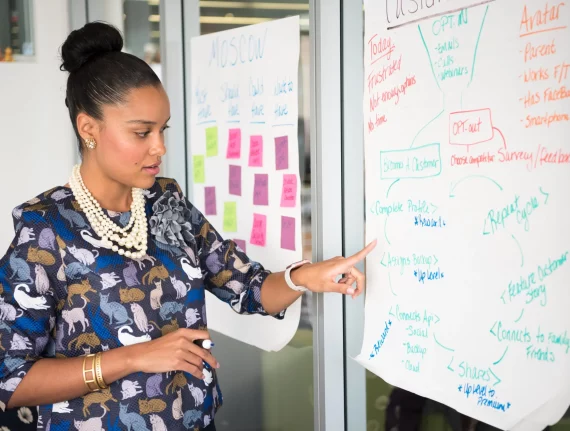
Change Managent Skills
$80.00 - Full Toolkit Add to cart -

Coaching & Mentoring Skills
$80.00 - Full Toolkit Add to cart -

Corporate Culture Skills
$80.00 - Full Toolkit Add to cart -

Delegation In Leadership
$80.00 - Full Toolkit Add to cart -
Employee Motivation Skills.
$80.00 - Full Toolkit Add to cart -

Group Dynamics
$80.00 - Full Toolkit Add to cart -

Issues In The Organization
$80.00 - Full Toolkit Add to cart -

Leadership Influence Skills
$80.00 - Full Toolkit Add to cart -

Leadership Skills
$80.00 - Full Toolkit Add to cart -

Management Skills For New Managers
$80.00 - Full Toolkit Add to cart -

Meeting Management Skills
$80.00 - Full Toolkit Add to cart

Meet Catherine, the passionate mind behind Oak Innovation. For more than 30 years, she’s been creating practical, engaging courses that help trainers, L&D professionals, managers, and consultants save valuable preparation time. Her goal is simple: make course creation easier, so you can spend less time preparing and more time delivering great training.