A Complete Time Management Course. Ready When You Are.
Teach participants how to prioritize effectively, organize their workload and make better use of their available time.
Customers looking to make better use of their working day often combine Time Management Skills with Personal Productivity Skills and Work Organization Skills.
Who Are These Time Management Training Materials For?
These ready-to-use training course materials are used by corporate trainers, independent consultants, HR professionals, educators, and people managers.
What’s Covered In This Time Management Training Course Material?
1. Time management
- Essential time management skills.
- Practical tips and approaches.
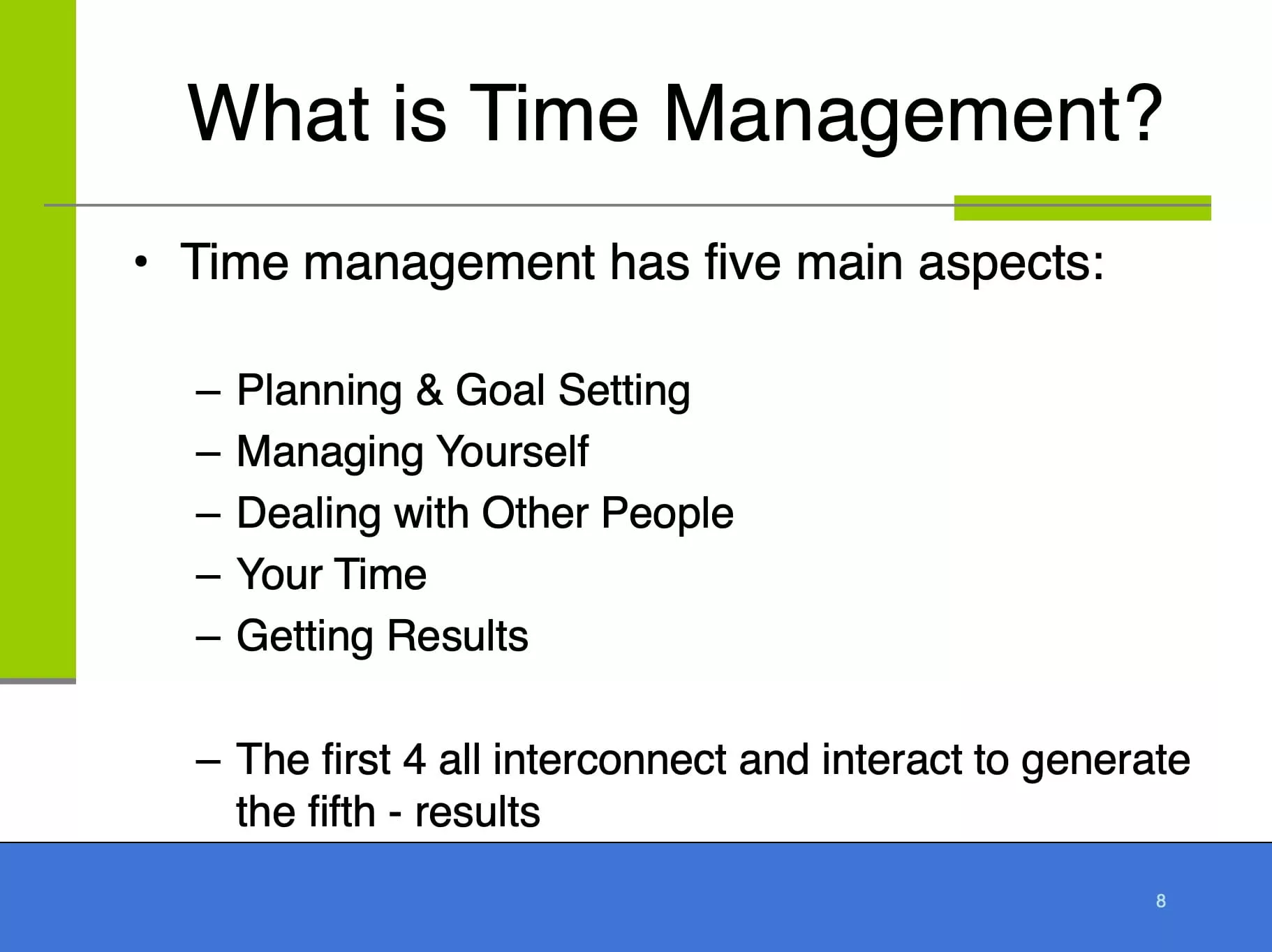
- What is time management?
- Time as a commodity.
- Time management habits, types of time, and the concept of estimating time.
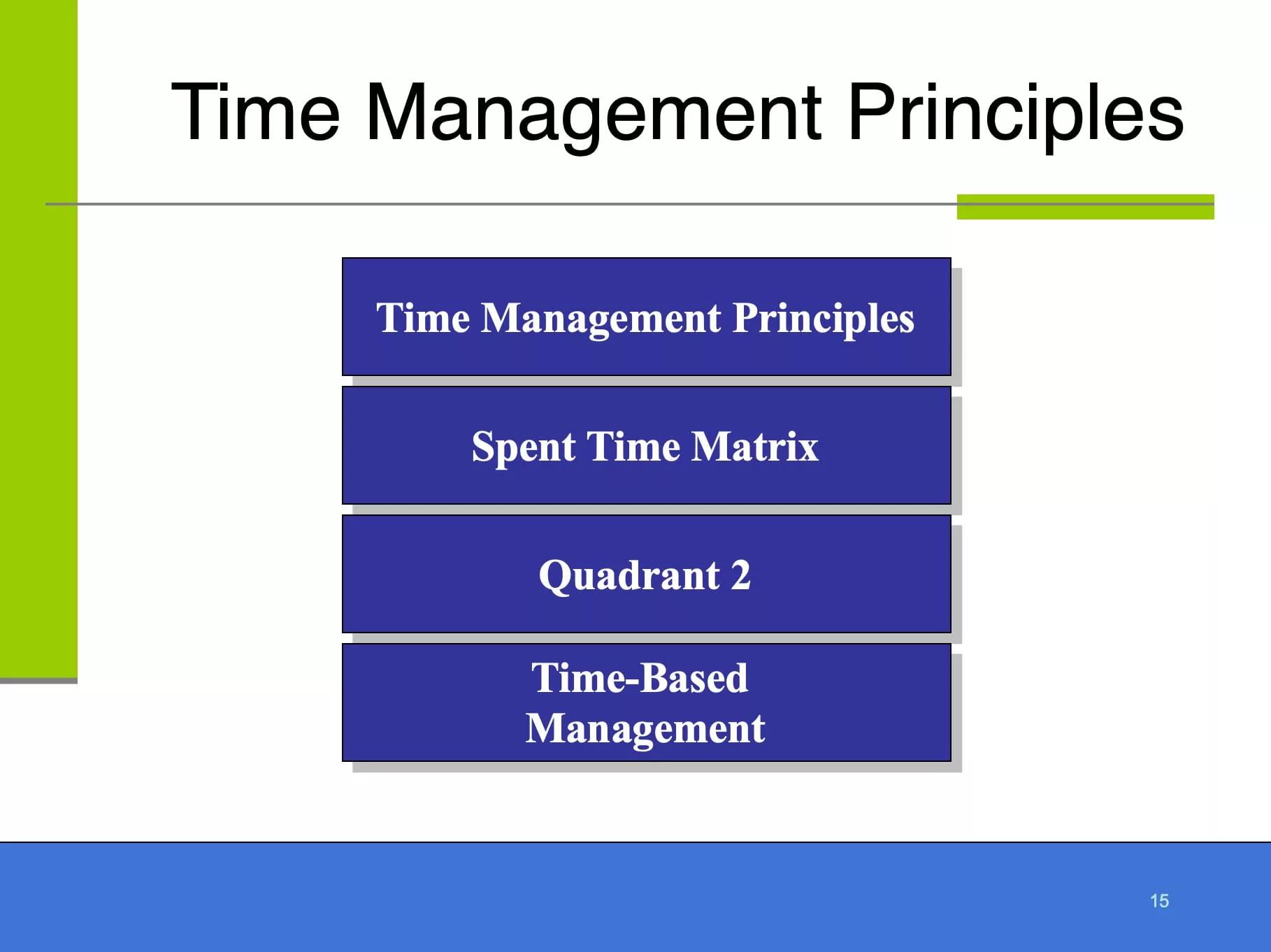
2. Time management principles
- Critical theories like the Spent Time Matrix and a Quadrant 2 Person.
- Time-based management.
- Time and resources.
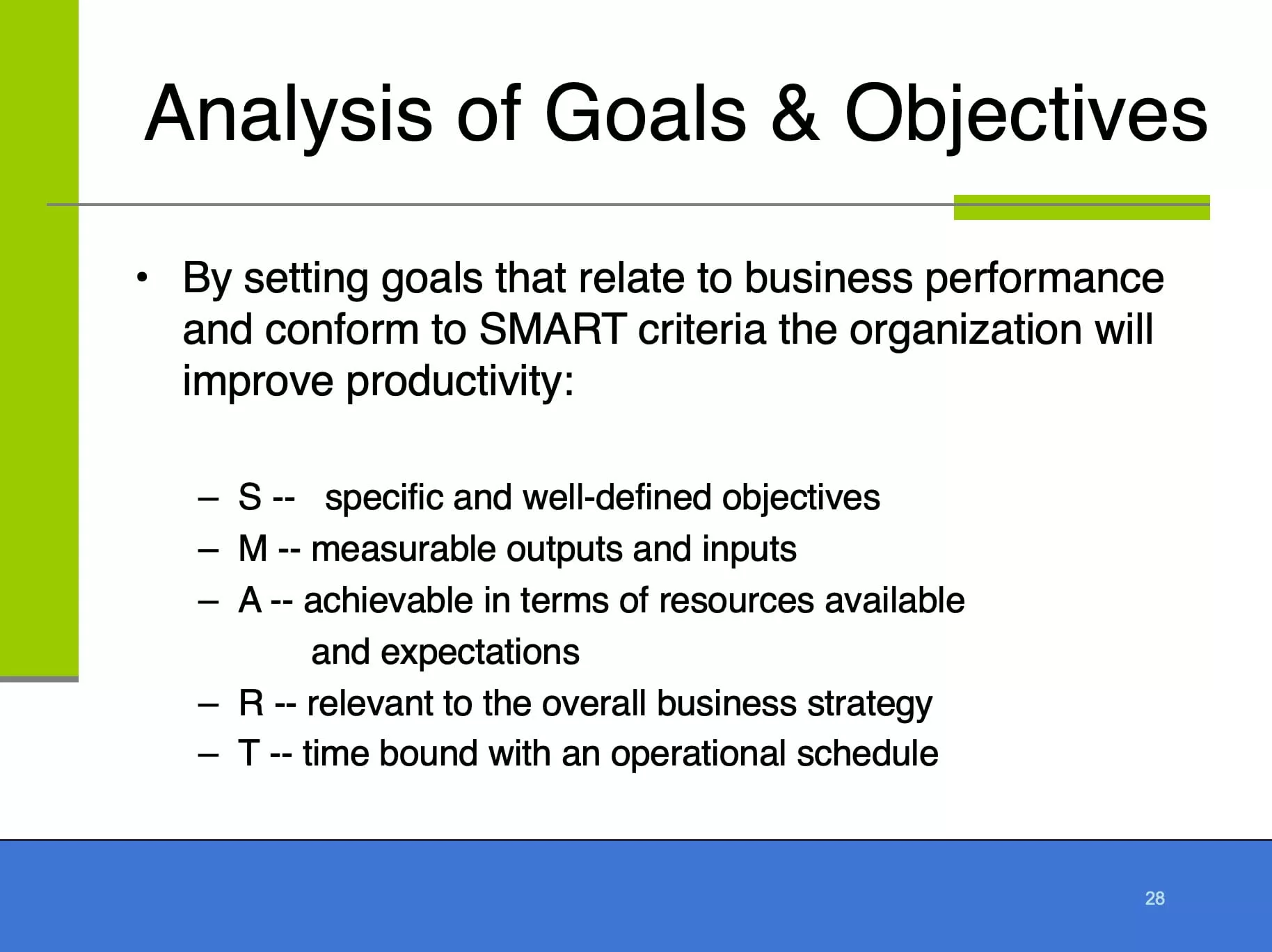
- Pre-analysis of performance, goals, and objectives.
- The concept of systemization.
3. Productive work
- The difference between productive work and busy work.
4. Crisis management
- A definition of crisis management.
- Poor crisis management and poor time management.
5. Planning and stress
- Planning is a source of stress.
- The use of prioritization to avoid disorder.
- Rules for managing time.
- How to handle emergencies.
6. Planning
- The critical role that planning plays in managing time.
- Critical approaches and concepts.
- Time management systems and quality time.
- Managing your phone.
7. Tips and techniques
- The use of time logs.
- Managing interruptions.
Free Time Management Skills Workshop Preview.
Below are sample materials from this course.
We intentionally use generic backgrounds and titles, so you can easily rebrand and customize everything as your own.

No subscriptions. No recurring fees. No attribution required.
What Trainers Actually Say.
★★★★★ “Oak creates self-contained, practical, and easy-to-use training modules… with personal service.” – Rey Carr, Peer Resources.
★★★★★ “This program is ready to go! Complete and comprehensive as I’ve ever seen.” – Dave Benak, TrainingPays.
★★★★★ “Courses are laid out so well and spark natural dialogue… Most thorough content you can find.” – Bryon Jennings.
★★★★★ “The notes for facilitator were simple and easy to follow.” – Tracey O’Shea, Forest Laboratories.
Frequently Asked Questions.
Who should attend Time Management training?
Time Management training is ideal for employees, managers, team leaders, project managers, and professionals who want to improve productivity, manage competing priorities, and reduce workplace stress. It is also valuable for anyone looking to improve planning, organization, and the effective use of their working day.
Can Time Management training help reduce workplace stress?
Yes. Participants learn practical planning, prioritization, and workload management techniques that help reduce pressure and improve control over daily responsibilities. Better organization and clearer priorities can help people feel more confident and less overwhelmed at work.
Does Time Management training improve productivity?
Yes. Time Management training focuses on prioritization, focus, planning, delegation, and productivity techniques that help participants achieve more meaningful results. Developing better work habits helps people complete important tasks more efficiently while reducing wasted time.
Is Time Management training focused on realistic workplace time management?
Yes. Effective Time Management training focuses on planning, setting priorities, managing workload, and handling interruptions effectively. The emphasis is on practical workplace techniques rather than unrealistic productivity expectations.
What should a complete Time Management training program include?
A comprehensive Time Management course should include presentation slides, an instructor guide, participant workbook, and practical time management activities. Quality materials also provide facilitator guidance, discussion exercises, productivity frameworks, workplace scenarios, and action planning resources that support immediate workplace application.
Is Time Management training suitable for busy, high-pressure roles?
Yes. Time Management training is designed for people working in fast-paced environments where competing priorities and limited time are common challenges. The practical techniques help participants stay focused, organized, and productive under pressure.
Can Time Management training be delivered virtually?
Yes. Time Management training works well in virtual, classroom, and blended learning environments. Planning exercises, discussions, and practical activities can all be adapted for online delivery while maintaining participant engagement.
Can Time Management training materials be reused across different teams?
Yes. Editable training materials can be delivered repeatedly across different teams, departments, organizations, and client groups. Facilitators can customize workplace examples while keeping the core productivity principles and planning techniques consistent.
How quickly can you prepare and deliver Time Management training?
Most facilitators customize professional training materials in 30 to 60 minutes and deliver the workshop the same week. Preparation usually involves adding branding, reviewing facilitator notes, selecting relevant workplace examples, and tailoring activities to the audience.
Can you teach Time Management without previous facilitation experience?
Yes. A comprehensive instructor guide provides step-by-step instructions, facilitation guidance, and practical advice for managing discussions about priorities, workload management, and productive work habits. Even first-time trainers can confidently deliver engaging Time Management workshops using professionally developed training materials.
74 slides • 64-page guide • 53-page workbook • 17 activities • Instant download • Use forever
Organizations That Have Downloaded Oak Innovation Training Materials.





































Explore More Productivity Training Materials.
Build out your productivity development program with editable courses covering specialist productivity skills.
-
Sale!

Auditor Skills
$80.00$40.00 Add to cart -
Sale!
Benchmarking Skills
$80.00$40.00 Add to cart -
Sale!

Personal Productivity Skills
$80.00$40.00 Add to cart -
Sale!

Project Managent Skills
$80.00$40.00 Add to cart -
Sale!

Quality Management Skills
$80.00$40.00 Add to cart -
Sale!

Technical Report Writing Skills
$80.00$40.00 Add to cart -
Sale!

The Excellent Organization
$80.00$40.00 Add to cart -
Sale!

The Work Organization
$80.00$40.00 Add to cart -
Sale!

Time Management Skills
$80.00$40.00 Add to cart

Meet Catherine, the passionate mind behind Oak Innovation. For more than 30 years, she’s been creating practical, engaging courses that help trainers, L&D professionals, managers, and consultants save valuable preparation time. Her goal is simple: make course creation easier, so you can spend less time preparing and more time delivering great training.