How You Can Teach A Course On Corporate Structure And Save Time.
Offer your participants a clearer understanding of organizational structures, reporting relationships and how different structures influence the way businesses operate.
Customers teaching organizational structures also download Organizational Behavior Skills and Corporate Culture for a broader organizational perspective.
Meet Our Customers.
































Who Are These Training Materials For?
These ready-to-use training course materials are used by corporate trainers, independent consultants, HR professionals, educators, and people managers.
What’s Covered In This Corporate Structure Training Course Material?
Here’s what is covered:
- Different structures within organizations.
- Why these structures exist.
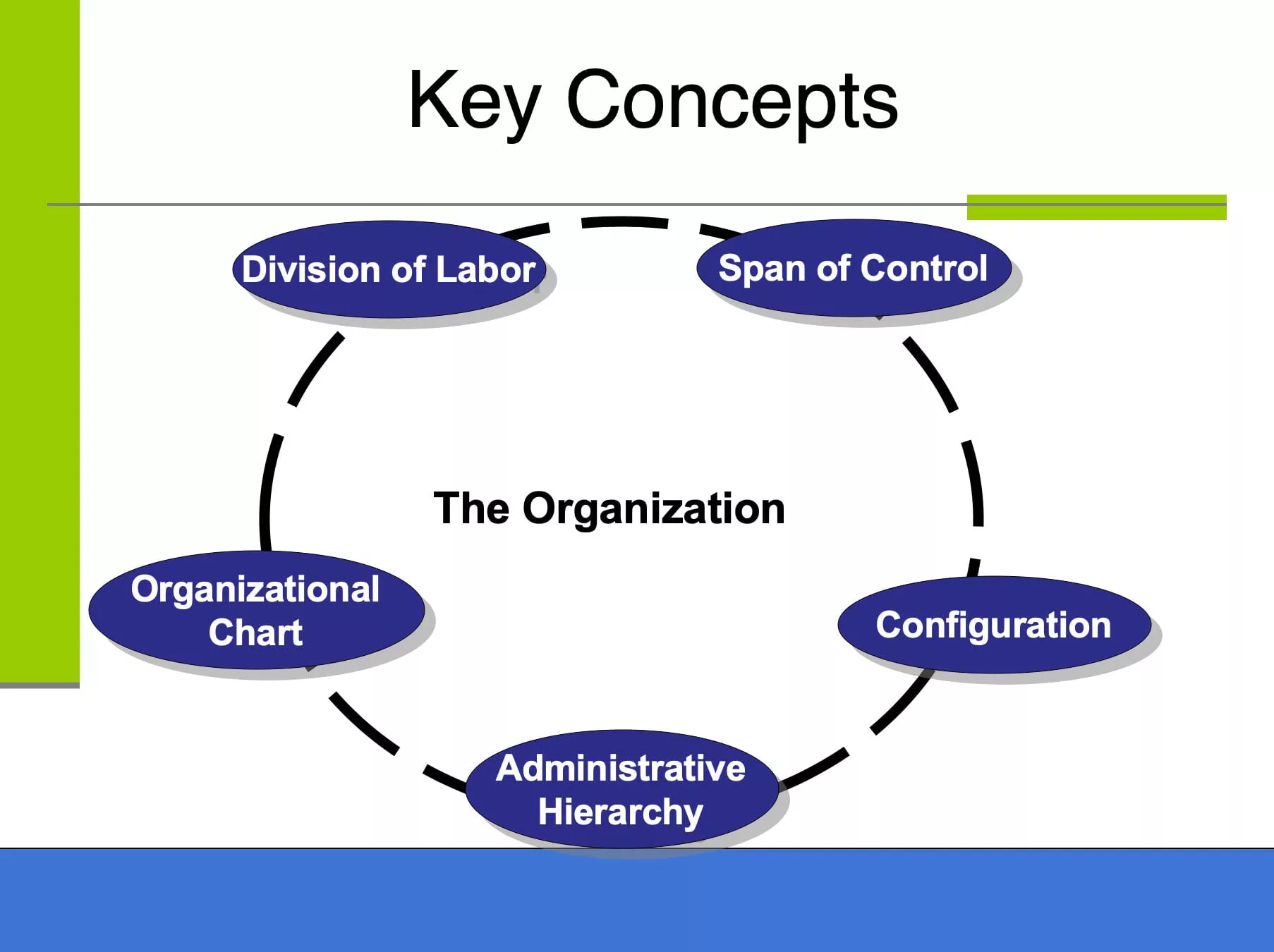
- Key concepts and various management theories.
- The types of existing structures.
- What underpins organizational structures.
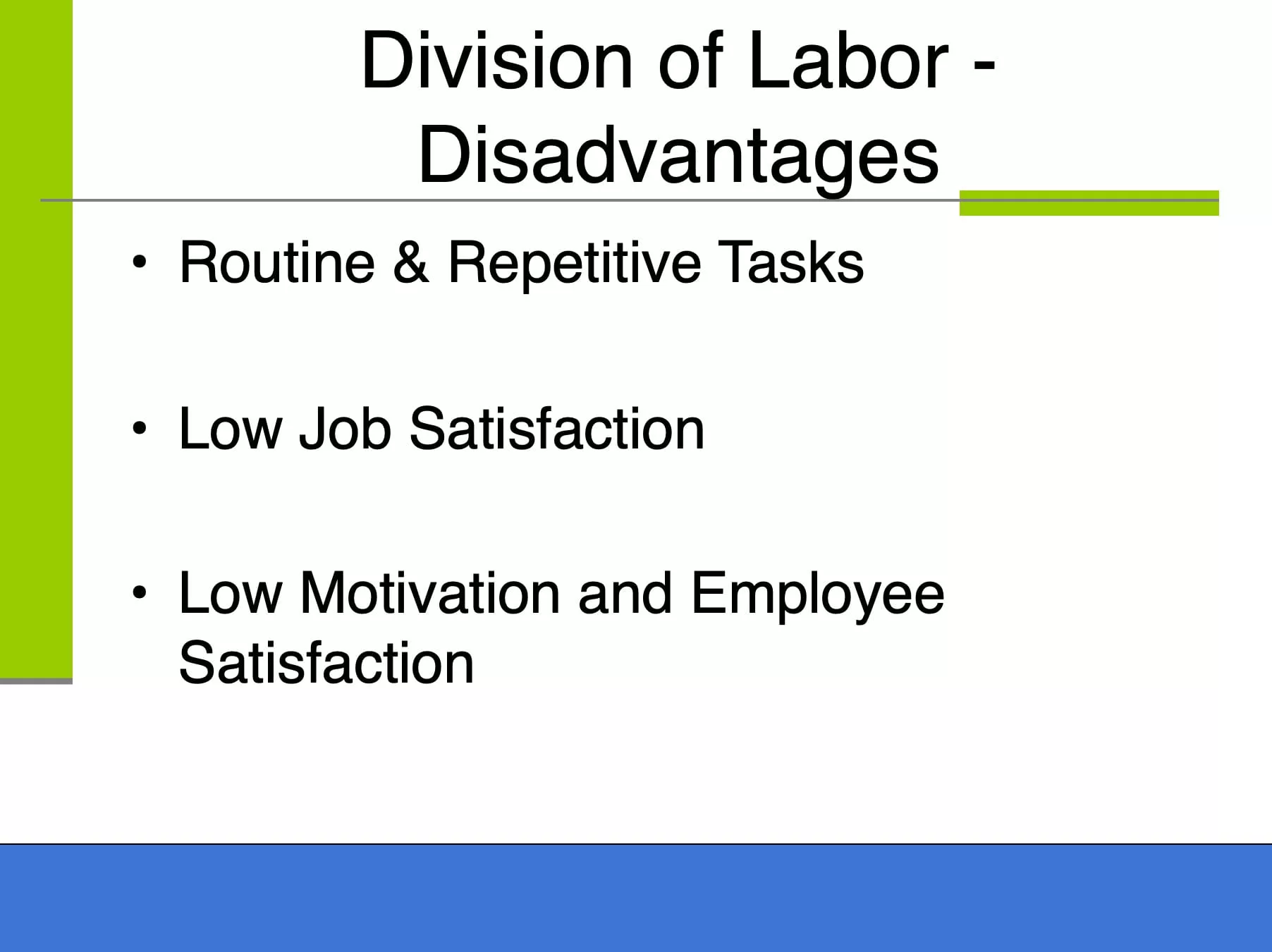
- Division of labor.
1. Introduction
- The benefits of structuring organizational activities to achieve the goals of an organization.
- What is an organization?
- Common concepts and dimensions of organizational structure.
2. Mintzberg’s Theory
- The fundamental concepts of organizational structure as proposed by Henry Mintzberg.
- Five structural configurations (simple structure, machine bureaucracy, professional bureaucracy, divisionalized form, and adhocracy).
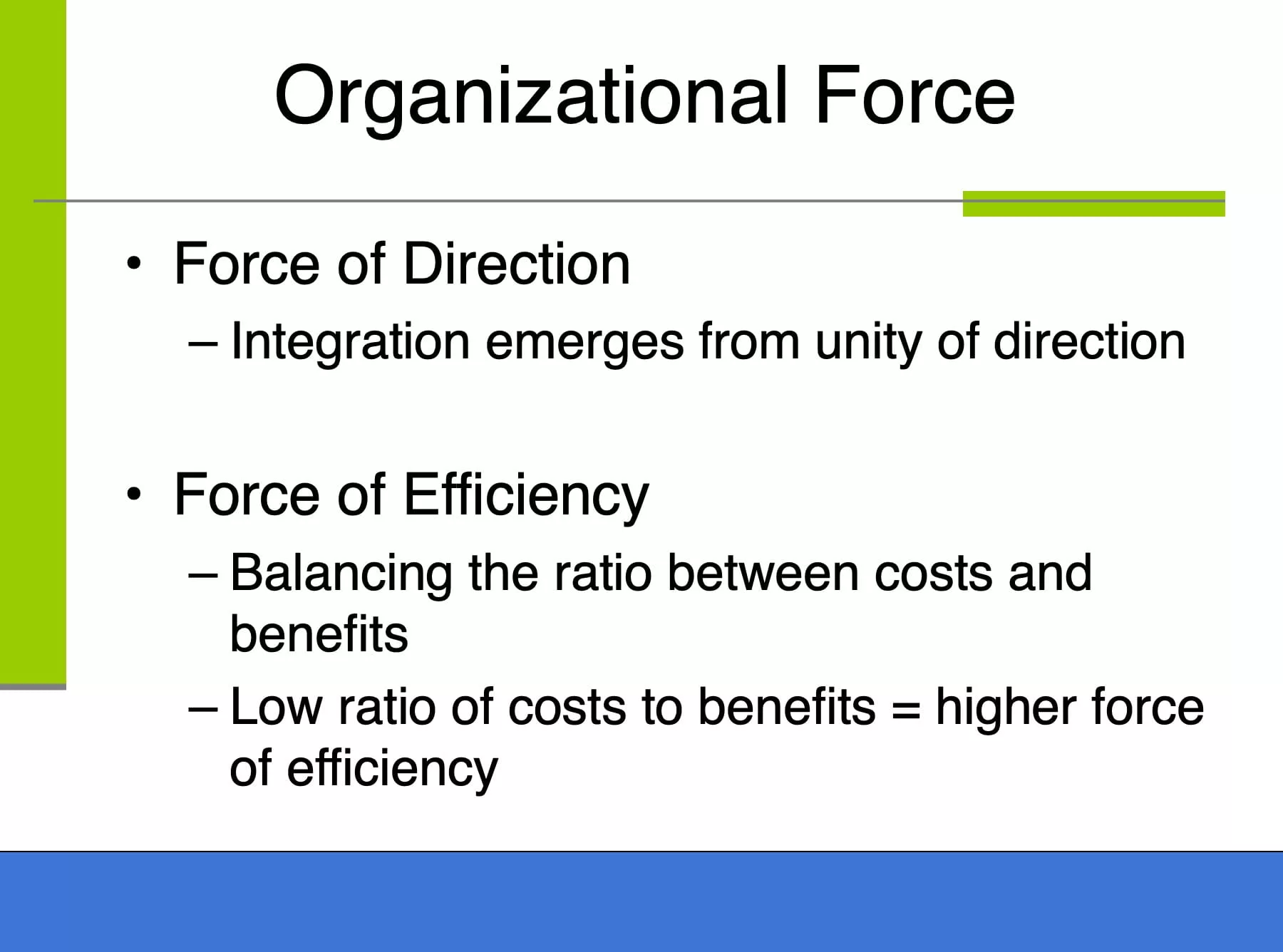
- The seven forces (direction, efficiency proficiency, concentration, innovation, cooperation, and competition).
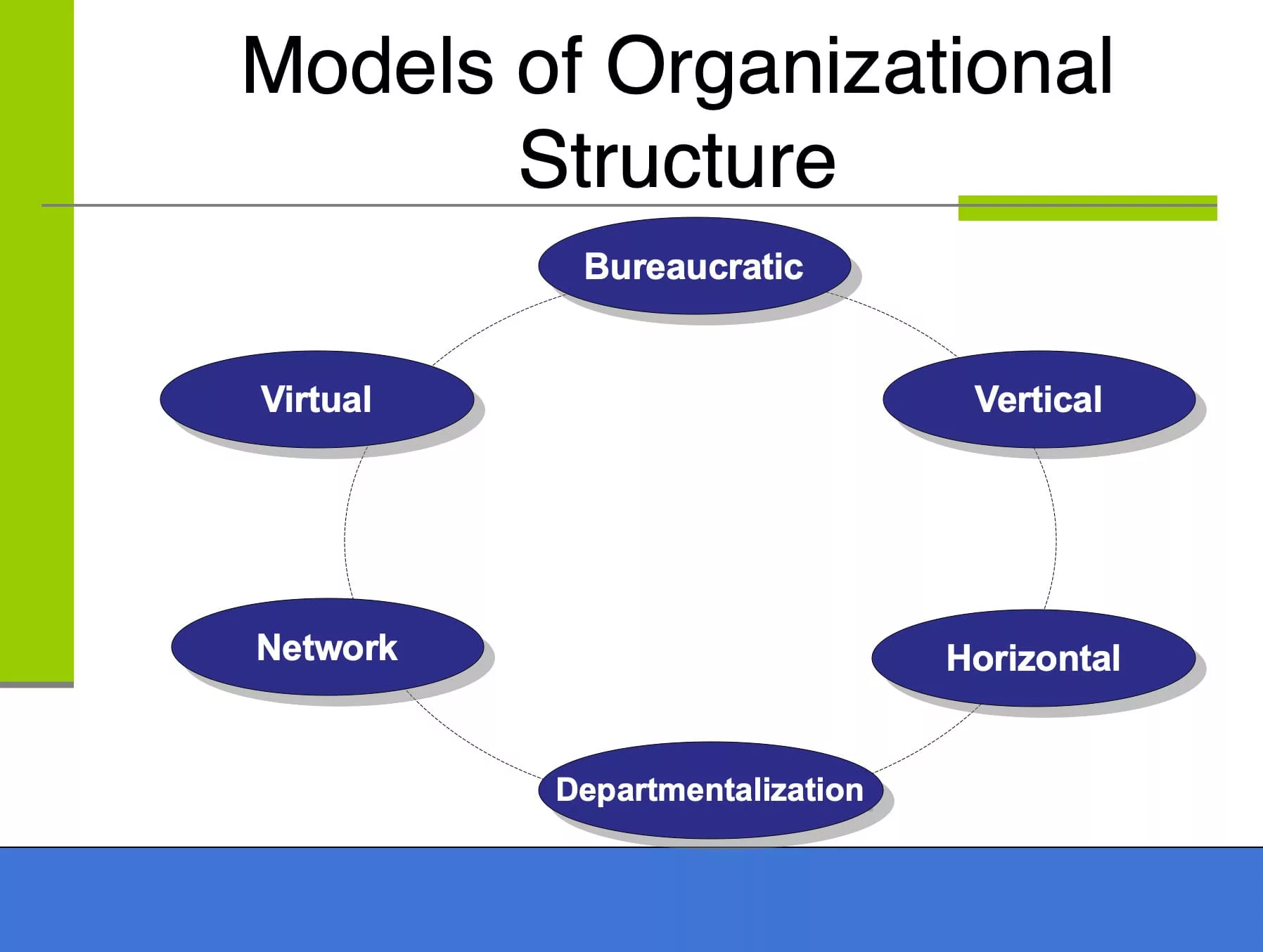
3. The six models of organizational structure
- Bureaucratic.
- Vertical.
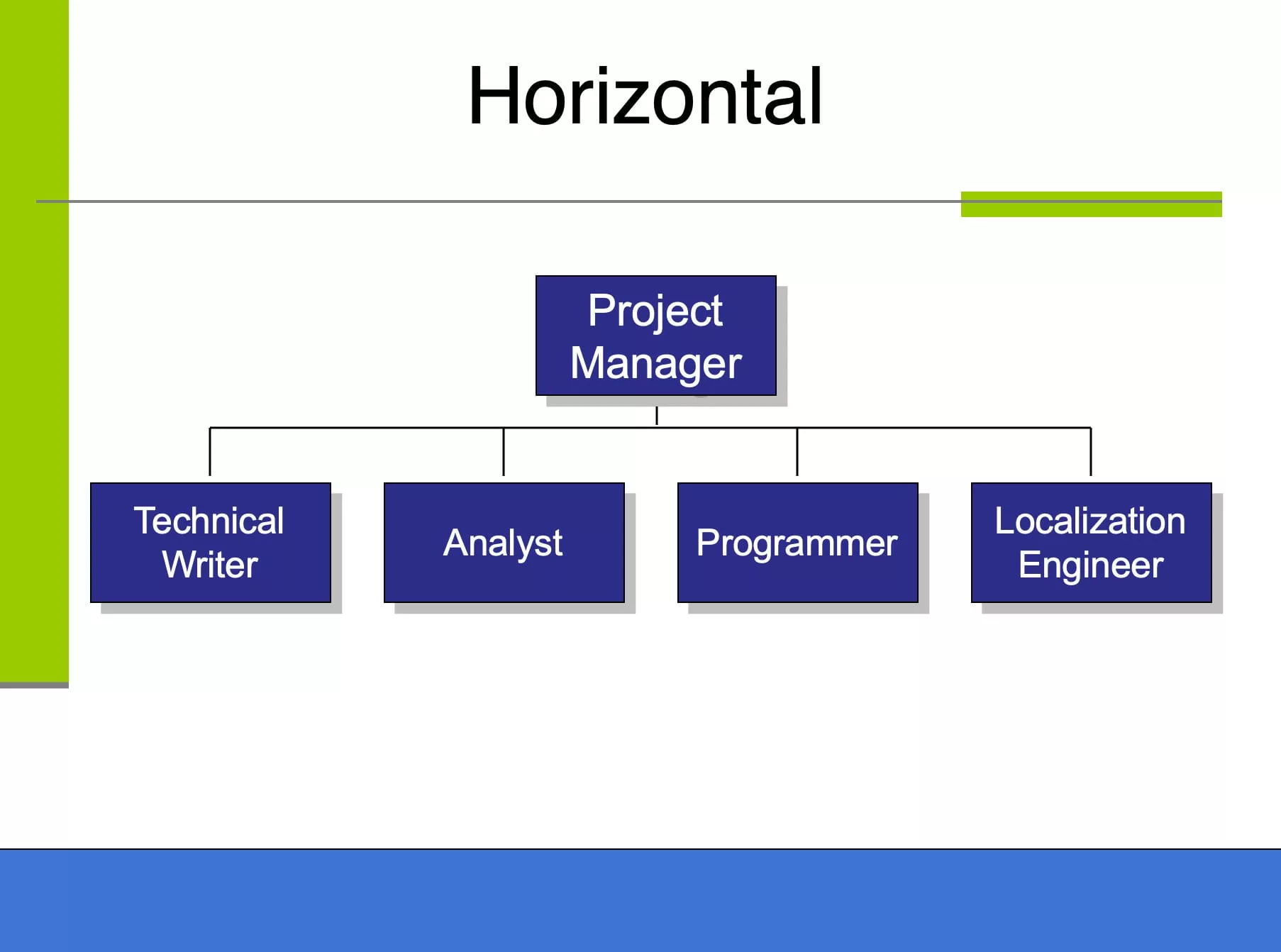
- Horizontal.
- Departmentalization.
- Network.
- Virtual.
Free Workshop Preview.
Below are sample materials from this course.
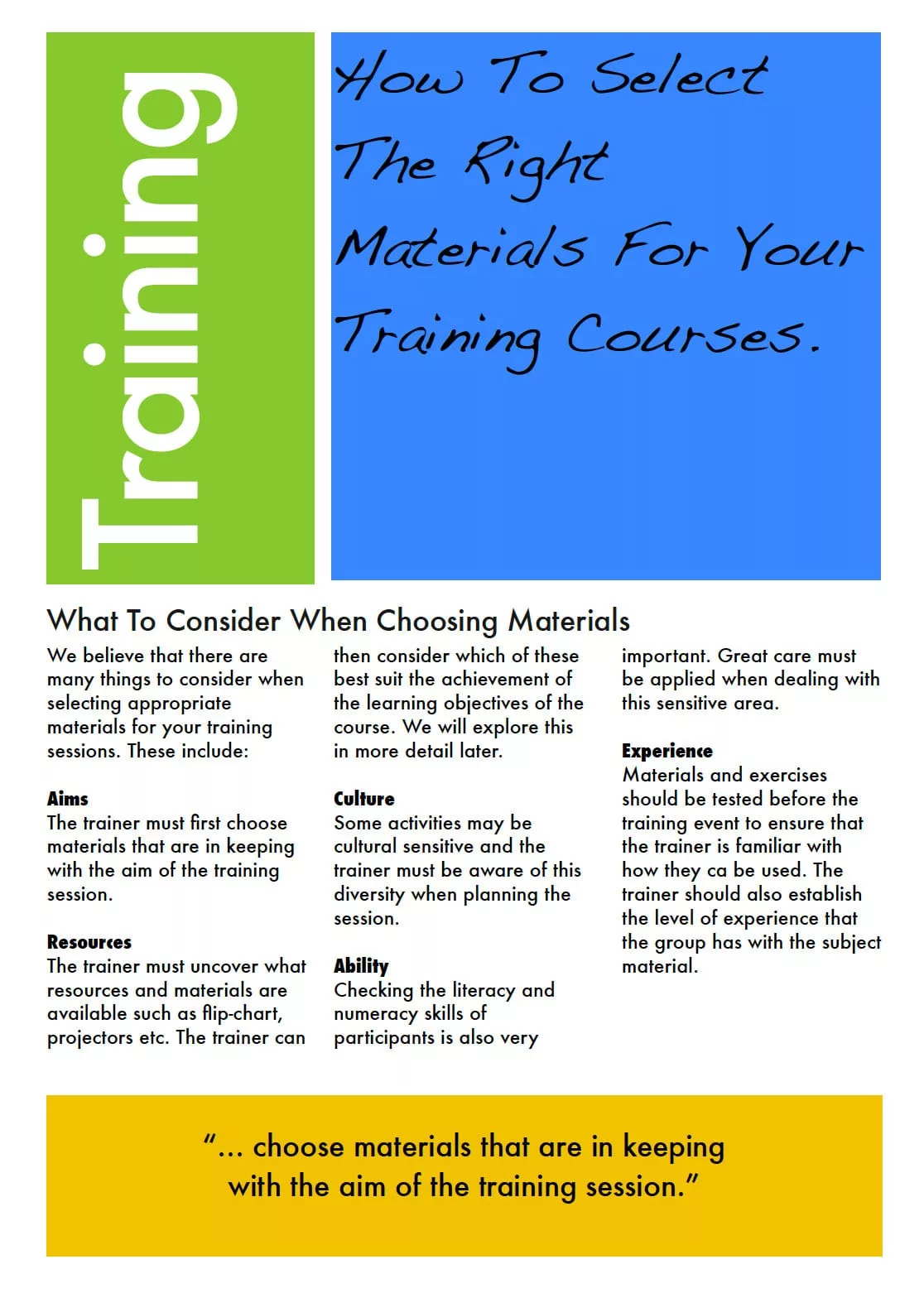
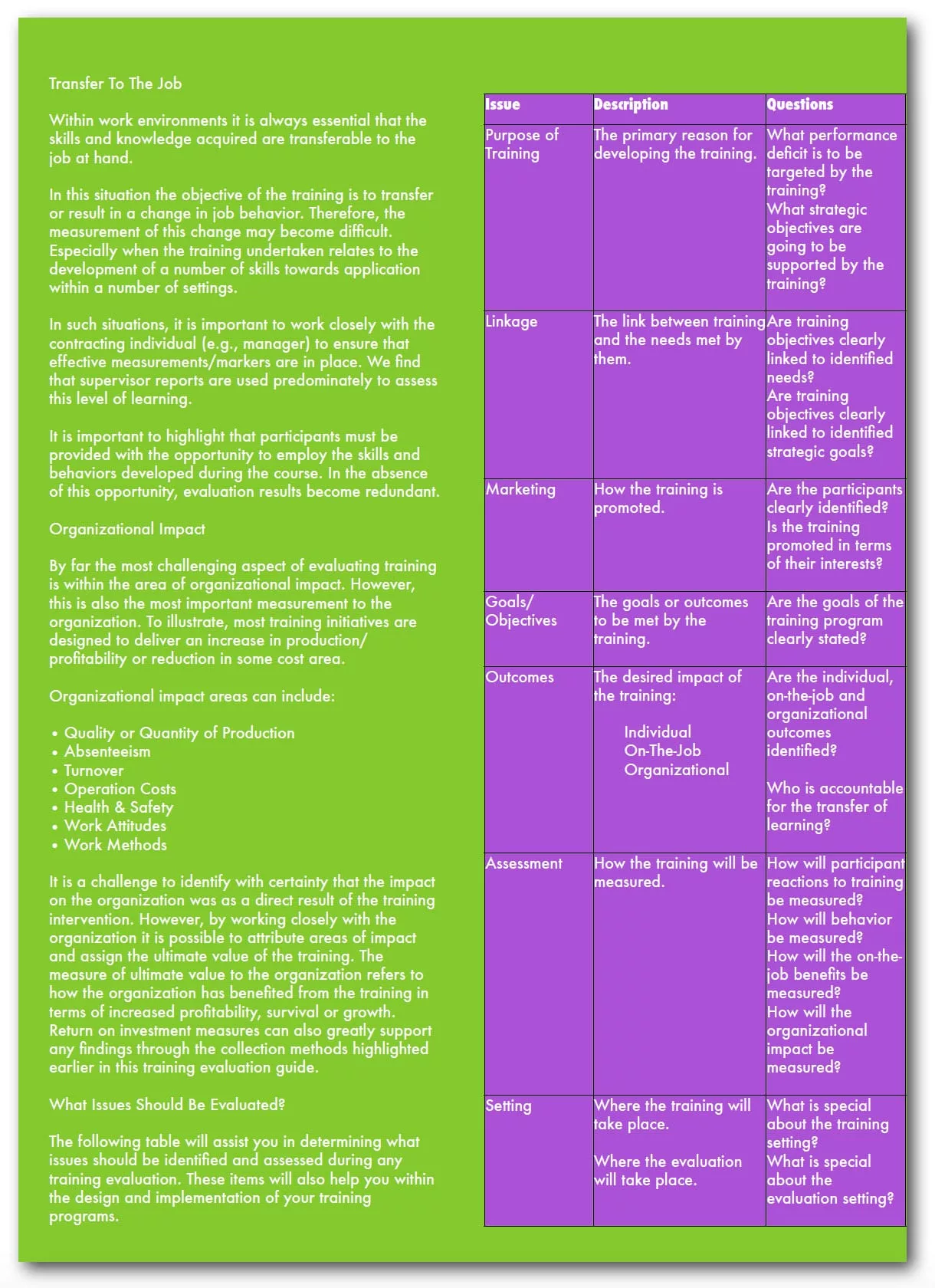
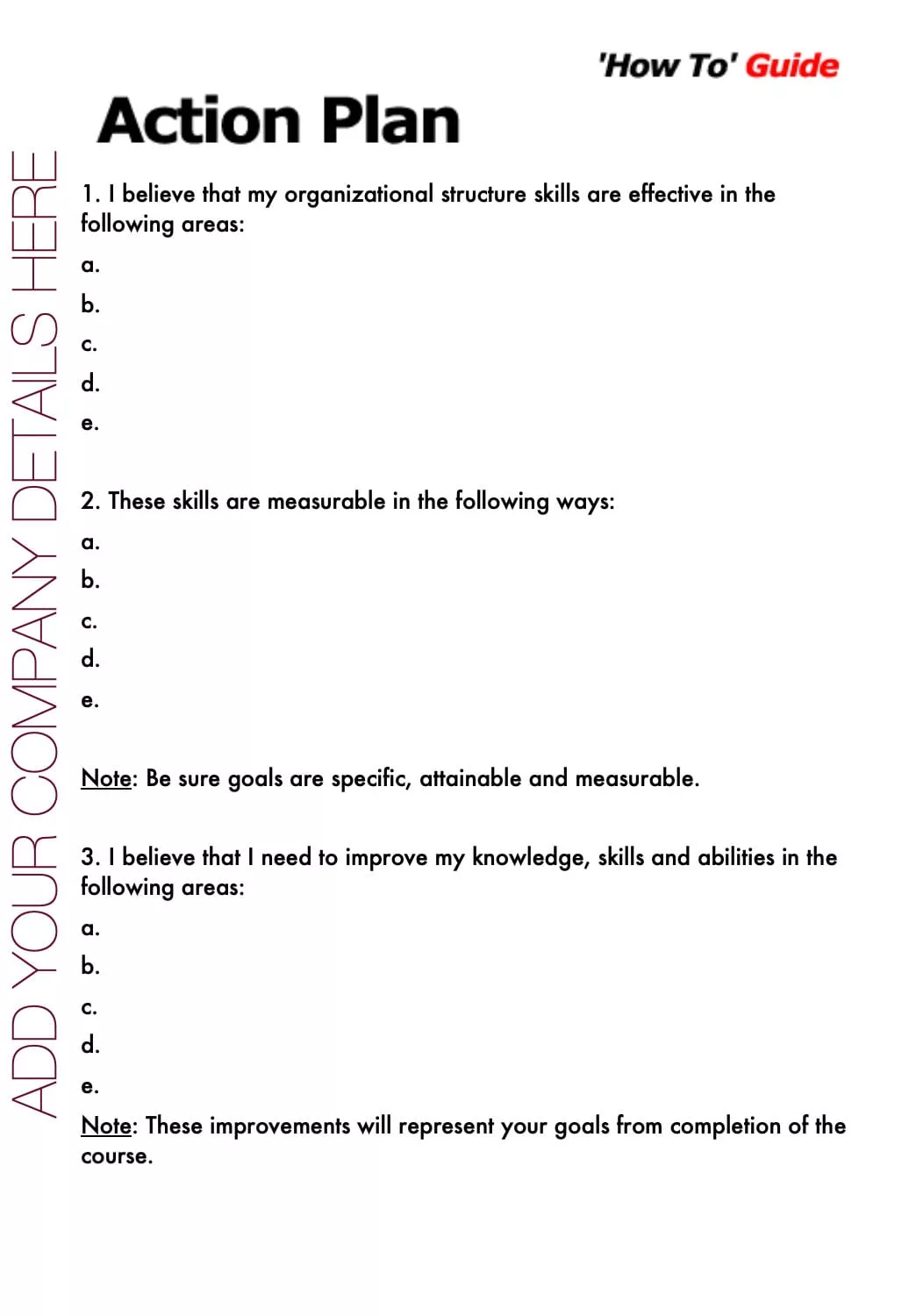
We intentionally use generic backgrounds and titles, so you can easily rebrand and customize everything as your own.
No subscriptions. No recurring fees. No attribution required.
What Trainers Say.
★★★★★ “Oak creates self-contained, practical, and easy-to-use training modules… with personal service.” – Rey Carr, Peer Resources.
★★★★★ “This program is ready to go! Complete and comprehensive as I’ve ever seen.” – Dave Benak, TrainingPays.
★★★★★ “Courses are laid out so well and spark natural dialogue… Most thorough content you can find.” – Bryon Jennings.
★★★★★ “The notes for facilitator were simple and easy to follow.” – Tracey O’Shea, Forest Laboratories.
63 editable slides • Full instructor guide • 49-page workbook • 17 activities • Instant download • Use forever
Meet Our Customers.
























Explore More Strategic Management Training Materials.
-

Business Basics: Training Kit
$97.00 - Full Toolkit Add to cart -

Corporate Structure Skills: Complete White-Label Course (PPT & Word)
$97.00 - Full Toolkit Add to cart -

Decision Making Skills: Professional Training Courseware
$97.00 - Full Toolkit Add to cart -

How To Develop Strategic Leaders: 1-Day Complete Course (White-Label)
$97.00 - Full Toolkit Add to cart -

Marketing Skills: Editable PowerPoint & Manuals
$97.00 - Full Toolkit Add to cart -

Strategic Performance Skills (Facilitator Guide, Workbook + Tests)
$97.00 - Full Toolkit Add to cart -

The Strategic Manager’s Training Kit
$97.00 - Full Toolkit Add to cart

Meet Catherine, the passionate mind behind Oak Innovation. For more than 30 years, she’s been creating practical, engaging courses that help trainers, L&D professionals, managers, and consultants save valuable preparation time. Her goal is simple: make course creation easier, so you can spend less time preparing and more time delivering great training.