Job Design Training Course Materials For HR & Organizational Development.
Many workplace problems begin with poorly designed jobs and unclear responsibilities.
When roles are confusing or workloads become unbalanced, productivity and motivation begin to drop.
- Employee engagement decreases.
- Workflows become inefficient.
- Role confusion increases.
- Productivity becomes inconsistent.
- Employee turnover rises.
This Job Design Training Course helps participants create more effective roles, improve workflow efficiency, strengthen accountability, increase employee motivation, and support higher levels of organizational performance.

Focused On Creating Roles That Improve Performance, Engagement, And Organizational Success.
This course is particularly well suited to:
- HR professionals, managers, and team leaders who want to design roles that improve employee engagement, motivation, and performance.
- Professionals involved in workforce planning, organizational restructuring, or role redesign initiatives.
- Individuals seeking practical approaches such as job enrichment, job enlargement, and job characteristics theory to improve job effectiveness.
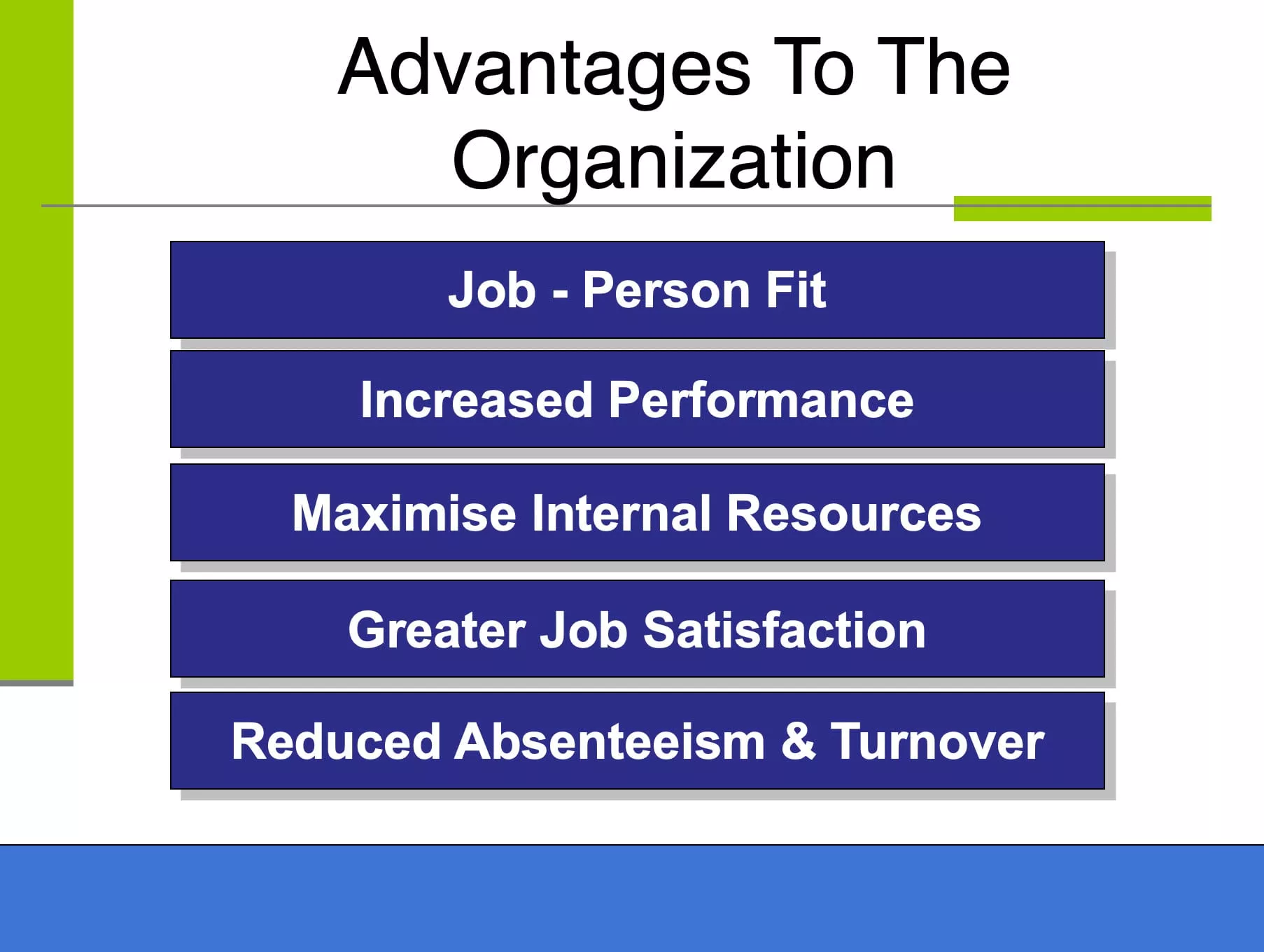
- Leaders who want to improve job-person fit by aligning employee strengths, skills, and motivations with role requirements.
- Learning and development professionals supporting employee satisfaction, productivity, and career development initiatives.
- Organizations committed to reducing turnover and absenteeism while creating more meaningful, motivating, and well-structured roles.
Learning Objectives.
By the end of your course, participants will:
- Understand the core principles of effective job design.
- Apply various job design models to enhance role satisfaction and performance.
- Develop strategies to align job roles with organizational objectives.
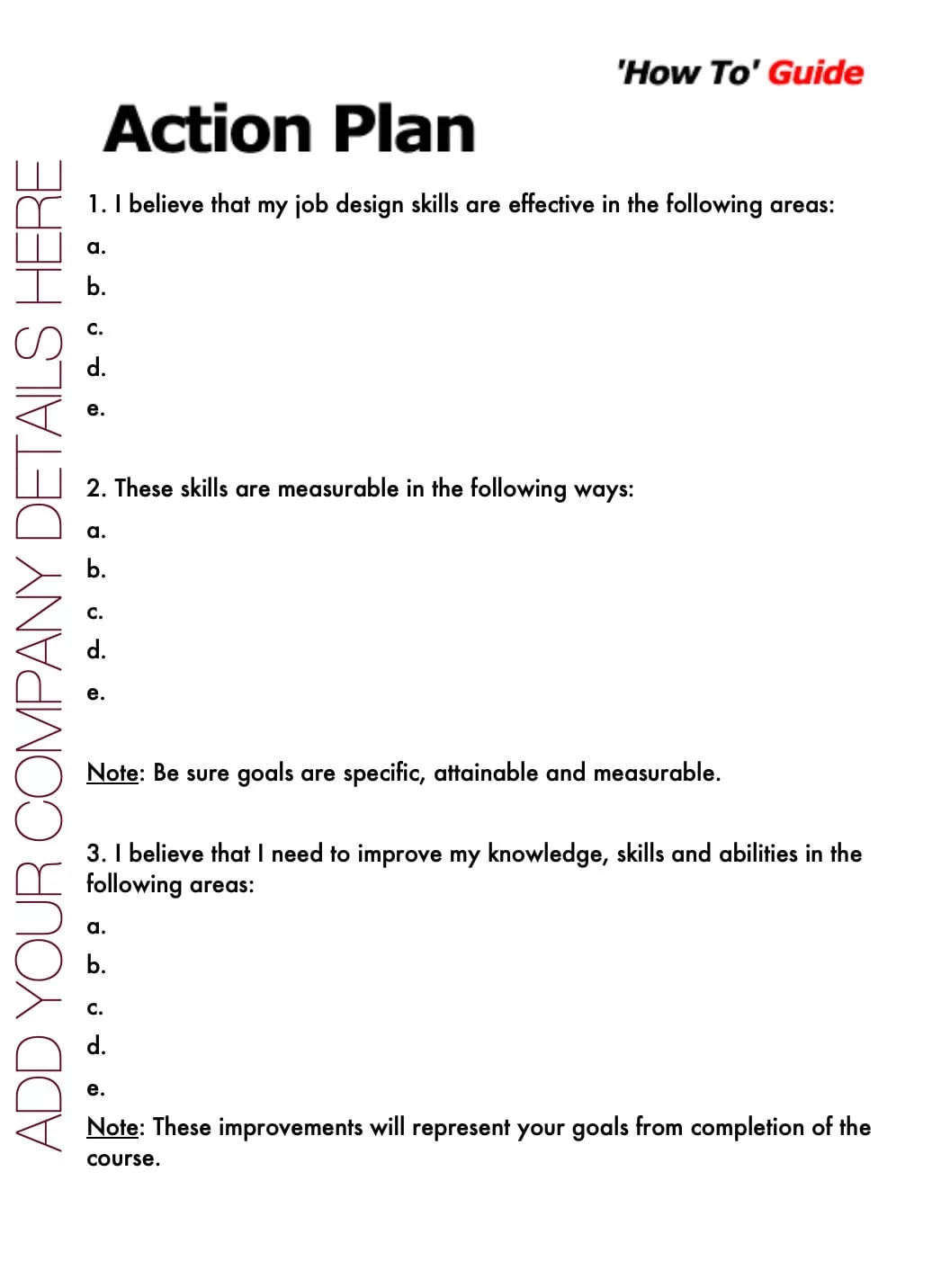
- Create actionable plans to redesign roles within their teams or organizations.
Course Outline.
Participants learn how effective job design improves productivity, employee engagement, and organizational performance.
They gain practical tools to structure roles, responsibilities, and workflows, increasing motivation, reducing inefficiencies, and helping employees perform at their best.
1. Foundations of Effective Job Design
Job design influences how employees perform, collaborate, and contribute to organizational success.
This module introduces the principles of job design and explains how well-designed roles can improve both business results and employee satisfaction.
- Understand the purpose and importance of job design.
- Explore the relationship between job design and organizational performance.
- Recognize how job structure influences productivity and morale.
- Identify common job design challenges and their impact.
- Understand the benefits of aligning roles with organizational needs.
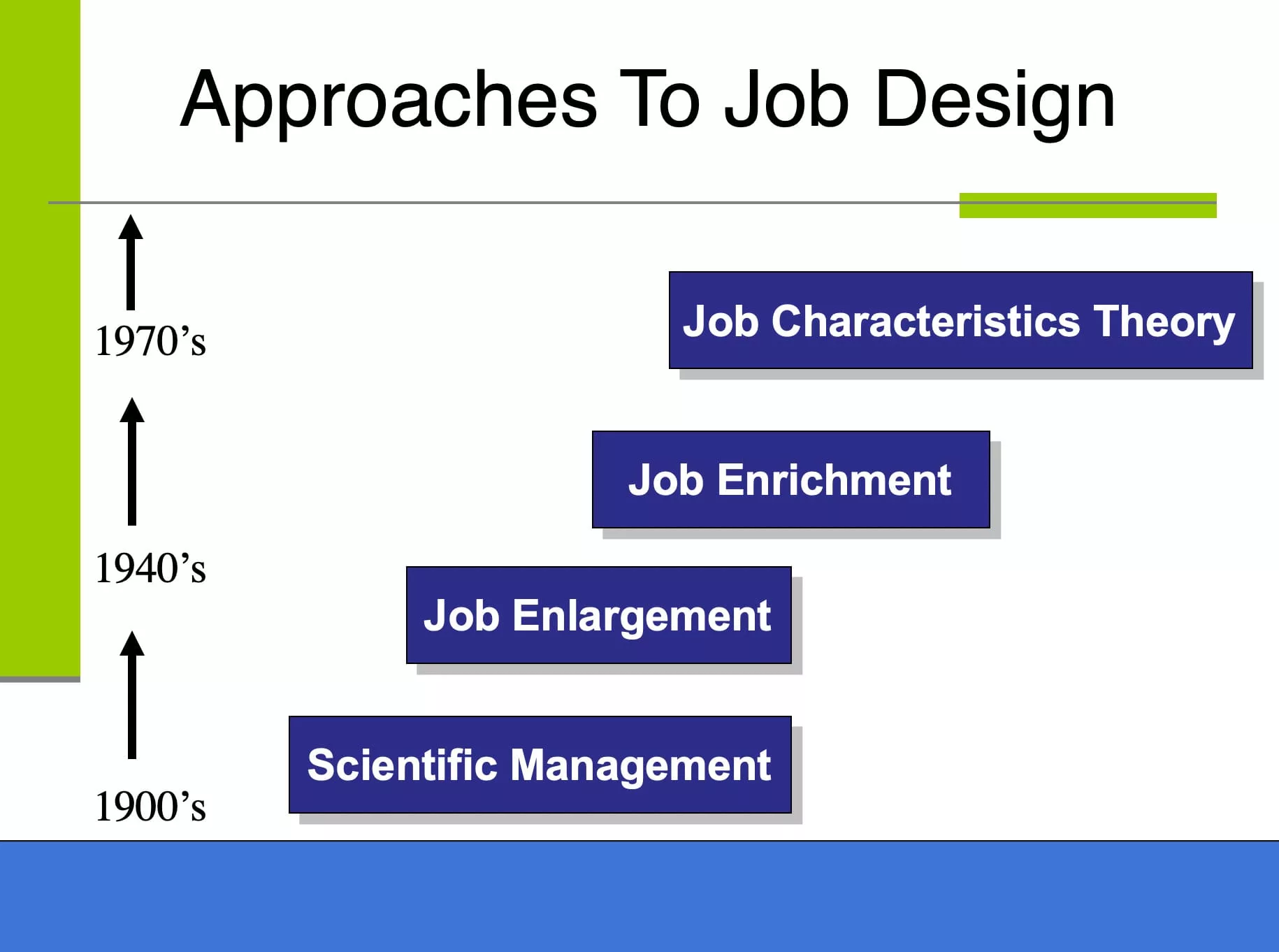
2. Key Approaches to Job Design
Organizations use different job design approaches depending on their objectives, workforce, and operating environment.
Participants explore established job design models and learn when each approach may be most effective.
- Understand the principles of scientific management and work design.
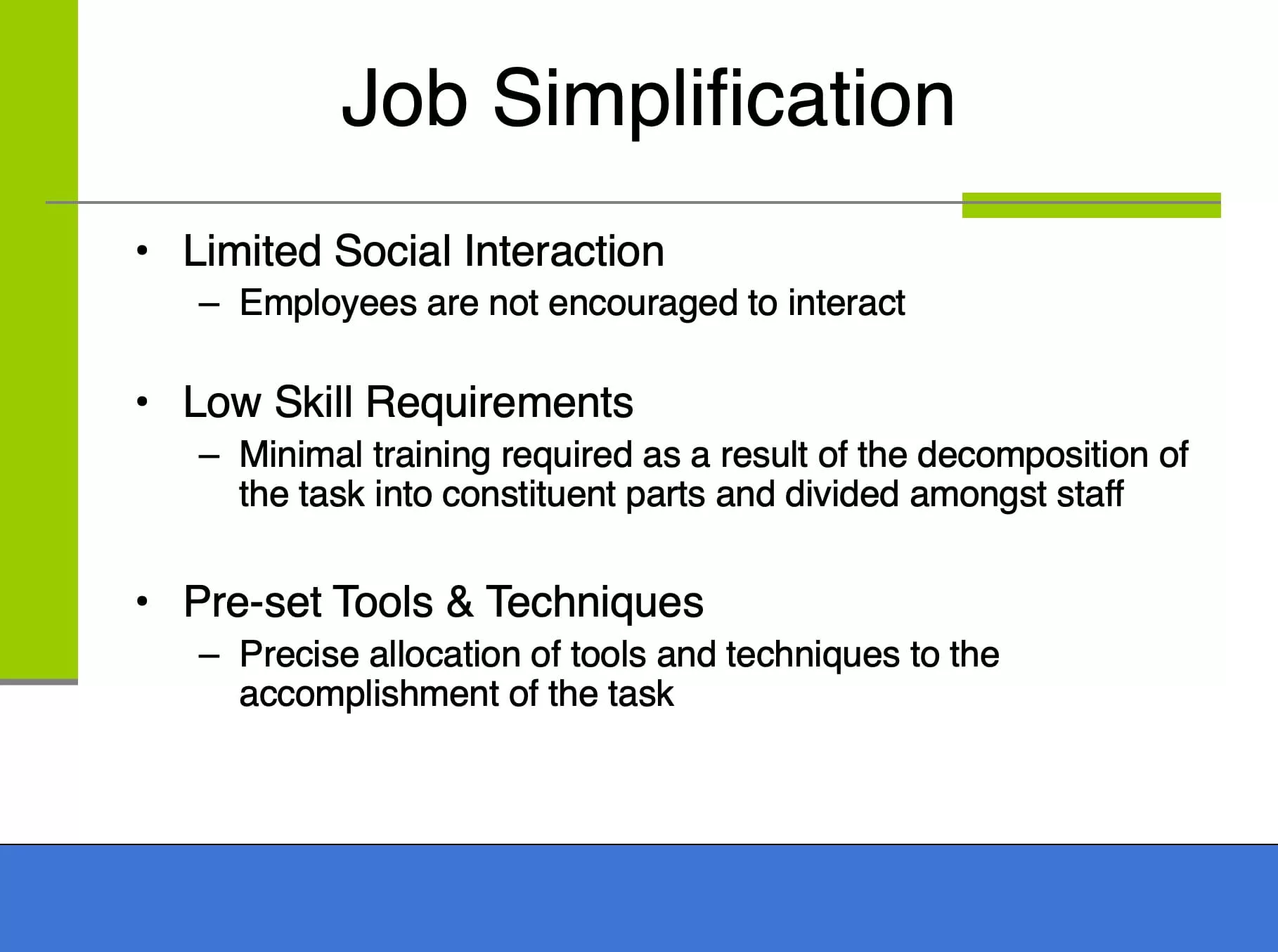
- Explore job simplification techniques and their applications.
- Evaluate the benefits and limitations of simplified job structures.
- Understand how job enrichment can improve motivation and engagement.
- Identify approaches that best fit different organizational situations.
3. Improving Employee Motivation Through Job Design
Employees are more engaged when they understand their responsibilities, see value in their work, and have opportunities to contribute.
This module demonstrates how job design can strengthen motivation, ownership, and performance.
- Increase employee involvement and participation.
- Create more meaningful and engaging work experiences.
- Improve role clarity and performance expectations.
- Strengthen accountability and personal ownership.
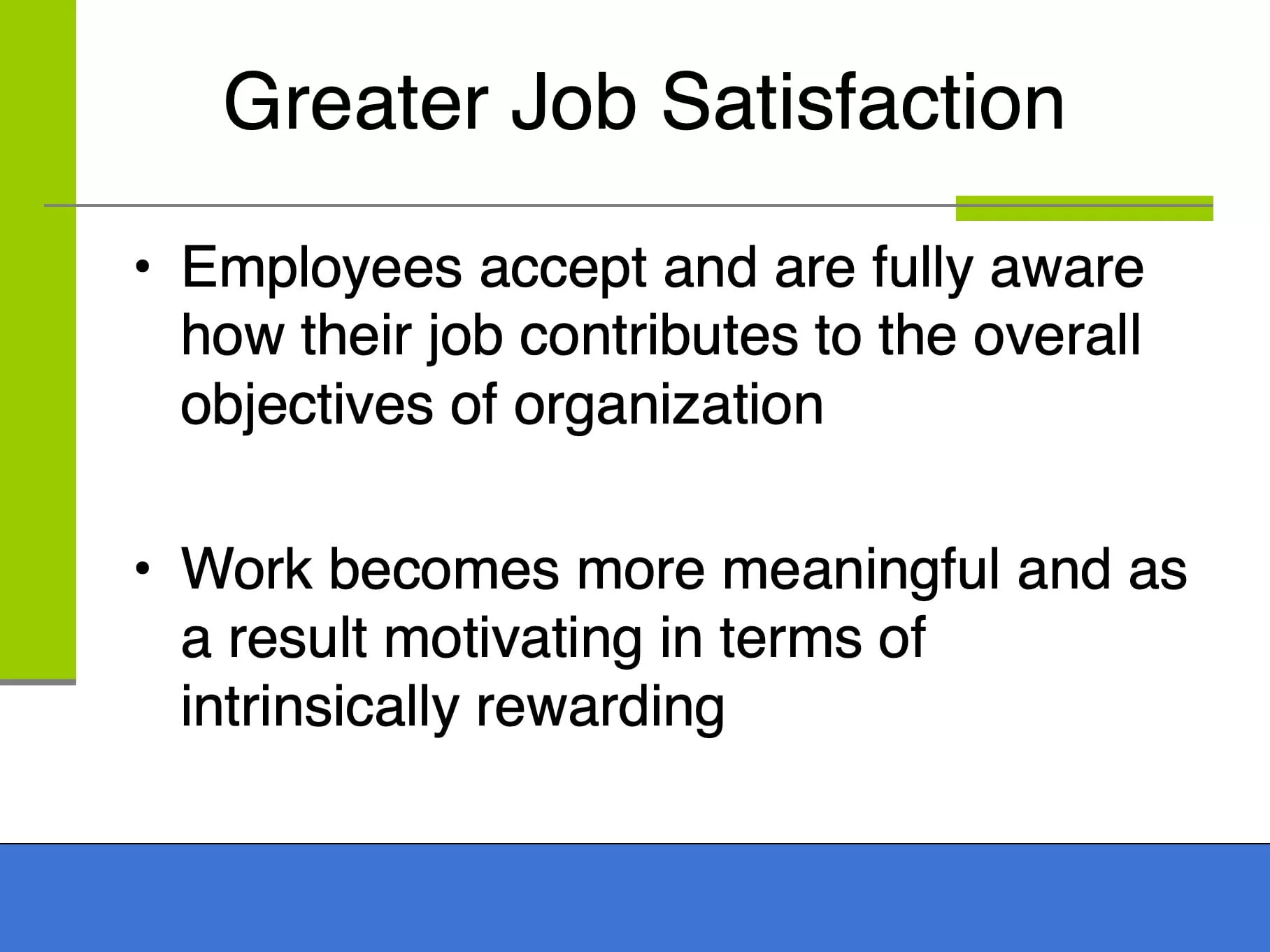
- Support higher levels of motivation and job satisfaction.
4. Building More Efficient Workflows
Well-designed workflows help employees work more effectively while reducing unnecessary delays and duplication.
Participants learn how to analyze work processes and improve the flow of activities across teams and departments.
- Identify workflow bottlenecks and inefficiencies.
- Improve the organization of tasks and responsibilities.
- Reduce duplication of effort and wasted resources.
- Create smoother and more efficient work processes.
- Support greater productivity across teams and functions.
5. Supporting Long-Term Organizational Performance
Effective job design supports both current performance and future organizational needs.
Participants learn how to align roles with strategic objectives while creating structures that support growth, flexibility, and workforce development.
- Align job roles and responsibilities with business goals.
- Support more effective workforce planning.
- Create opportunities for employee growth and development.
- Develop job structures that adapt to changing business needs.
- Improve organizational agility and long-term performance.
Job Design Training For Employee Engagement And Organizational Performance.
Effective job design helps organizations improve productivity, strengthen employee engagement, reduce turnover, and create clearer accountability.
These Job Design Training Materials help participants apply proven approaches such as job enrichment, job enlargement, workflow redesign, and role optimization to improve both employee satisfaction and business performance.
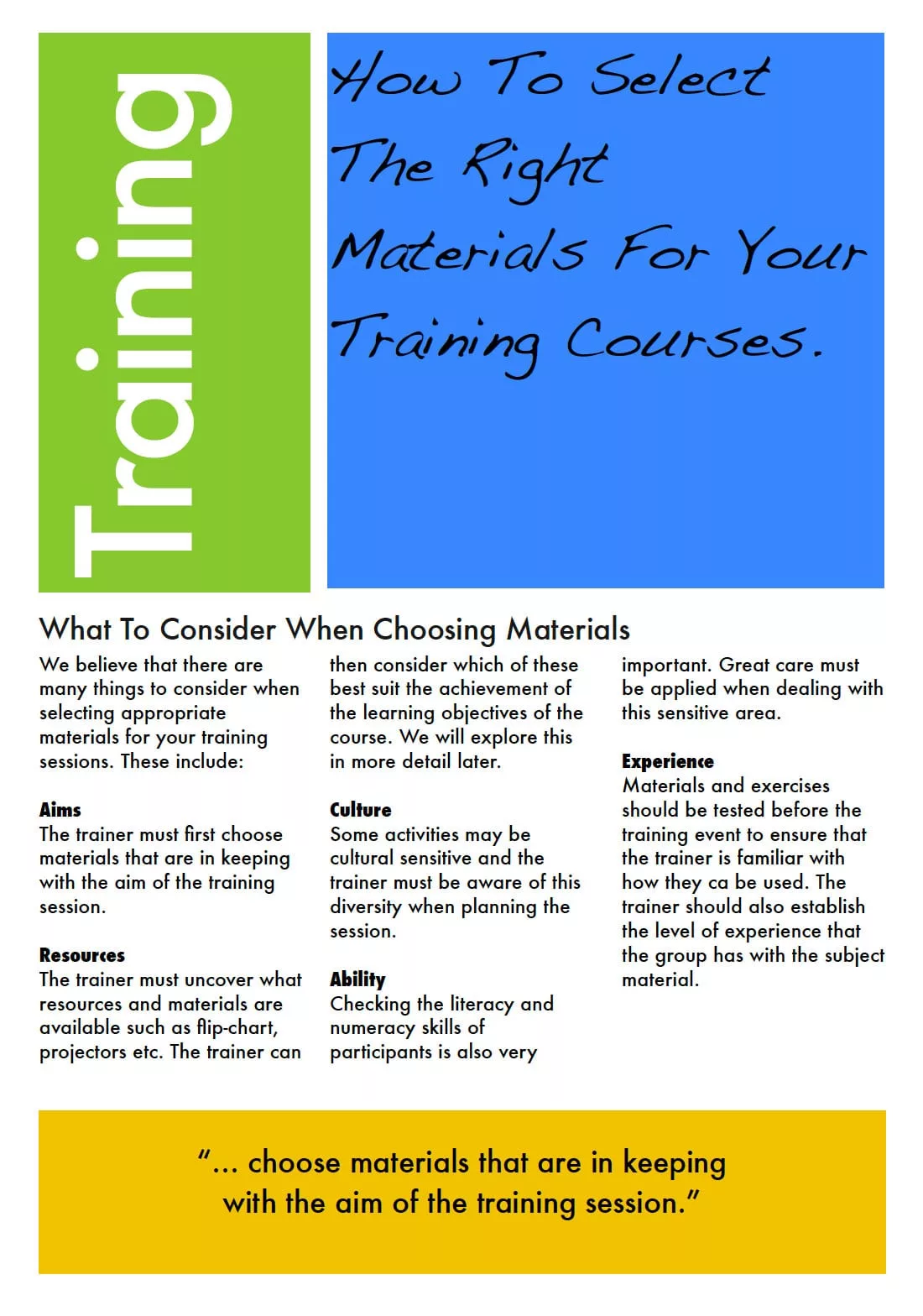
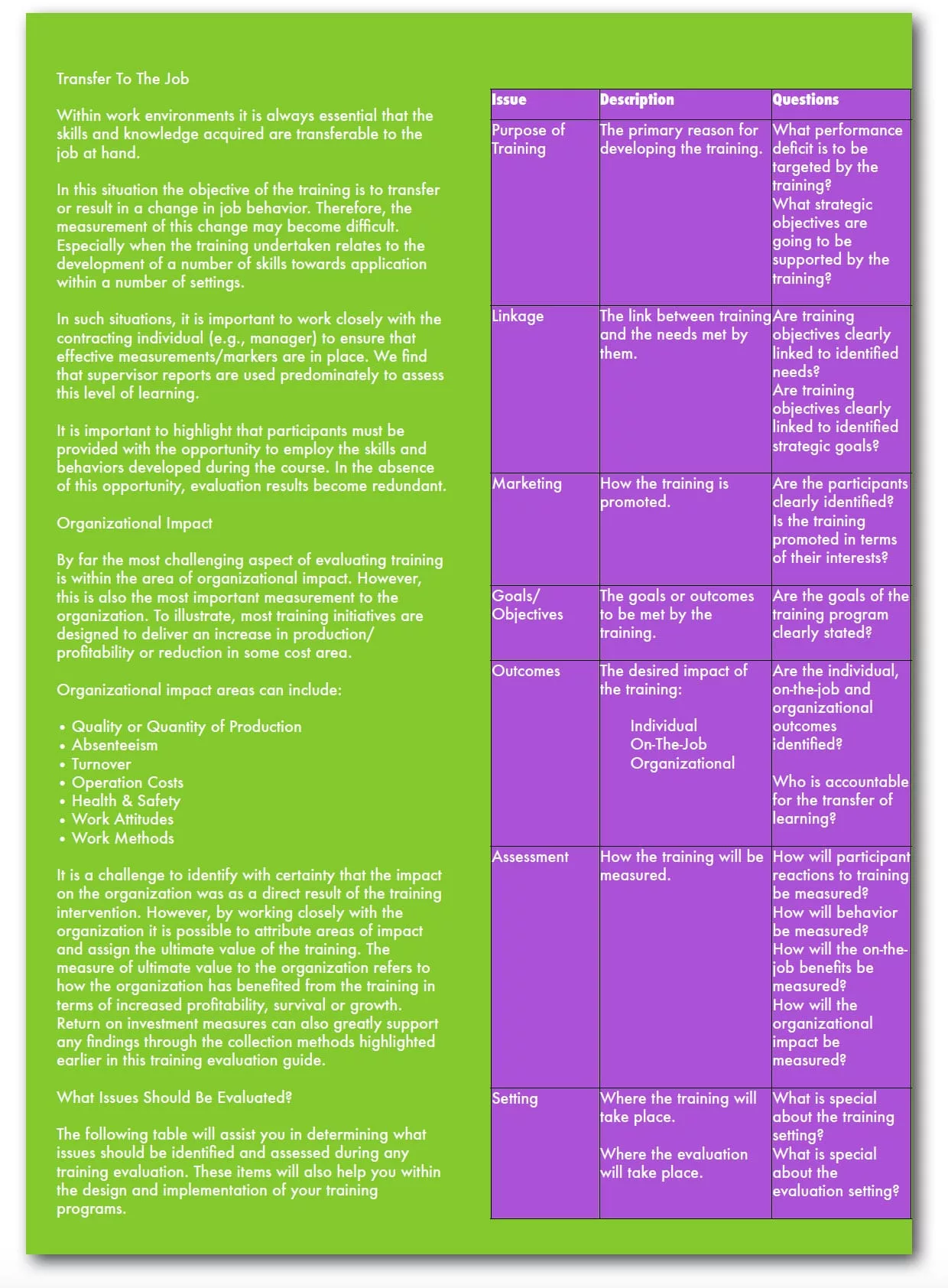
The editable training materials include facilitator guides, participant workbooks, exercises, activities, and presentation slides designed for immediate delivery.
Easy To Deliver
The materials are written in a practical step-by-step format that makes delivery straightforward and engaging.
Trainers can confidently facilitate the workshop using the detailed instructor guide, participant activities, and ready-to-use course materials.
Enabling Trainers To Focus On Delivery Instead Of Content Creation.
Customization & Flexibility
Editable formats tailored to any industry or audience.
★★★★★ “Edit, customize (logos, etc.), and deliver as many times as you like — you own it forever.” – Tom Heck, Intl. Assoc. of Teamwork Facilitators.

★★★★★ “Excellent for customization while maintaining core knowledge… Increased participant activities.” – Theadus McClain, FKP Architects.

★★★★★ “Flexibility in customization is your greatest USP—perfect foundation to build on.” – Arun Data, Escorts Heart Institute.
★★★★★ “Highly adaptable across government, commercial, and private sectors.” – James L. Steward.
Frequently Asked Questions.
What is job design?
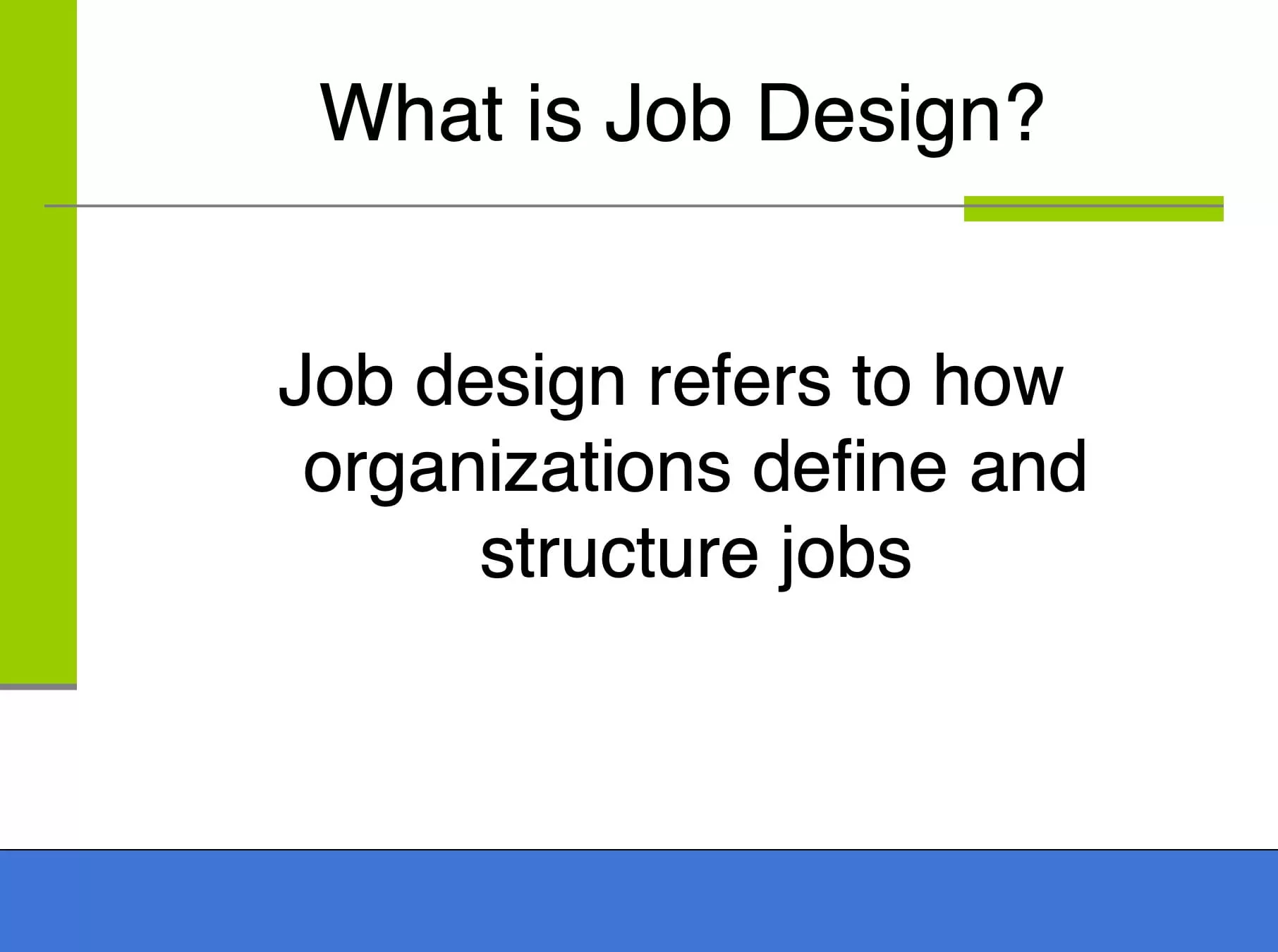
Job design is the process of structuring roles, responsibilities, workflows, and tasks to improve employee performance, engagement, and organizational effectiveness.
How does job design improve employee motivation?
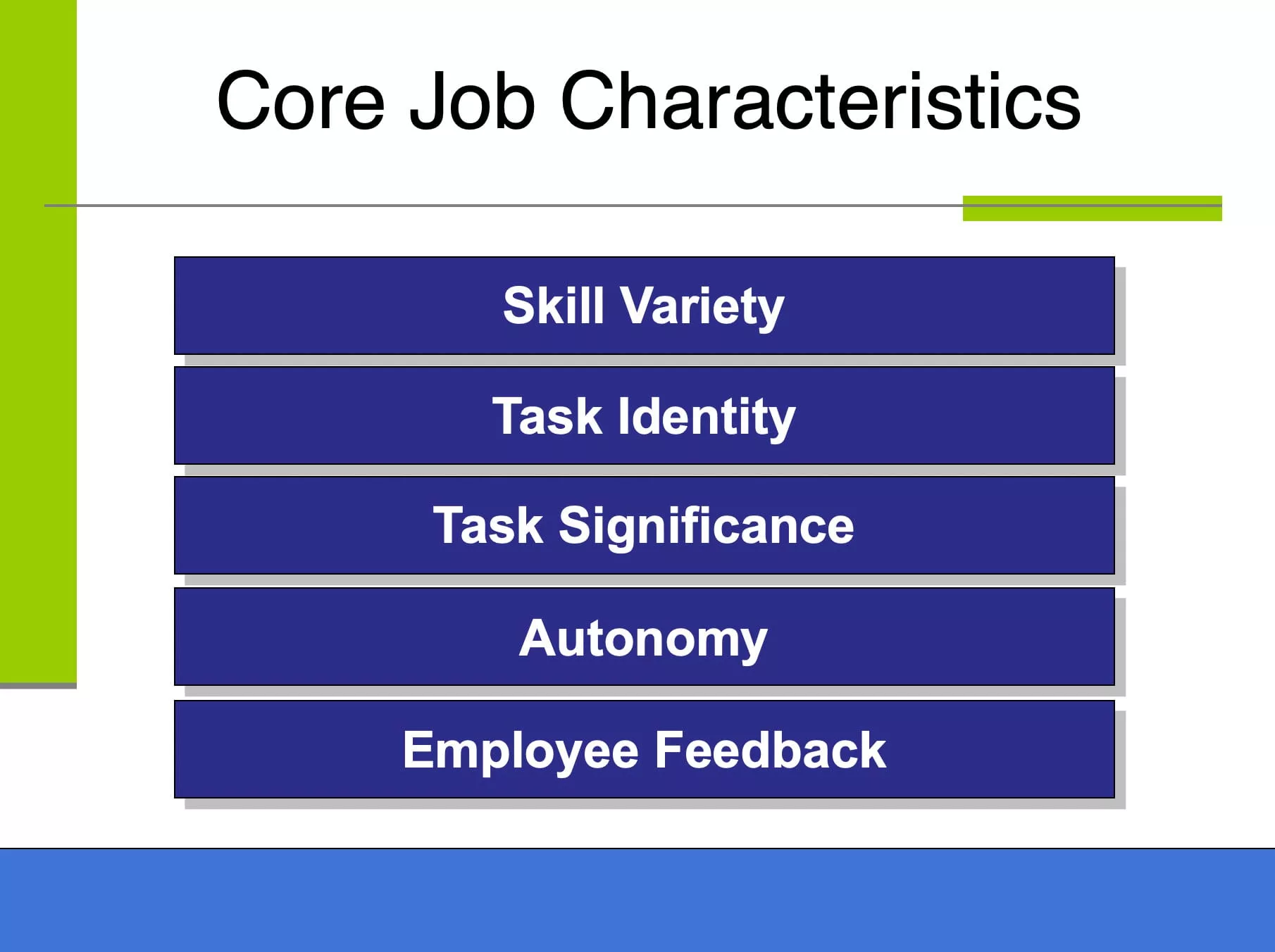
Effective job design increases role clarity, autonomy, ownership, skill development, and meaningful work, helping employees remain engaged and productive.
Does this course cover job enrichment and job enlargement?
Yes. Participants learn practical approaches including job enrichment, job enlargement, workflow redesign, and role optimization.
How quickly can I deliver this training course?
You can start as soon as you customize it. The agenda, slides, activities, and instructor notes are already prepared, helping you get ready quickly.
What content do I get?
Download a complete one-day training course right away. It includes 61 customizable slides, a 46-page instructor guide, a 39-page workbook, and 17 activities.
Can I edit and rebrand all of the materials?
Yes. All files are fully editable, allowing you to add your own branding, customize examples, and use the course across different teams or clients.
Is this suitable for virtual delivery as well as in-person?
Yes. The course is designed to work well in both virtual and classroom environments.
Do I need HR or job design experience to deliver it?
The instructor guide provides clear prompts and step-by-step guidance, making it easy to deliver the course with confidence.
Can I reuse it across multiple teams or clients?
Yes. It is designed to be delivered again and again without rebuilding the course each time.
This toolkit helps you run a one-day job design training course that gives participants the skills to create clearer roles, improve performance, and support better ways of working.