How To Teach A Course On Organuzational Issues Without Creating Any Content From Scratch.
Now you can give your participants structured ways to examine workplace issues, understand their organizational impact and explore practical responses.
For more ways to teach organizational challenges, take a look at Organizational Behavior Skills, Corporate Culture, and Organizational Structure.
Who Are These Organizational Issues Training Materials For?
These ready-to-use training course materials are used by corporate trainers, independent consultants, HR professionals, educators, and people managers.
What’s Covered In This Organizational Issues Training Course Material?
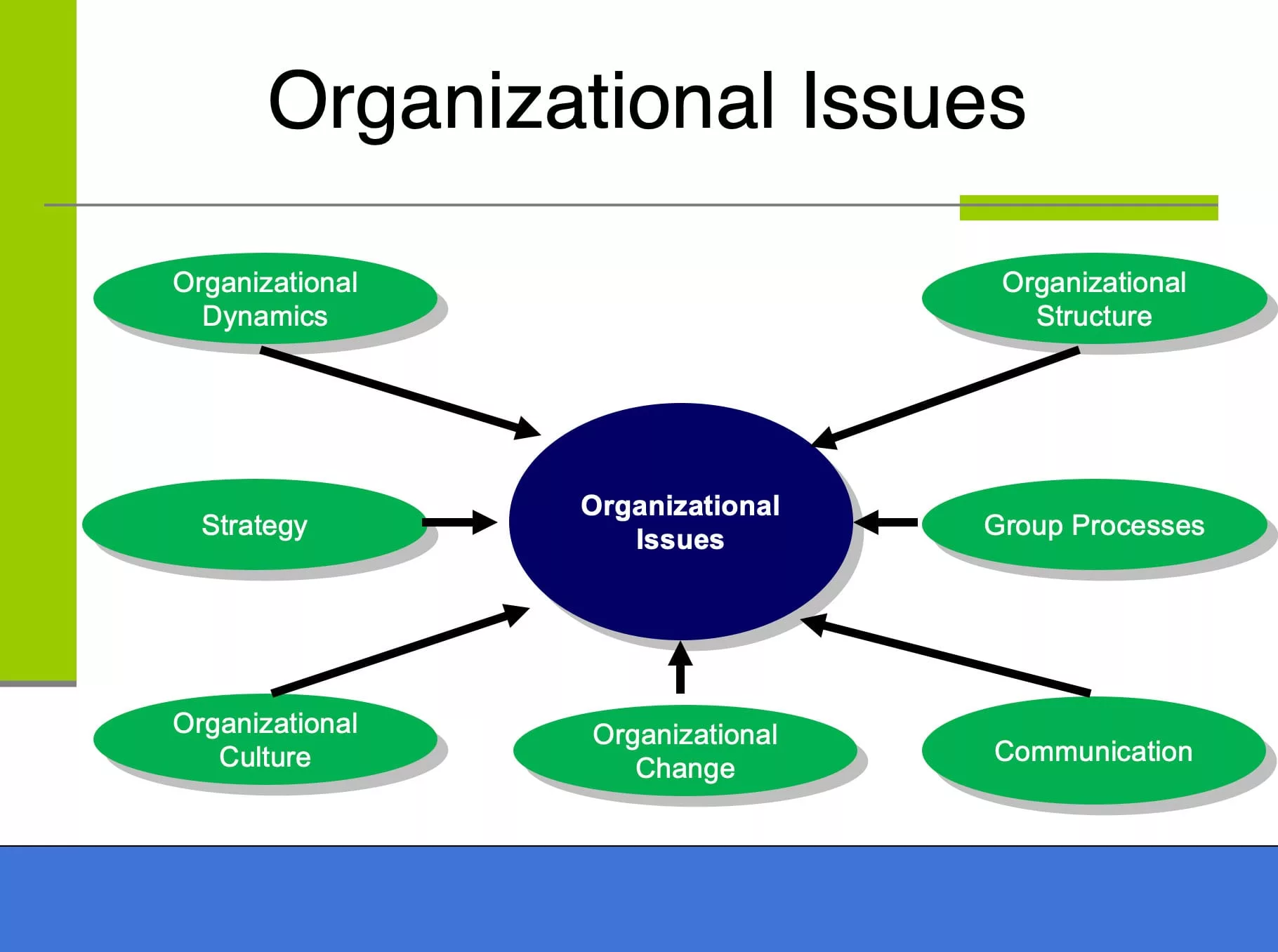
1. Seven key business areas
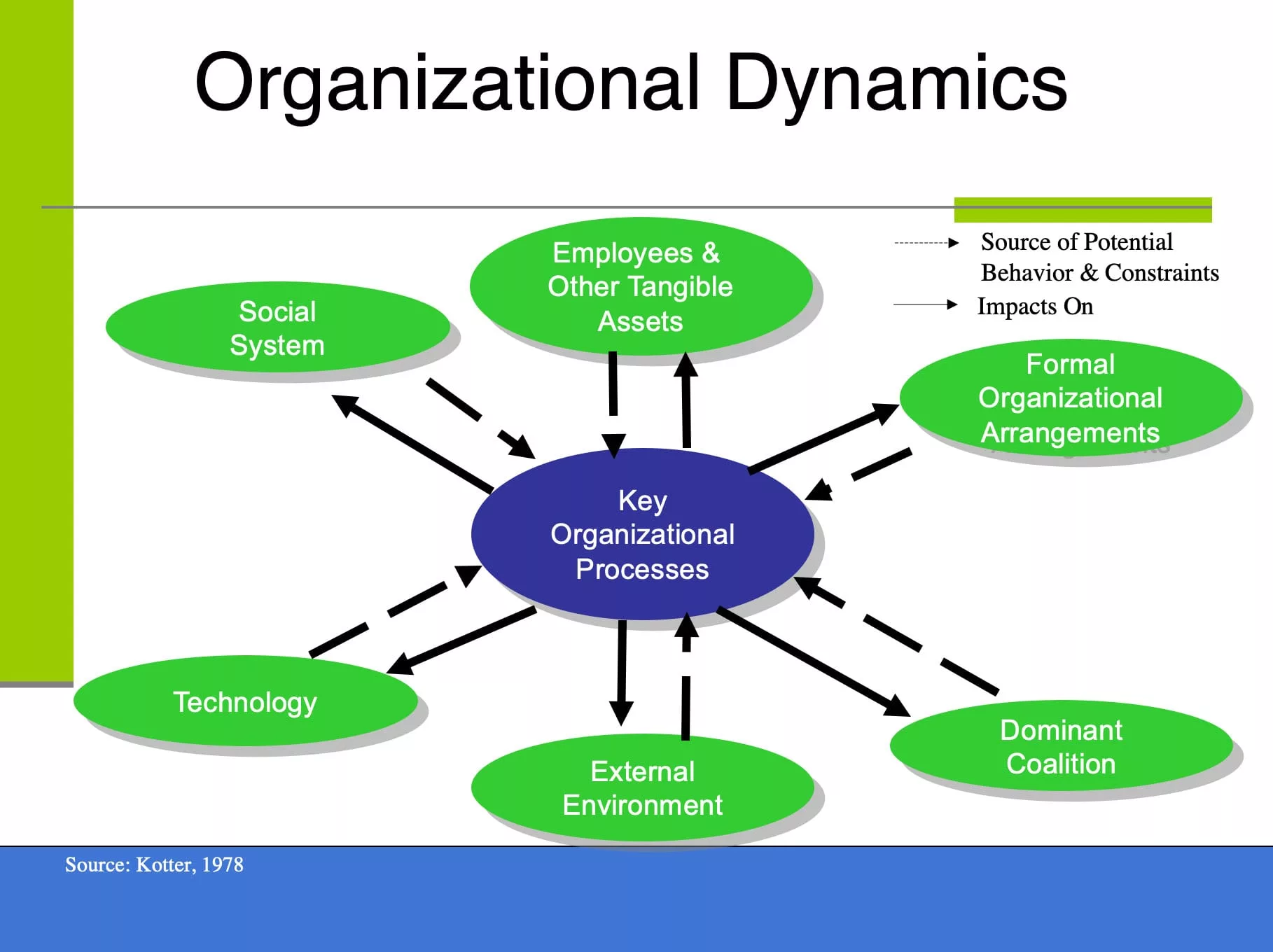
- Organizational and corporate dynamics.
- Organizational structure.
- Group processes.
- Communication.
- Organizational change.
- Corporate culture.
- Strategic management.
2. Organizational structure and success
- Approaches to organizational structure.
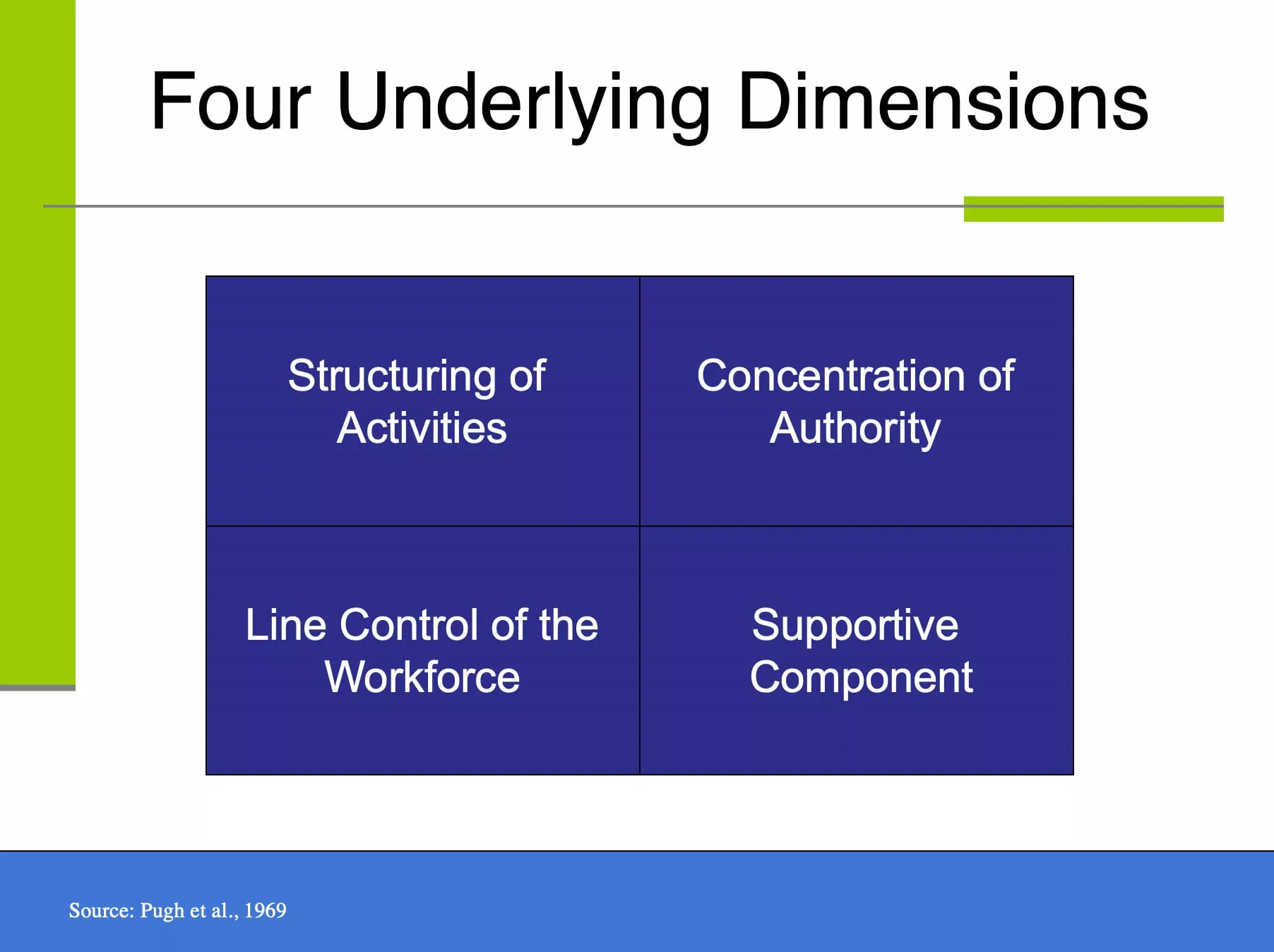
- Key concepts and dimensions of organizational structure.
- Structuring of activities.
- Line control of the workforce.
3. Group dynamics skills
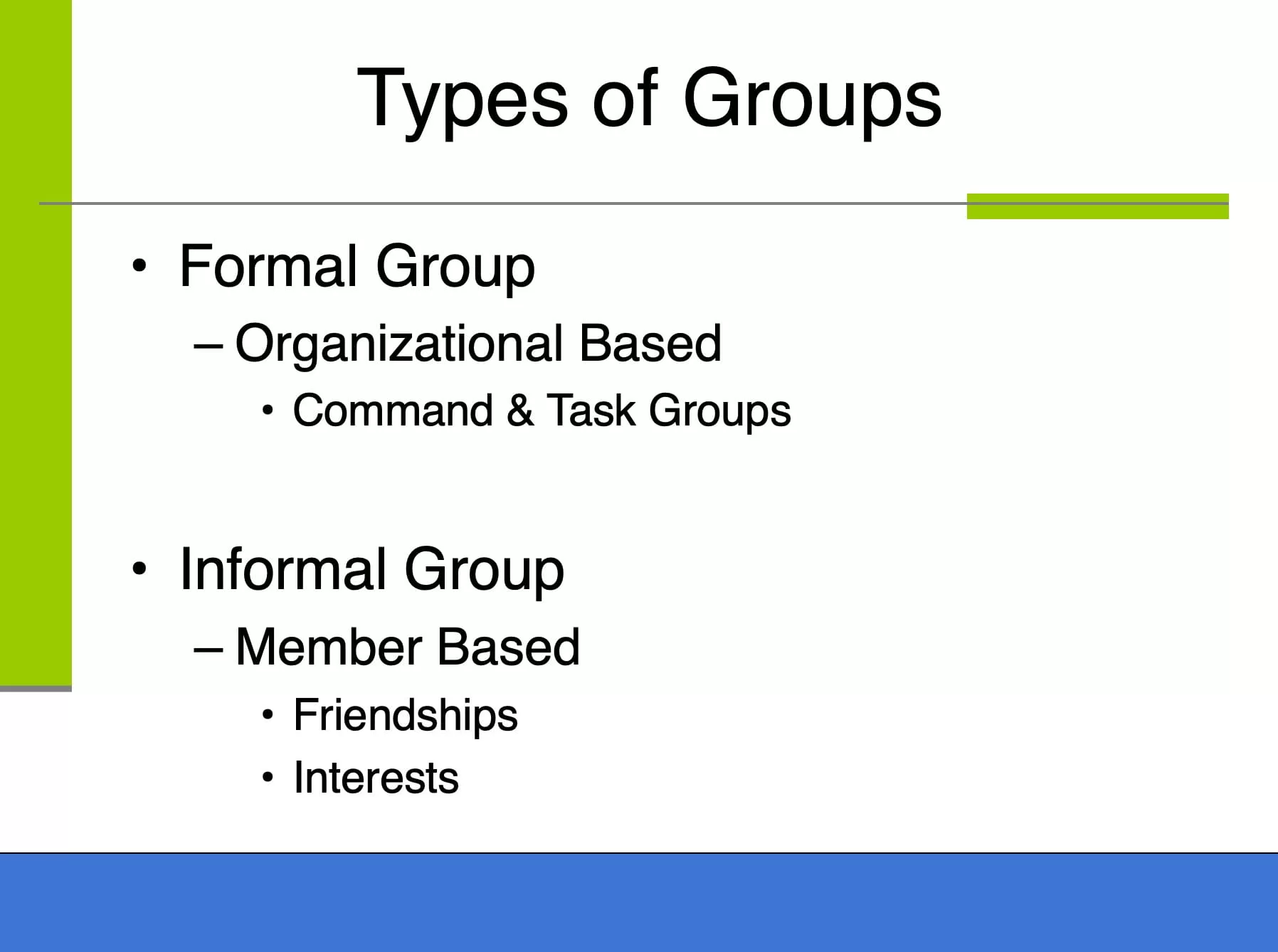
- Types of groups.
- The relationship between groups and performance factors.
- The phases of socialization.
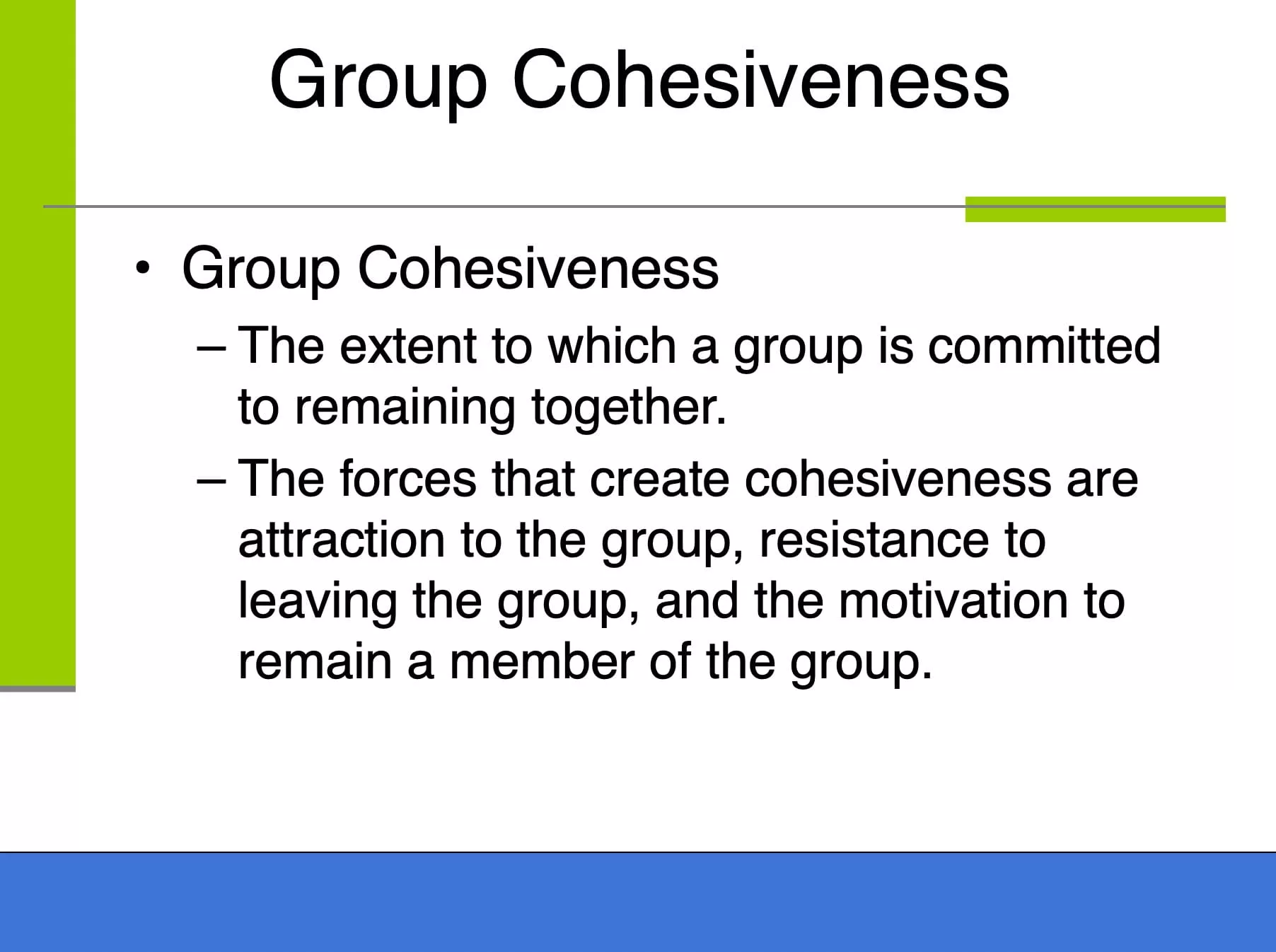
- Factors and consequences of group cohesiveness.
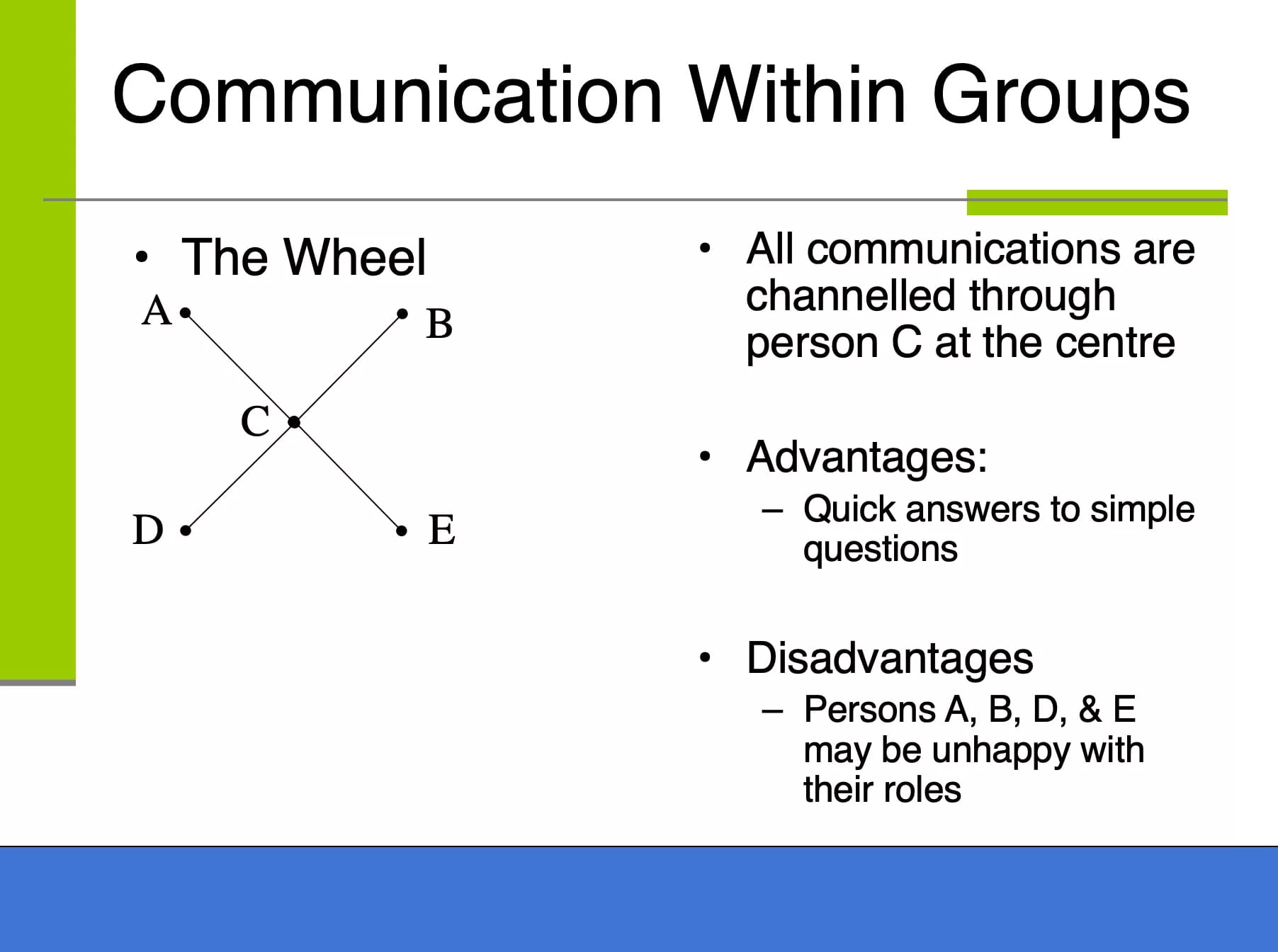
- The different types of communication across groups.
4. Change management skills
- What is change?
- How to diagnose the need for change.
- Unfreezing, changing, and refreezing tactics.
- Driving and restraining forces for rebalancing the “change equilibrium”.
5. Positive organizational culture
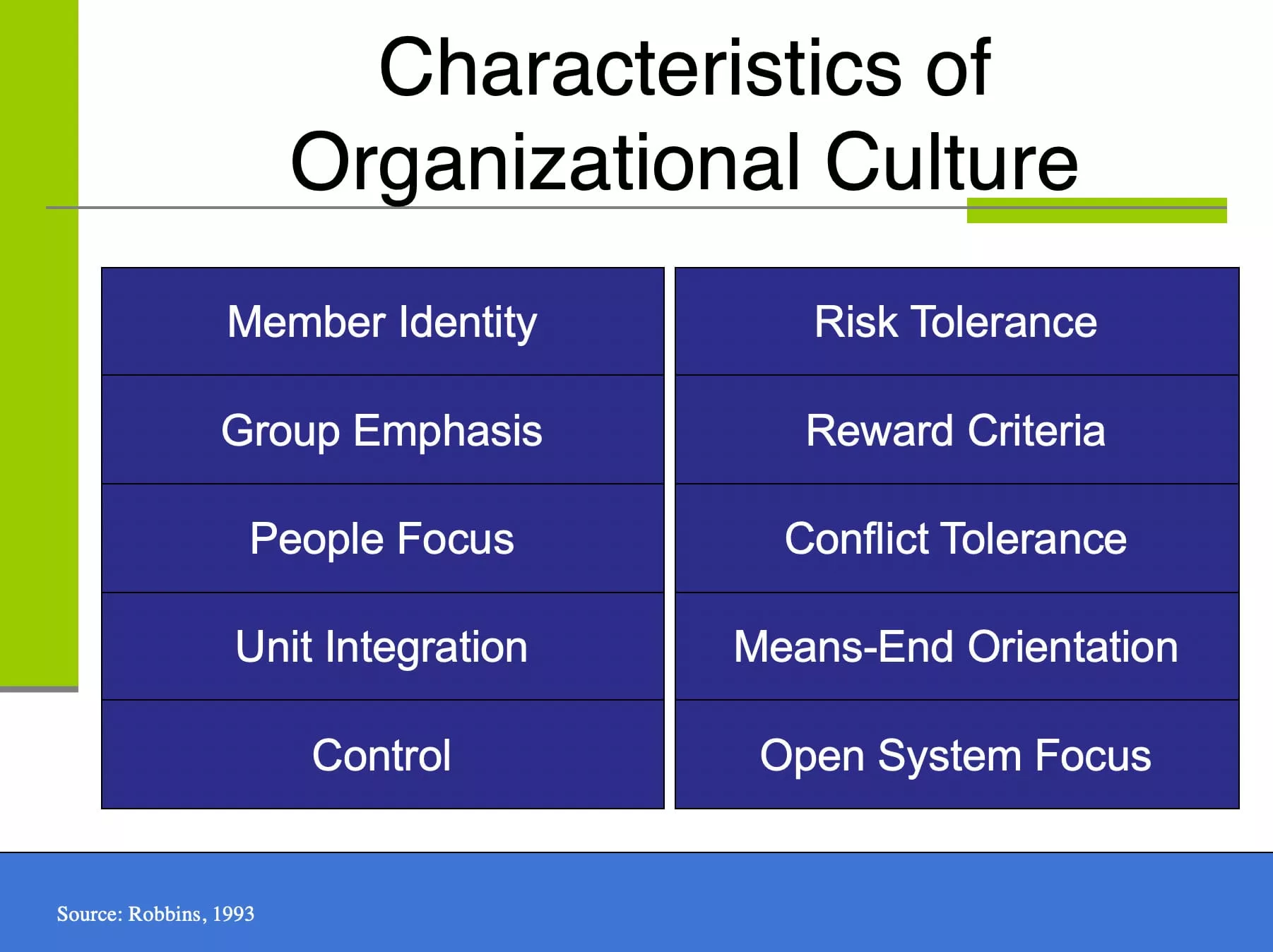
- The various characteristics of corporate culture.
- The different types of culture.
- Key images of organizations.
6. Strategic management skills
- Strategic management initiatives.
7. Strategy
- What is organizational strategy?
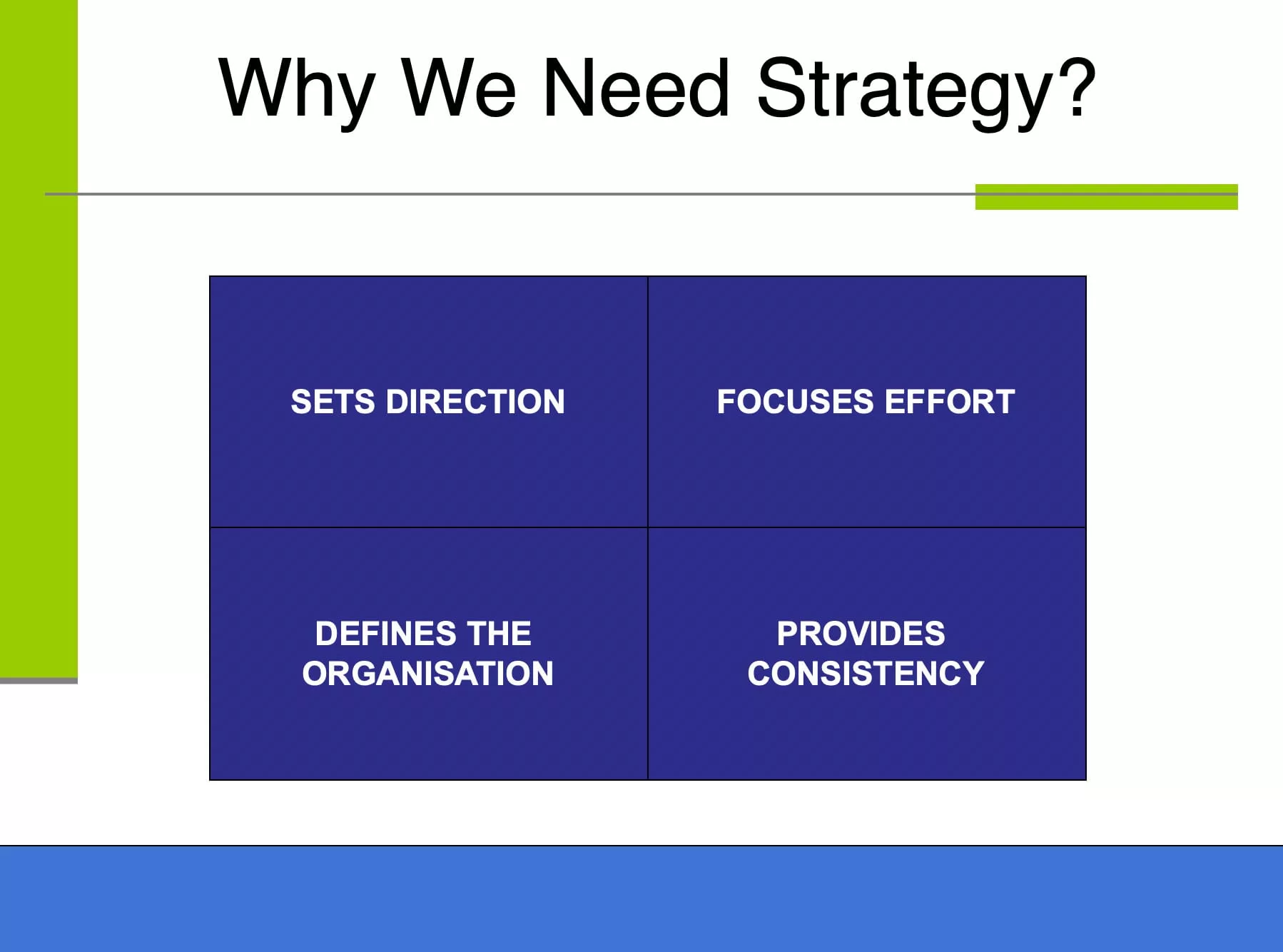
- How a strategy sets a direction for a company.
- How a strategy will define a company.
- Focusing effort and providing consistency within a company.
Free Organizational Issues Workshop Preview.
Below are sample materials from this course.
We intentionally use generic backgrounds and titles, so you can easily rebrand and customize everything as your own.

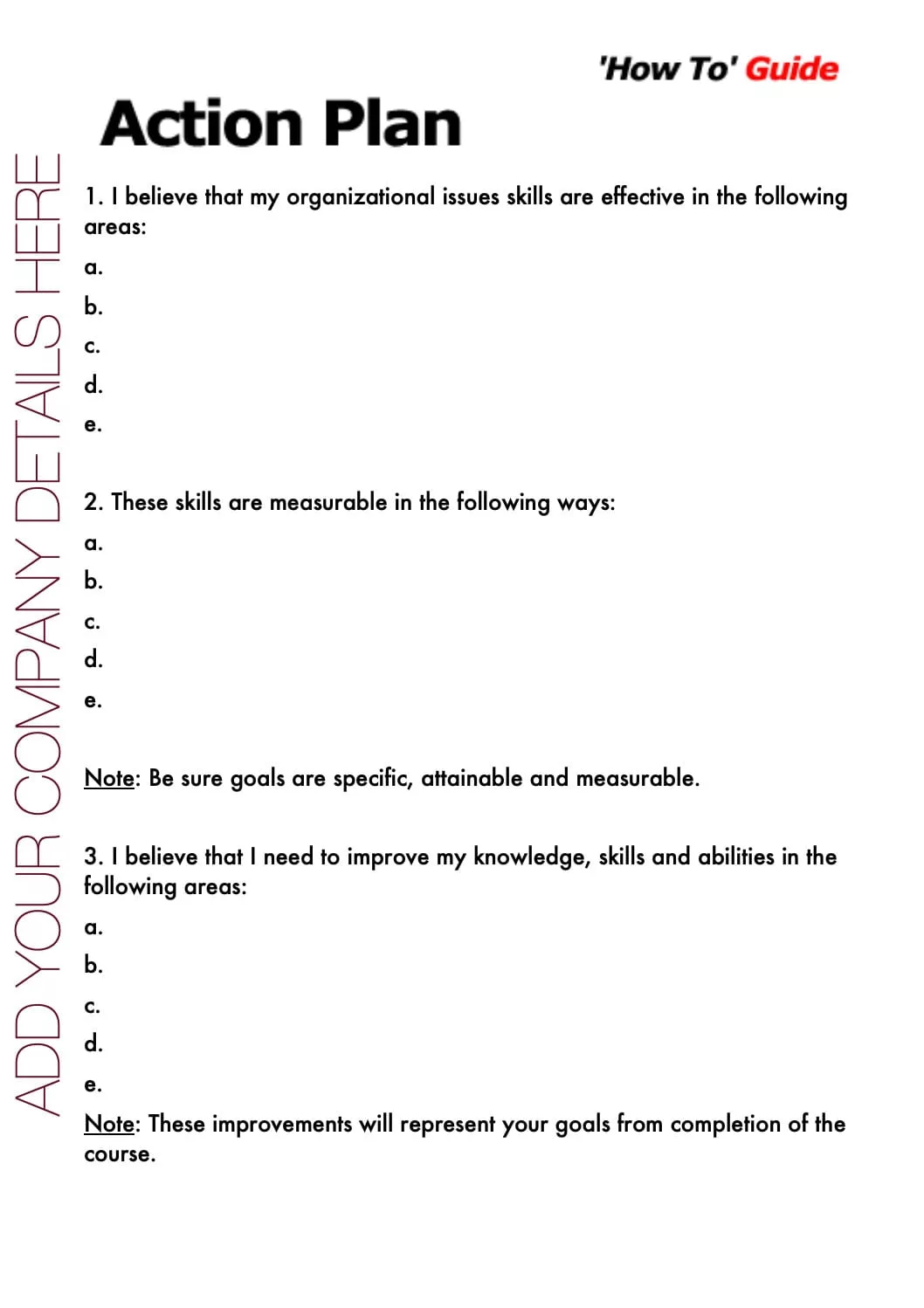
No subscriptions. No recurring fees. No attribution required.
What Trainers Actually Say.
★★★★★ “1,000% impressed… Best material I’ve seen, and the price is outstanding.” – Loretta Thirtyacre, COUNTRY Insurance.
★★★★★ “Great value for money — trainers’ notes, slide pack, and delegate workbook all included.” – Pauline Weddell.
★★★★★ “Saved coaches countless hours of program development time for a once-off cost.” – Sylva K. Leduc, SAGE Leaders.
★★★★★ “Purchased the full suite years ago and still refer back—professional and full of info.” – Christy Crump, Crump & Associates.
Frequently Asked Questions.
Who should attend Root Cause Analysis training?
Root Cause Analysis training is ideal for managers, team leaders, HR professionals, organizational development specialists, consultants, quality professionals, and anyone responsible for improving workplace performance. It is also valuable for professionals involved in continuous improvement, problem solving, process improvement, or operational excellence.
Does Root Cause Analysis training teach practical root cause analysis techniques?
Yes. Participants learn how to identify recurring problems, analyze organizational systems, uncover root causes, and develop practical solutions. They use structured approaches that help distinguish underlying causes from the symptoms of workplace problems.
How does Root Cause Analysis improve organizational effectiveness?
Root Cause Analysis helps organizations understand how structure, communication, culture, leadership, strategy, and change influence business performance and organizational effectiveness. Addressing underlying causes rather than recurring symptoms supports better decision-making, stronger processes, and continuous improvement.
Is Root Cause Analysis training focused on practical workplace challenges?
Yes. Effective Root Cause Analysis training focuses on real organizational issues and practical tools that can be applied immediately. Participants develop structured problem-solving skills they can use across a wide variety of workplace situations.
Does Root Cause Analysis training help teams diagnose causes rather than symptoms?
Yes. Participants learn how to identify patterns, investigate evidence, uncover root causes, and develop solutions that address the underlying issues. This approach reduces recurring problems and supports more sustainable organizational improvements.
What should a complete Root Cause Analysis training program include?
A comprehensive Root Cause Analysis course should include presentation slides, an instructor guide, participant workbook, and practical problem-solving activities. Quality materials also provide facilitator guidance, discussion exercises, analytical frameworks, workplace scenarios, and action planning resources that support immediate workplace application.
Is Root Cause Analysis training suitable for managers and team leaders?
Yes. Root Cause Analysis training helps managers and team leaders investigate problems objectively, make informed decisions, and support continuous improvement. The techniques are relevant across leadership, operations, quality, HR, and project management roles.
Should Root Cause Analysis training include structured activities?
Yes. A well-designed Root Cause Analysis course should include practical activities, facilitator notes, discussion exercises, and workplace case studies. Hands-on exercises help participants build confidence in applying analytical techniques to real workplace challenges.
Can Root Cause Analysis training materials be reused across different teams or clients?
Yes. Slides, participant workbooks, and instructor guides should all be supplied in editable formats. You can customize examples, terminology, workplace scenarios, and branding to suit different organizations, industries, or client groups.
How quickly can you prepare and deliver Root Cause Analysis training?
Most facilitators customize professional training materials in 30 to 60 minutes and deliver the workshop the same week. Preparation usually involves adding branding, reviewing facilitator notes, selecting relevant workplace examples, and tailoring activities to the audience.
Can you teach Root Cause Analysis without previous facilitation experience?
Yes. A comprehensive instructor guide provides step-by-step instructions, facilitation guidance, and practical advice for leading discussions about workplace problems, analysis techniques, and continuous improvement. Even first-time trainers can confidently deliver engaging Root Cause Analysis workshops using professionally developed training materials.
The Real Cost Of Waiting.
Every day you don’t have this toolkit is another day you’re:
- Watching organizations apply the same temporary fixes to the same permanent problems — and calling it management.
- Missing organizational effectiveness engagements because you have nothing ready.
- Saying “I need two weeks to prepare” instead of “I can do Tuesday.”
The next organizational effectiveness request is coming. Will you be ready?
78 editable slides • 69-page instructor guide • 62-page workbook • 17 activities • Instant download • Use forever
Used By Training Teams Worldwide To Deliver Complete Corporate Programs In A Fraction Of The Time.



































Helping Teams Save Weeks Of Development Time On Every Training Program.








What Your Participants Will Learn.
By the end of this training program, your participants will:
- Identify key organizational issues.
- Understand key business dynamics.
- Implement strategic management best practices.
- Understand the importance of organizational culture.
- Appreciate the value of supportive structures.
- Understand the role of groups.
- Appreciate various types of communication skills.
- Understand and manage change.
Course Outline.
Your participants will develop a practical understanding of how organizations function, adapt, and achieve success.
They learn how structure, culture, leadership, communication, strategy, and change management influence organizational performance and discover practical ways to improve effectiveness across teams and departments.
1. Understanding Organizational Dynamics
- Understand the principles of organizational structure and behavior.
- Explore communication, decision-making, and workplace interactions.
- Recognize the impact of group dynamics on performance.
- Understand how culture and strategy influence organizational success.
- Improve collaboration across teams and departments.
- Identify factors that support effective organizational performance.
2. Organizational Structure and Success
- Understand the advantages and challenges of different organizational structures.
- Explore workflow design and operational processes.
- Identify opportunities to improve organizational efficiency.
- Understand accountability, authority, and control systems.
- Align organizational design with business objectives.
3. Group Dynamics and Team Performance
- Understand different types of workplace groups and teams.
- Improve communication and collaboration within teams.
- Manage group cohesiveness and team relationships effectively.
- Recognize factors that contribute to high-performing teams.
- Support stronger team productivity and engagement.
4. Change Management Skills
- Understand the drivers and challenges of organizational change.
- Identify situations that require change and improvement.
- Apply Lewin’s Change Management Model to workplace initiatives.
- Manage resistance to change professionally and constructively.
- Increase employee involvement and support during transitions.
- Improve the success rate of organizational change efforts.
5. Building a Positive Organizational Culture
- Recognize different types of workplace cultures.
- Improve employee engagement and commitment.
- Build stronger workplace relationships and collaboration.
- Encourage positive organizational behaviors.
- Create environments that support long-term success.
6. Strategic Management Skills
- Understand the purpose and value of strategic management.
- Align workplace activities with organizational objectives.
- Improve planning, prioritization, and resource allocation.
- Support stronger organizational focus and direction.
- Contribute more effectively to strategic initiatives.
7. Understanding Organizational Strategy
- Understand the role of strategy in organizational success.
- Learn how strategic objectives guide business direction.
- Improve alignment and consistency across teams and functions.
- Support stronger workplace decision-making.
- Understand how individual contributions support strategic goals.
Everything You Need To Deliver This Course Tomorrow.
The materials are written in a practical step-by-step format that makes delivery straightforward and engaging — even if you’ve never taught organizational effectiveness before.
- 78 customizable PowerPoint slides — your logo, your brand, your examples.
- 69-page instructor guide — scripted talking points, transitions, timing.
- 62-page participant workbook — print or share digitally.
- 17 proven activities & exercises — real root cause analysis scenarios, not theory.
- Lewin’s Change Model & organizational structure frameworks — ready to use in real diagnostic work.
- Full-day delivery flow — structured, ready to run in classroom, virtual, or hybrid.
All files are yours forever. No subscriptions. No recurring fees. No attribution required.
Costs less than one hour of an organizational development consultant’s time. Replaces 85+ hours of your own development work.
What Trainers Actually Say.
★★★★★ “1,000% impressed… Best material I’ve seen, and the price is outstanding.” – Loretta Thirtyacre, COUNTRY Insurance.
★★★★★ “Great value for money—trainer’s notes, slide pack, and delegate workbook all included.” – Pauline Weddell.
★★★★★ “Saved coaches countless hours of program development time for a once-off cost.” – Sylva K. Leduc, SAGE Leaders.
★★★★★ “Purchased the full suite years ago and still refer back—professional and full of info.” – Christy Crump, Crump & Associates.
78 editable slides • 69-page instructor guide • 62-page workbook • 17 activities • Instant download • Use forever
Organizations That Have Downloaded Oak Innovation Training Materials.






























Explore More Leadership Training Materials.
Build out your leadership development program with editable courses covering specialist leadership skills.
-

Change Leadership Skills
- Full Toolkit Read more -

Change Managent Skills
$80.00 - Full Toolkit Add to cart -

Coaching & Mentoring Skills
$80.00 - Full Toolkit Add to cart -

Corporate Culture Skills
$80.00 - Full Toolkit Add to cart -

Delegation In Leadership
$80.00 - Full Toolkit Add to cart -

Employee Motivation Skills
$80.00 - Full Toolkit Add to cart -

Group Dynamics
$80.00 - Full Toolkit Add to cart -

Issues In The Organization
$80.00 - Full Toolkit Add to cart -

Leadership Influence Skills
$80.00 - Full Toolkit Add to cart -

Leadership Skills
$80.00 - Full Toolkit Add to cart -

Management Skills For New Managers
$80.00 - Full Toolkit Add to cart -

Meeting Management Skills
$80.00 - Full Toolkit Add to cart

Meet Catherine, the passionate mind behind Oak Innovation. For more than 30 years, she’s been creating practical, engaging courses that help trainers, L&D professionals, managers, and consultants save valuable preparation time. Her goal is simple: make course creation easier, so you can spend less time preparing and more time delivering great training.