The Working Day Has Its Limits. Help Your Participants Make Better Use Of It.
Meetings run longer than expected. New requests interrupt planned activities. Deadlines compete for attention. Important tasks are postponed while more immediate demands take priority.
For many employees and managers, these are familiar workplace challenges.
Effective time management involves more than maintaining a task list or keeping a calendar organized. It requires an understanding of priorities, working habits, available resources, planning techniques, and the difference between productive work and simply staying busy.
For trainers, developing a workshop that brings these concepts together requires considerable preparation.
There are time management techniques to research, presentation slides to create, facilitator notes to prepare, and practical activities to develop.
Oak Innovation’s Time Management Training Courseware provides a professionally prepared foundation for delivering time management workshops without creating every training resource yourself.
You receive 74 editable PowerPoint slides, a 64-page trainer guide, a 53-page participant workbook, and 17 practical training activities.
Across seven core modules, participants explore time management fundamentals, established planning principles, productive work, crisis management, planning and stress, time management systems, and practical techniques for managing interruptions.
With the core training resources already prepared, you can concentrate on the scheduling difficulties, competing priorities, and workplace responsibilities relevant to your participants.
Download the complete training package, incorporate your own workplace examples, customize the resources, and deliver professional time management training under your own branding.
Give your participants the opportunity to examine how they use their time, without spending unnecessary hours developing the training itself.
Building a broader workplace effectiveness or employee development program? Complement this course with our dedicated training materials on personal productivity skills and work organization skills to explore related approaches to personal effectiveness, workload organization, and productive working practices.
Trusted By Training Professionals Developing More Effective Workplace Skills.







































Who Are These Time Management Training Materials For?
These editable time management training resources are designed for professionals delivering structured workshops on workplace planning, prioritization, scheduling, and personal effectiveness.
- Corporate trainers delivering time management and workplace effectiveness workshops.
- HR and learning and development professionals supporting employee development and management capability initiatives.
- Independent trainers and training consultants preparing customized time management workshops for their clients.
- Personal development trainers and coaches helping individuals examine their working habits and priorities.
- Managers and team leaders responsible for developing more consistent approaches to workload planning and time management.
- Management development professionals supporting new and experienced managers with competing workplace responsibilities.
- Educators and professional development facilitators delivering workshops on planning, prioritization, and effective working practices.
Whether you’re introducing essential time management principles to new employees, supporting busy management teams, or developing customized training for a client, you can adapt the materials to reflect your audience and learning objectives.
Learning Objectives.
By the end of your time management workshop, participants will be able to:
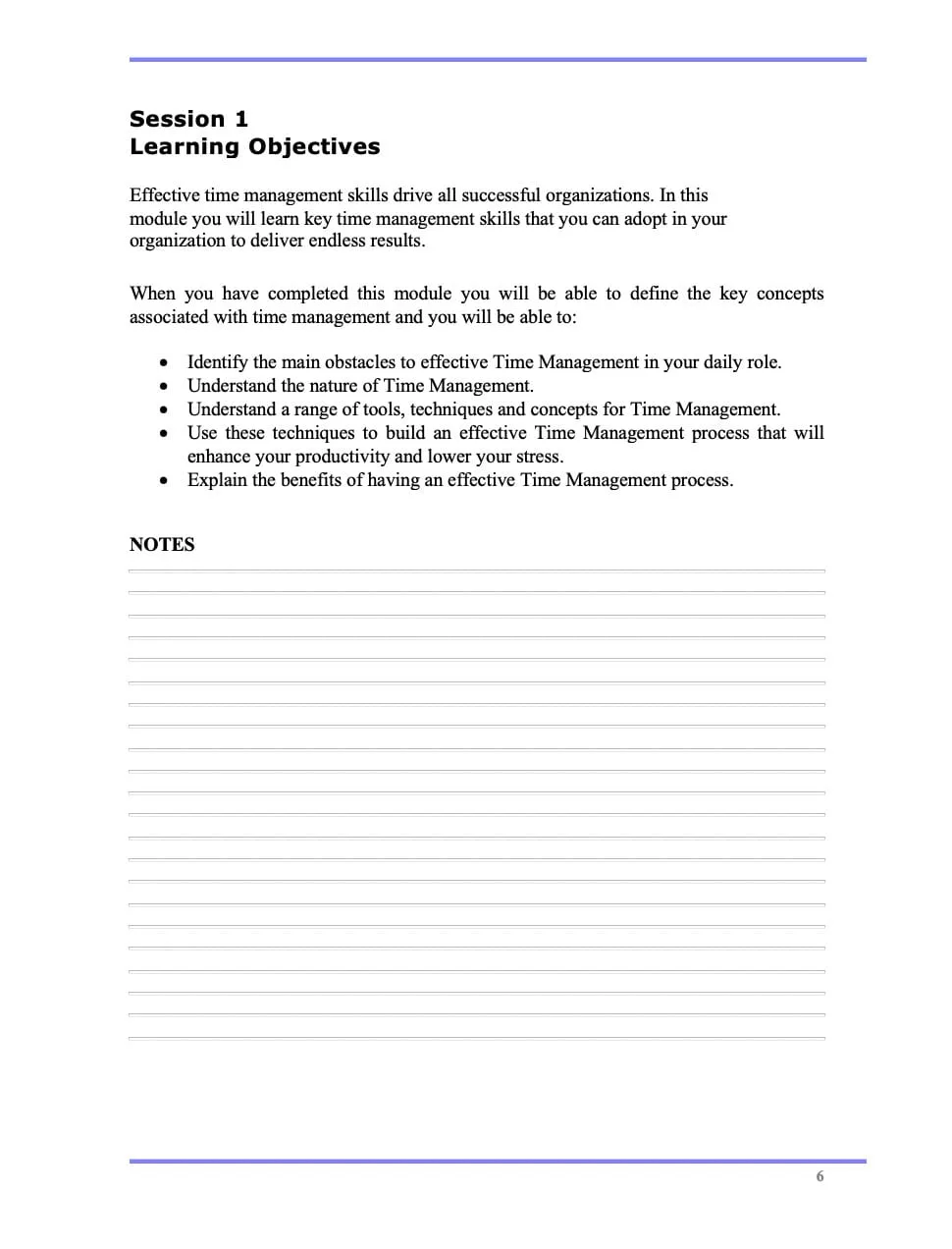
- Understand the fundamental principles of effective time management.
- Recognize the importance of time as a limited resource.
- Examine personal time management habits and approaches to estimating time requirements.
- Explore established time management tools, techniques, and concepts.
- Understand the principles associated with the Spent Time Matrix and Quadrant 2 thinking.
- Recognize the relationship between available time, resources, goals, and objectives.
- Distinguish between productive work and activities that simply create busyness.
- Examine the relationship between poor time management and reactive crisis management.
- Understand how planning and prioritization can support more organized working practices.
- Explore approaches to managing unexpected demands and workplace emergencies.
- Recognize the value of time management systems and protected periods of productive work.
- Understand how time logs can help identify existing working habits.
- Explore practical techniques for managing telephone calls and workplace interruptions.
- Identify opportunities to develop a more consistent personal time management process.
What’s Covered.
The courseware brings together seven interconnected areas of time management, providing a structured progression from understanding how time is used to exploring practical techniques for planning work, managing priorities, and responding to interruptions.
Participants examine both the principles behind effective time management and the everyday working habits that can influence how their time is spent.
1. Understanding The Fundamentals Of Time Management
Introduce participants to the principles of time management and explore the habits, decisions, and working practices that influence how individuals use their available time.
- Essential time management skills – exploring the capabilities that support effective planning and use of working time.
- Practical time management approaches – introducing techniques for organizing activities and responsibilities.
- Defining time management – understanding what managing time means within a professional environment.
- Time as a commodity – recognizing time as a limited resource that requires considered allocation.
- Time management habits – examining recurring behaviors that may influence how working time is used.
- Types of time – exploring different ways of considering and allocating available time.
- Estimating time requirements – recognizing the importance of realistic expectations about how long activities may take.
Employees may begin the working day with clear intentions but find their available time increasingly occupied by unexpected requests, additional responsibilities, and competing demands.
Understanding existing time management habits provides a useful starting point for examining these challenges.
Trainers can incorporate their own examples of daily schedules, recurring tasks, workplace responsibilities, and common planning difficulties to help participants connect these concepts with their working environments.
Supplementary discussion questions may include:
- Which activities occupy most of your working day?
- How accurately do you estimate the time required to complete tasks?
- Which working habits support effective use of your time?
- Which recurring activities deserve further examination?
- What responsibilities are within your control, and which depend on other people?
This introductory module establishes the foundation for exploring time management principles and practical planning techniques throughout the remaining course content.
2. Exploring Established Time Management Principles
Examine established time management concepts and explore the relationship between priorities, available resources, organizational objectives, and working practices.
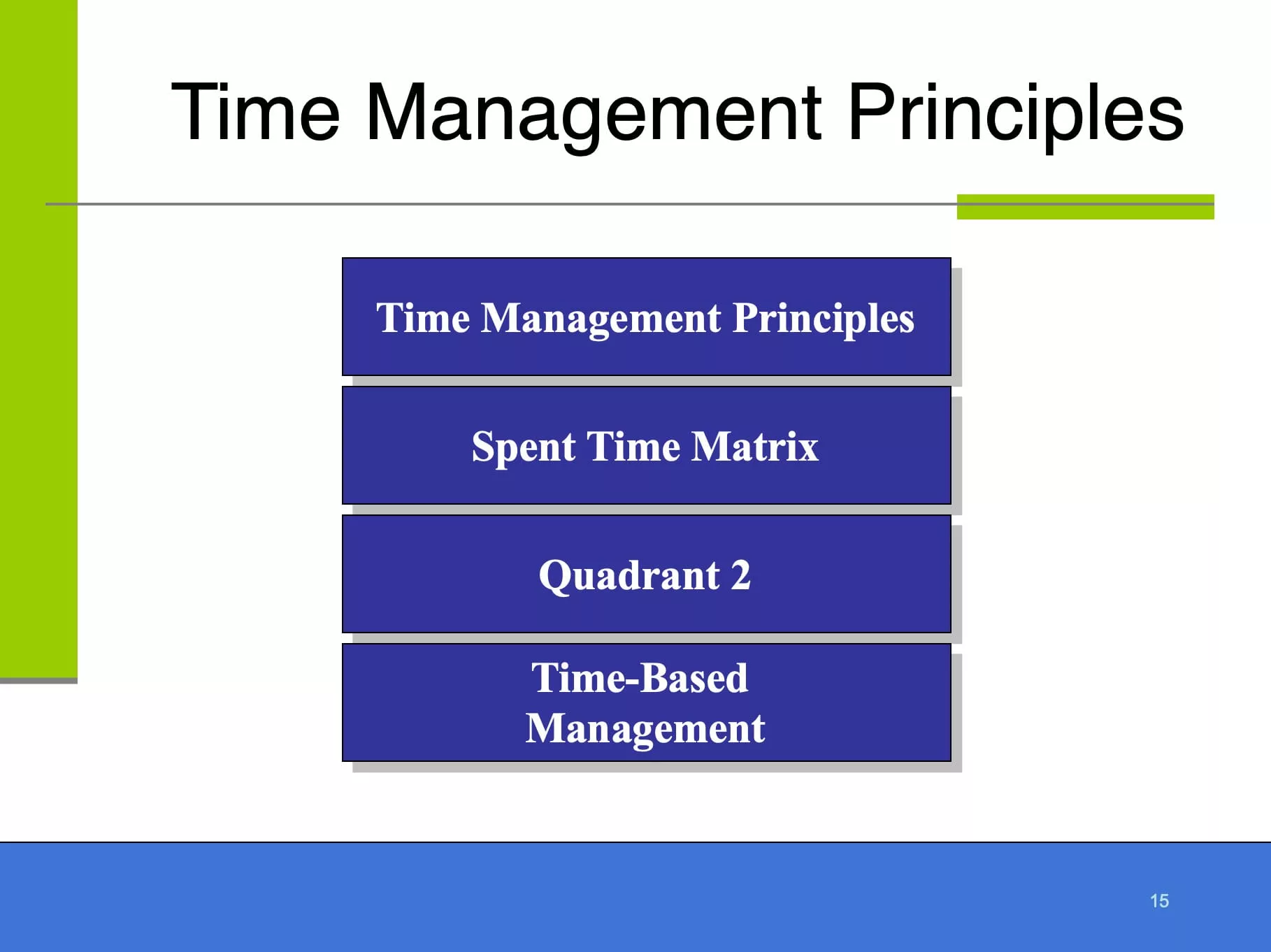
- The Spent Time Matrix – exploring a structured approach to examining how time is allocated.
- Quadrant 2 thinking – considering the importance of activities that matter but may not require immediate attention.
- Time-based management – examining approaches that recognize time as an important management consideration.
- Time and resources – exploring the relationship between available time, responsibilities, and supporting resources.
- Pre-analysis of performance – considering existing performance and working practices before establishing improvement priorities.
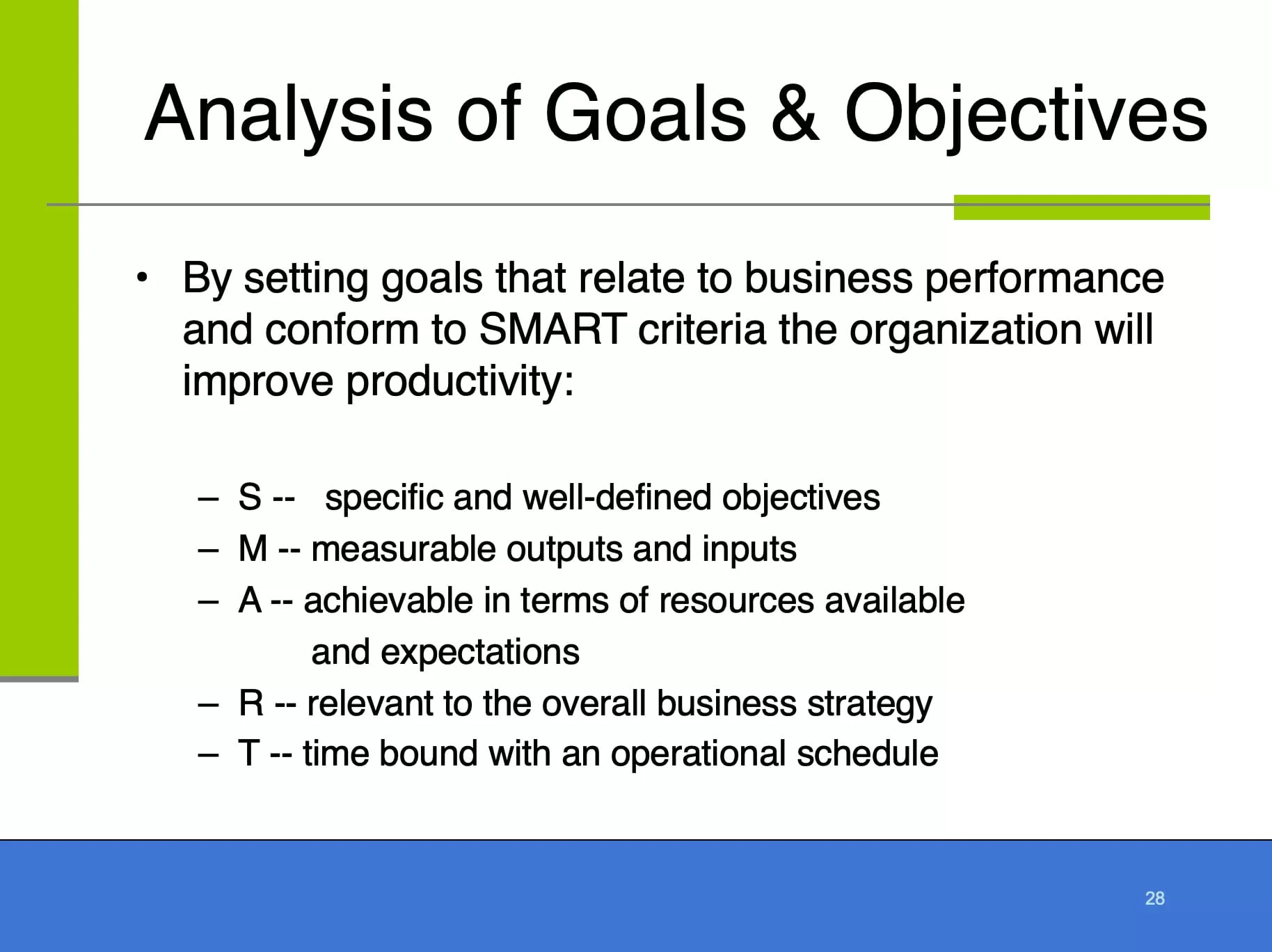
- Goals and objectives – recognizing the importance of connecting daily activities with intended outcomes.
- Systemization – exploring how more consistent working processes may support effective time management.
Some important activities do not create immediate pressure. Preparing for future responsibilities, reviewing existing processes, developing professional skills, and planning upcoming work may all compete with more urgent demands.
Time management frameworks provide opportunities to examine these competing priorities and consider whether existing patterns of work reflect longer-term objectives.
Trainers can incorporate examples of departmental goals, recurring responsibilities, scheduled activities, and competing deadlines to make these principles relevant to their participants.
The emphasis is on developing an understanding of how time management decisions can support meaningful objectives rather than assuming that every individual should follow the same working routine.
3. Distinguishing Productive Work From Busy Work
Explore the difference between activities that contribute to meaningful objectives and activities that occupy time without necessarily producing an equivalent benefit.
- Productive work – examining activities that contribute to relevant responsibilities and intended outcomes.
- Busy work – recognizing activities that may consume considerable time without contributing proportionately to important objectives.
- Activity versus achievement – considering the difference between completing tasks and making meaningful progress.
- Evaluating working priorities – exploring how individuals can examine the relevance of their activities.
A full calendar, a lengthy task list, or a high volume of completed activities does not necessarily indicate that important objectives are being achieved.
Equally, routine administrative work, preparation, relationship development, and other less visible activities may provide considerable value even when their contribution is not immediately apparent.
Understanding the difference between productive work and busy work requires consideration of the individual’s responsibilities, organizational priorities, and working environment.
Trainers can introduce their own examples of recurring meetings, administrative processes, reporting requirements, and departmental activities to encourage participants to examine how their time is allocated.
Relevant discussion questions may include:
- Which activities contribute directly to your most important responsibilities?
- Which tasks are necessary but could potentially be organized differently?
- Are there recurring activities that no longer serve their original purpose?
- How do you distinguish between being busy and making progress?
This module encourages participants to consider the purpose and value of their activities rather than simply attempting to complete more tasks.
4. Understanding Crisis Management And Reactive Working
Examine the relationship between time management, unexpected demands, and reactive approaches to workplace responsibilities.
- Defining crisis management – introducing the concept of responding to unexpected or urgent situations within the context of time management.
- Poor crisis management – exploring how ineffective responses to urgent demands may create additional working difficulties.
- Poor time management – examining how inadequate preparation and planning may contribute to avoidable last-minute pressures.
- Reactive working practices – considering the implications of repeatedly responding to immediate demands at the expense of planned activities.
Not every workplace emergency can be anticipated or prevented.
However, recurring last-minute requests, missed deadlines, and unexpected scheduling conflicts may provide opportunities to examine existing planning practices and organizational processes.
Trainers can incorporate examples of urgent customer requests, unexpected workload changes, competing deadlines, and operational disruptions to help participants explore the relationship between planning and reactive working.
The objective is to encourage consideration of how time management practices may help reduce avoidable pressures while recognizing that genuine emergencies require appropriate responses.
This module addresses crisis management within the context of everyday workplace time management rather than specialist emergency response or business continuity training.
5. Managing Planning Pressures, Priorities, And Emergencies
Explore the relationship between planning, workplace pressure, competing priorities, and unexpected demands.
- Planning-related stress – examining how planning demands, unrealistic expectations, and competing responsibilities may contribute to workplace pressure.
- Prioritization – exploring approaches to organizing activities according to their importance and circumstances.
- Avoiding disorder – considering how clearer priorities and working arrangements may support more organized activities.
- Rules for managing time – introducing practical principles for developing more consistent time management habits.
- Handling emergencies – examining approaches to responding to unexpected demands while considering existing responsibilities.
Planning can provide direction and structure, but it can also become a source of pressure when schedules are unrealistic or available resources do not match expected responsibilities.
Effective time management requires consideration of what needs to be achieved, what can reasonably be completed, and which priorities may need to be reconsidered.
Trainers can encourage participants to explore the relationship between individual planning habits and wider organizational expectations.
Supplementary discussion questions may include:
- What happens when several important deadlines compete for attention?
- How are changes to priorities communicated within your organization?
- Which activities can be rescheduled when an unexpected demand arises?
- When should workload concerns be discussed with a manager?
- How can planning remain flexible without losing sight of important objectives?
This module provides opportunities to examine more realistic approaches to planning and prioritization without suggesting that individuals can resolve every workload or organizational challenge through better personal time management alone.
6. Developing Effective Planning And Time Management Systems
Examine the role of planning in managing working time and explore approaches to developing more consistent systems for organizing activities and responsibilities.
- The role of planning – understanding how preparation can support the effective allocation of working time.
- Planning approaches and concepts – exploring established principles for organizing tasks and responsibilities.
- Time management systems – examining the value of structured approaches to planning and monitoring activities.
- Quality time – considering the importance of allocating suitable periods for activities that require attention and concentration.
- Managing telephone calls – exploring how communication demands may influence working time and planned activities.
A time management system should support the individual’s responsibilities rather than become another demanding administrative activity.
Different roles may require different approaches to planning, scheduling, communication, and responding to changing priorities.
For example, a customer-facing employee may need to remain available for immediate requests, while another professional may require uninterrupted periods to complete detailed analytical or administrative work.
Trainers can incorporate their own examples of calendars, scheduling systems, communication arrangements, and workplace planning processes.
Contemporary examples involving shared calendars, online meetings, email notifications, and workplace messaging platforms can also be introduced to reflect the participants’ working environments.
The core emphasis remains on understanding effective planning principles rather than mastering a particular software application or digital productivity platform.
7. Practical Time Management Tips And Techniques
Bring the principles explored throughout the course together by examining practical techniques for understanding existing time management habits and responding to workplace interruptions.
- Using time logs – exploring how recording activities can help individuals examine how their working time is currently allocated.
- Reviewing time management habits – considering what recorded activities may reveal about existing working practices.
- Managing interruptions – examining approaches to responding to unexpected demands and distractions.
- Applying time management techniques – identifying opportunities to connect established principles with everyday professional responsibilities.
Individuals may have different perceptions of how they spend their working time compared with what their actual activities reveal.
Time logs provide an opportunity to examine these patterns and consider whether current working habits support important responsibilities.
Managing interruptions also requires an understanding of which requests need immediate attention, which can be addressed later, and which communication arrangements may need further consideration.
Trainers can incorporate their own examples of daily activity records, communication demands, recurring interruptions, and scheduling challenges.
Supplementary discussion questions may include:
- What patterns emerge when you review how your time is spent?
- Which interruptions are necessary parts of your role?
- Which interruptions could potentially be managed differently?
- What changes to your working habits would be realistic?
- How could you assess whether those changes are helping?
This final module encourages participants to connect time management concepts with practical opportunities to review and develop their own working practices.
Free Time Management Course Preview.
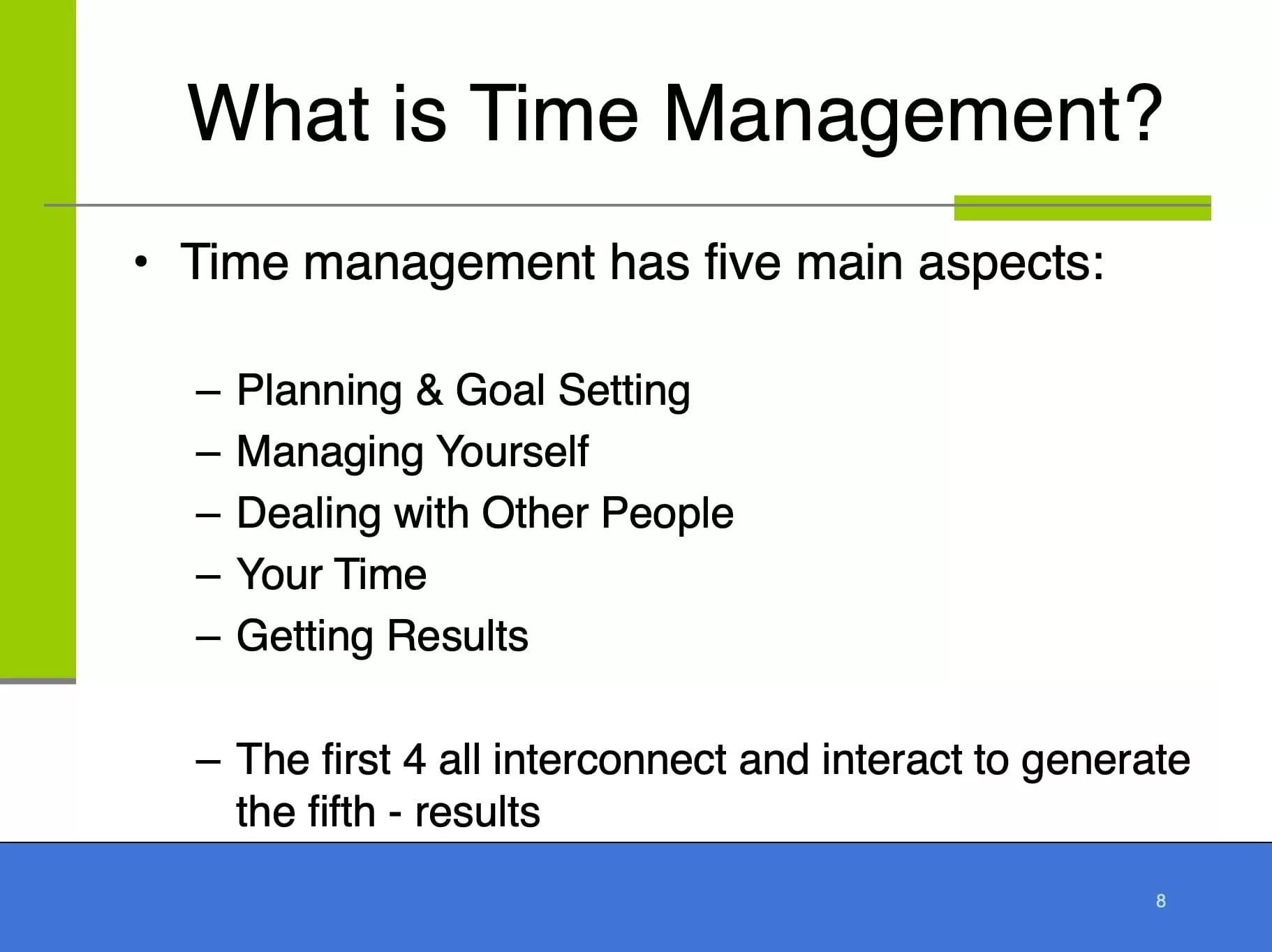
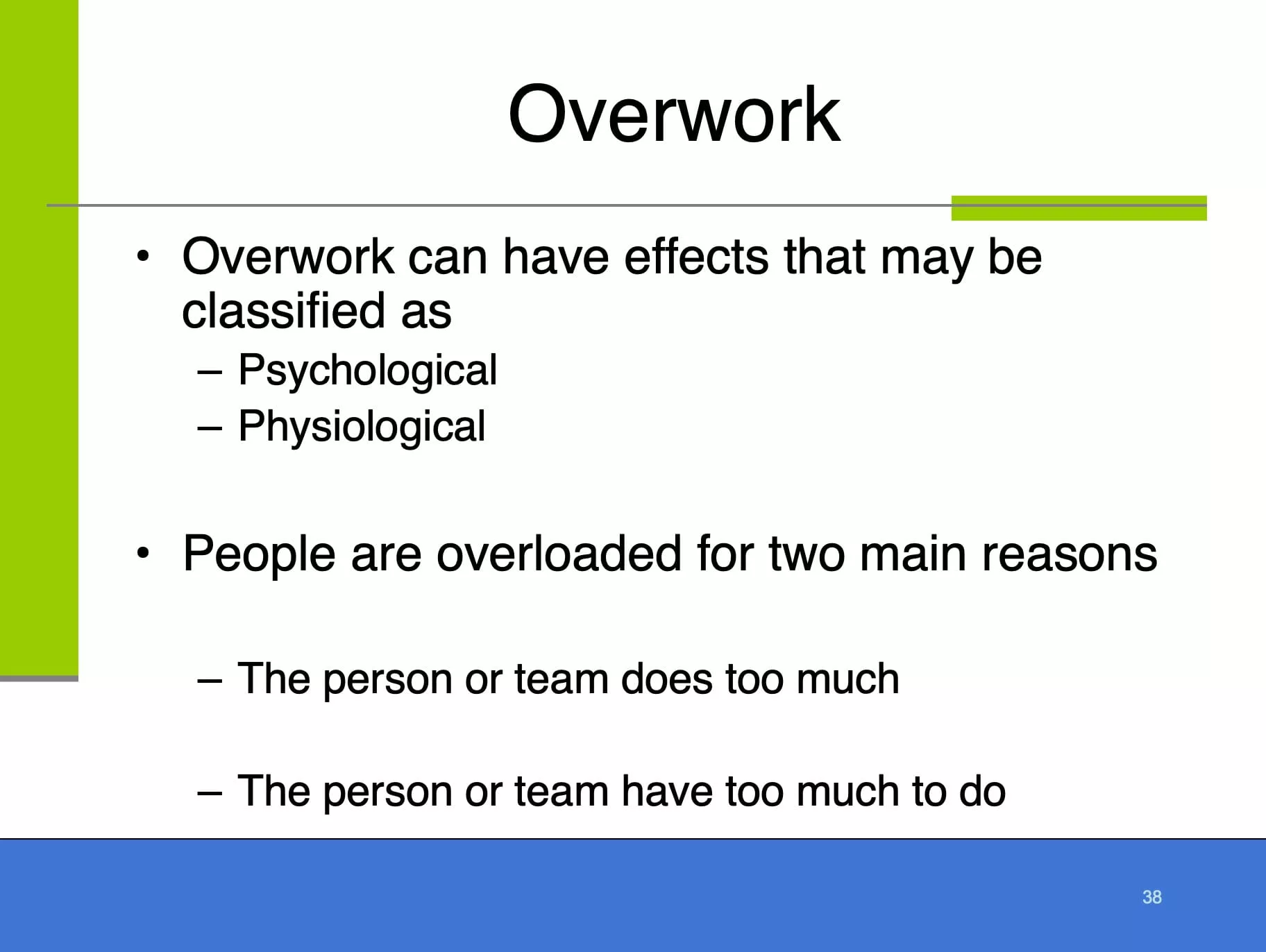
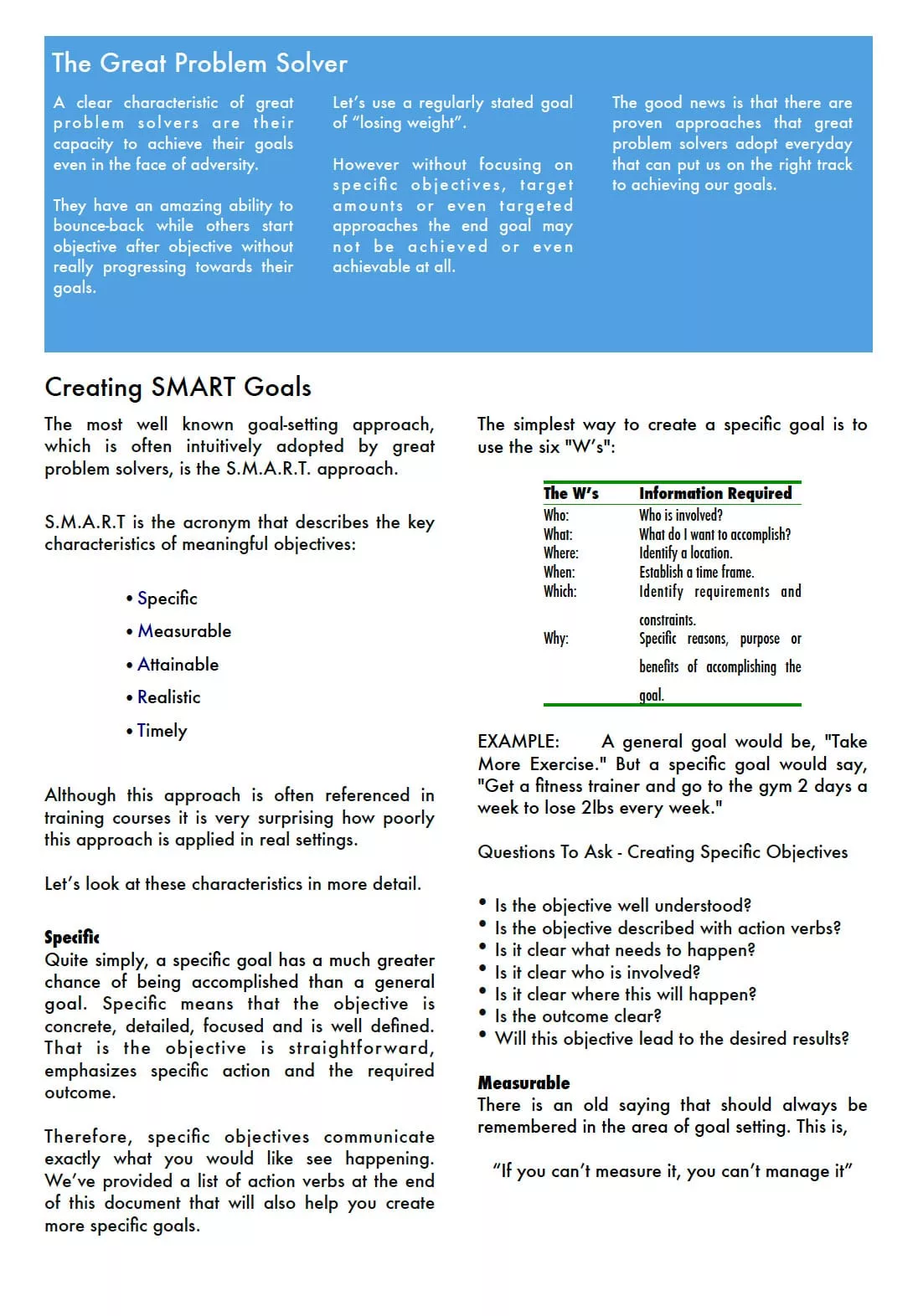
Explore sample presentation materials from the Time Management Training Courseware before purchasing your complete training package.
We intentionally use generic backgrounds and titles so you can incorporate your own branding, workplace examples, organizational priorities, and professional presentation style.

Who Will Benefit From Your Workshop?
This time management training is suitable for individuals who want to develop their understanding of workplace planning, prioritization, scheduling, and effective use of working time.
- Employees who want to prioritize tasks, manage deadlines, and make more effective use of their working time.
- Busy professionals balancing competing responsibilities, frequent interruptions, and demanding schedules.
- Managers responsible for organizing their workload while balancing operational duties and team responsibilities.
- Administrative professionals coordinating appointments, managing requests, and working toward multiple deadlines.
- Project team members seeking to strengthen their planning, scheduling, and management of time-sensitive activities.
- Supervisors and team leaders looking to develop more consistent time management habits within their teams.
- Customer-facing employees managing planned responsibilities alongside unexpected customer requests.
- New and emerging managers developing approaches to balancing individual responsibilities with wider management duties.
Different Roles. Different Demands. Make Your Time Management Training Reflect The Real Working Day.
An administrative professional may need to coordinate appointments, respond to requests, and manage competing deadlines.
A manager may be balancing meetings, employee responsibilities, operational priorities, and unexpected workplace challenges.
A project team member may need to protect time for scheduled activities while responding to changes in project requirements.
A customer service employee may need to balance planned responsibilities with incoming customer demands.
Each working environment presents different time management challenges.
Oak Innovation’s editable time management courseware gives you the flexibility to connect established planning and prioritization principles with the responsibilities familiar to your participants.
- Customize the 74-slide PowerPoint presentation to reflect your working environment.
- Incorporate examples of your own workplace priorities, responsibilities, and scheduling challenges.
- Adapt the 53-page participant workbook to your audience and learning objectives.
- Use the 64-page trainer guide to support workshop preparation and delivery.
- Introduce relevant examples of competing deadlines and unexpected workplace demands.
- Adapt prioritization discussions to reflect your participants’ professional responsibilities.
- Incorporate your own scheduling processes, planning tools, and organizational procedures.
- Connect time management discussions with realistic workload expectations.
- Introduce examples of email, telephone, meeting, and workplace messaging interruptions.
- Explore time management challenges associated with office-based, remote, and hybrid working environments.
- Use the 17 practical training activities to encourage participation, discussion, and reflection.
- Adapt activities for classroom, virtual, or hybrid workshop delivery.
- Add your own branding to the editable training materials.
- Reuse the training resources for future workshops in accordance with your reuse license.
Whether you’re delivering an introductory time management workshop, supporting a wider employee development program, or preparing customized training for your clients, you can adapt the resources to reflect your professional requirements.
Trainers can also incorporate their own contemporary examples involving digital communication, flexible working arrangements, meeting overload, and changing workplace expectations.
The core courseware focuses on time management, planning, prioritization, and working habits rather than specialist productivity software, mental health interventions, or a dedicated work-life balance coaching methodology.
The emphasis is on making more considered use of available working time, not encouraging employees to work longer hours or accept unrealistic workloads.
Your workplace priorities. Your scheduling challenges. Your professional branding.
No subscriptions. No recurring fees. No attribution required.
Purchase the complete training package once and reuse the materials for future workshops in accordance with your reuse license.
Frequently Asked Questions.
What is Oak Innovation's Time Management Training Courseware?
This is a downloadable, editable professional training package designed to help trainers deliver workplace time management workshops. The course covers time management principles, productive work, prioritization, planning, crisis management, time logs, and managing interruptions across seven core modules.
What is included in the time management training package?
You receive 74 editable PowerPoint slides, a 64-page trainer guide, a 53-page participant workbook, and 17 practical training activities, including icebreakers, games, and exercises. The complete package is available as an instant digital download.
Who can benefit from time management skills training?
The training is suitable for employees, managers, supervisors, administrative professionals, project team members, and team leaders who want to develop their understanding of planning, prioritization, and effective use of working time.
Which time management tools and techniques are covered?
Participants explore the Spent Time Matrix, Quadrant 2 thinking, time estimation, planning principles, time management systems, time logs, and techniques for managing interruptions. Trainers can incorporate their own workplace planning tools and examples.
How does the course address competing workplace priorities?
The materials explore prioritization, productive work, planning, available resources, and responses to unexpected demands. Participants examine how these considerations relate to their responsibilities and working habits.
Does the training cover workplace interruptions and distractions?
Yes. Participants explore managing interruptions, telephone calls, and unexpected workplace demands. Trainers can incorporate contemporary examples involving email notifications, online meetings, and workplace messaging platforms.
How is time management training different from personal productivity training?
Time management training places particular emphasis on planning, prioritization, allocating time, scheduling, and managing interruptions. Personal productivity training explores the wider principles of individual effectiveness and productive working habits. The two subjects complement one another.
Can I adapt the course for remote or hybrid working environments?
Yes. The editable materials provide a flexible foundation for classroom, virtual, or hybrid workshops. Trainers can incorporate their own examples of remote working schedules, digital communication, shared calendars, and competing workplace priorities.
Can I customize the time management training materials for my organization or clients?
Yes. The editable white-label courseware allows you to incorporate your own branding, workplace examples, planning processes, scheduling challenges, and professional terminology. You can adapt the materials to reflect your audience and workshop objectives.
Can I reuse the time management training materials and access them immediately?
Yes. The complete training package is available as an instant digital download after purchase. There are no subscriptions, recurring fees, or attribution requirements for the courseware, and you can reuse the materials for future workshops in accordance with your reuse license.
What Trainers Say About Oak Innovation.
★★★★★ “Oak creates self-contained, practical, and easy-to-use training modules… with personal service.” – Rey Carr, Peer Resources.
★★★★★ “This program is ready to go! Complete and comprehensive as I’ve ever seen.” – Dave Benak, TrainingPays.
★★★★★ “Courses are laid out so well and spark natural dialogue… Most thorough content you can find.” – Bryon Jennings.
★★★★★ “The notes for facilitator were simple and easy to follow.” – Tracey O’Shea, Forest Laboratories.
Make Time For What Matters. Give Your Participants The Tools To Examine How They Work.
Effective time management is not about filling every available moment with another activity.
It involves understanding priorities, making considered decisions about available time, and developing working habits that support meaningful responsibilities.
Oak Innovation’s Time Management Training Courseware brings these considerations together in one adaptable professional training package.
Seven core modules. Established time management principles. Planning techniques. Prioritization. Time logs. Practical approaches to managing interruptions.
With 74 editable PowerPoint slides, 117 pages of combined trainer and participant resources, and 17 practical training activities, you have a professionally prepared foundation for your next time management workshop.
Bring your workplace experience, organizational knowledge, and facilitation expertise to training resources that you can customize for your own audience.
One payment. Your branding. Ongoing reuse.
No subscriptions. No recurring fees. No attribution required.
74 editable PowerPoint slides • 64-page trainer guide • 53-page participant workbook • 17 activities • Instant download • Reuse license
Review the habits. Establish the priorities. Make better use of the working day.
The Brands That Trust Our Content.































The Content Behind The Results.
-

Avoid The Course Creation Trap With Our Ready-To-Deliver Quality Management And Operational Excellence Course
$37.00 - One Payment. Unlimited Reuse. Add to cart -

Build Benchmarking Skills. Not Another Course From Scratch.
$37.00 - One Payment. Unlimited Reuse. Add to cart -

Escape The Course Creation Trap With Our Ready-To-Deliver Project Management Training Material
$37.00 - One Payment. Unlimited Reuse. Add to cart -

Everything You Need To Run A Workshop On Technical Report Writing Skills Course In One Download
$37.00 - One Payment. Unlimited Reuse. Add to cart -

For Trainers Who Want To Grow Their Courses On Peak Performance And Personal Productivity Skills
$37.00 - One Payment. Unlimited Reuse. Add to cart -

The Only Thing Missing From This Time Management Course Material Is Your Brand
$37.00 - One Payment. Unlimited Reuse. Add to cart -

The Work Organization Course You Can Put Your Own Name On
$37.00 - One Payment. Unlimited Reuse. Add to cart -

You Bring The expertize. We’ll Bring The Excellent Organization Course Material.
$37.00 - One Payment. Unlimited Reuse. Add to cart -

You Know You Want To Teach Quality And Compliance Auditing Skills. You Just Need The Materials.
$37.00 - One Payment. Unlimited Reuse. Add to cart