Managing Complaints.
Developing a complaints management workshop involves explaining complaint-handling techniques, preparing presentations, writing trainer notes and creating realistic customer complaint scenarios.
Our editable complaints management materials give you the course structure, leaving more time to adapt the activities to the complaints and customer situations your participants encounter.
Download the complete training package, customize the scenarios for your team or clients and deliver complaints management training using your own branding.
Customers teaching complaint-handling skills also find Customer Focus Skills and Conflict Resolution valuable additions to their training toolkit.
Meet Our Customers.




































Who Are These Training Materials For?
These ready-to-use training course materials are used by corporate trainers, independent consultants, HR professionals, educators, and people managers.
Learning Objectives.
By the end of the course, your participants will:
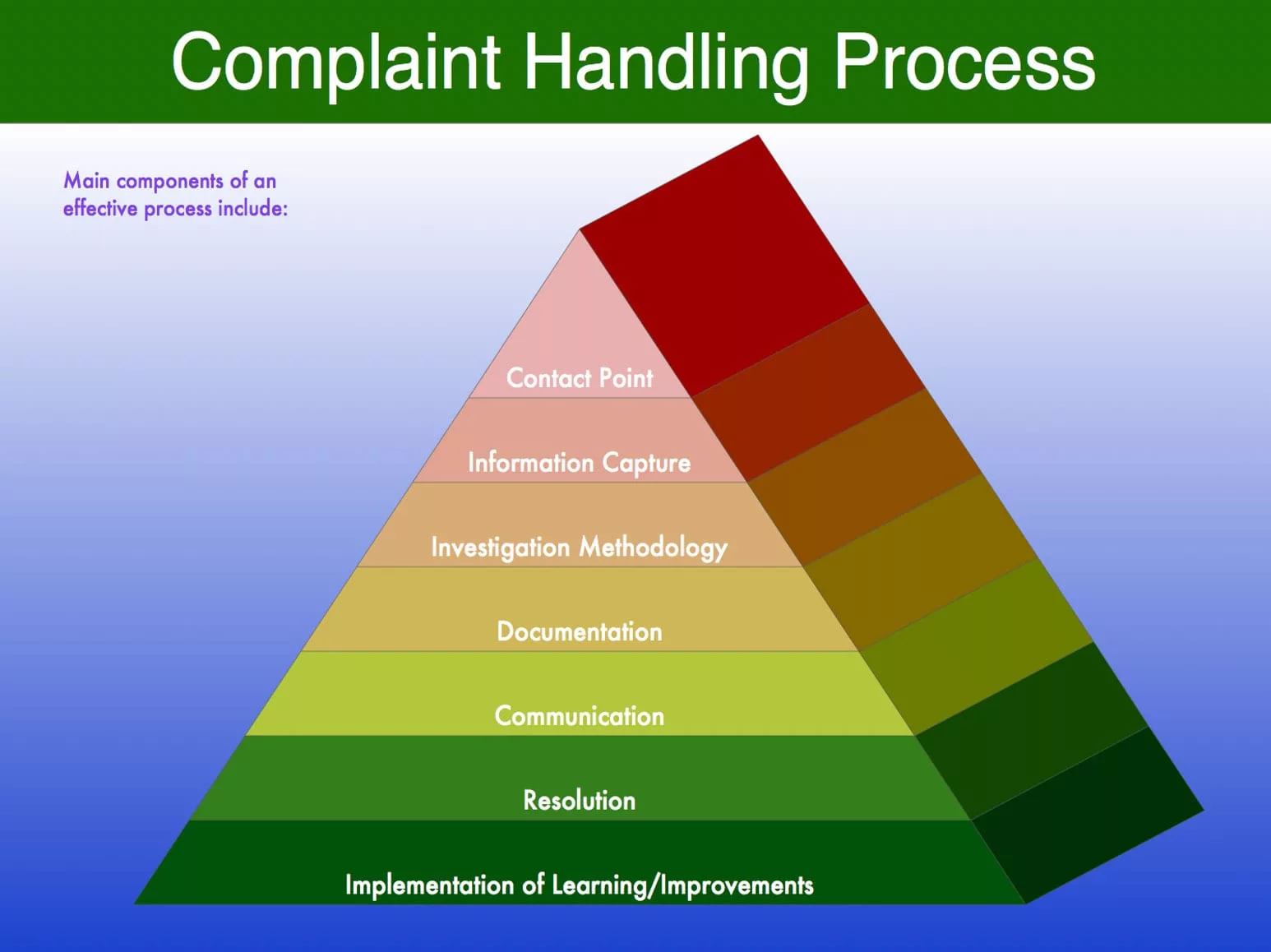
- Understand the six key components of effective complaint management.
- Apply a structured approach to handle complaints professionally.
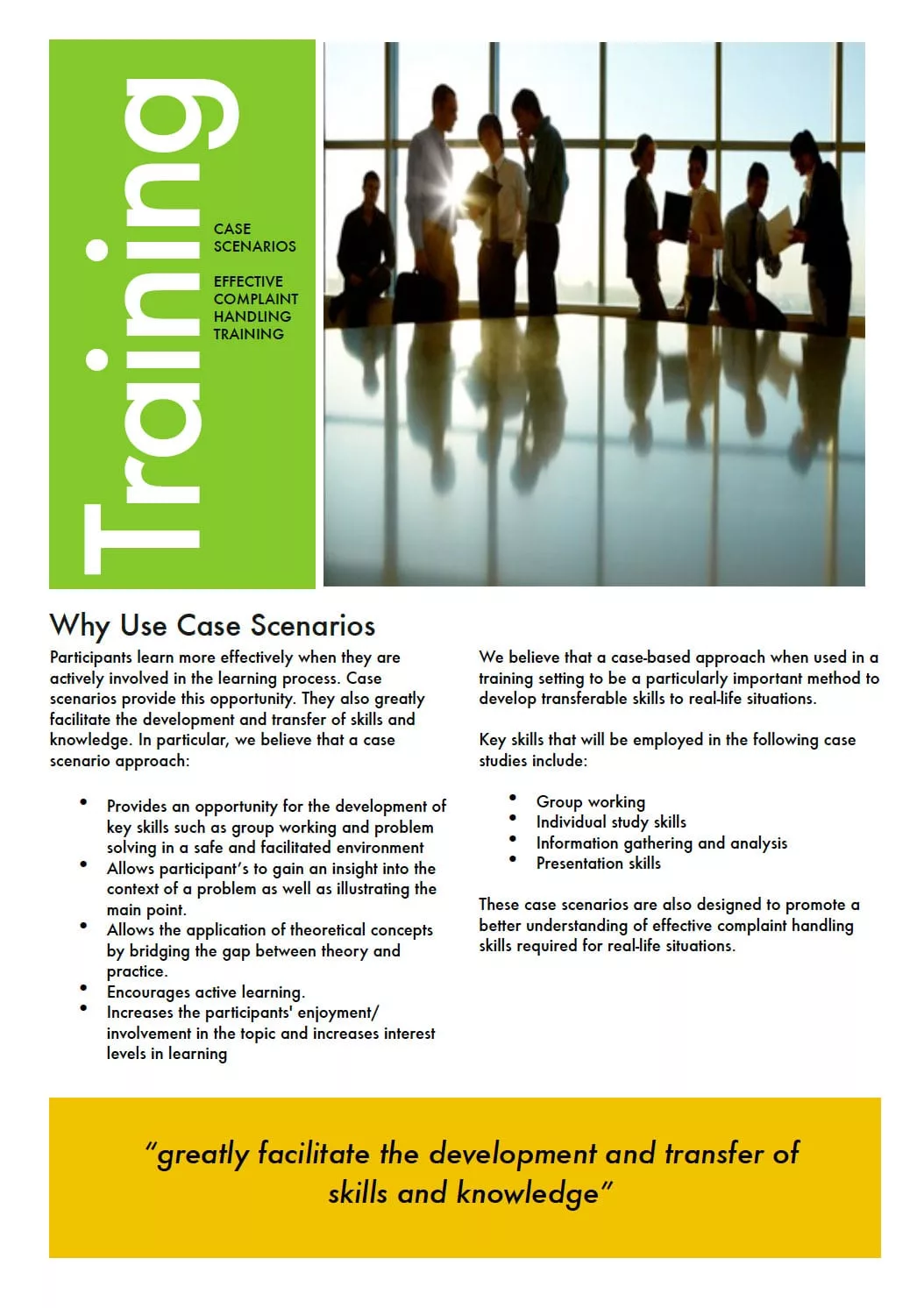
- Utilize real-world scenarios to practice complaint resolution.
- Implement strategies to transform dissatisfied customers into loyal advocates.
- Document and communicate complaints to drive continuous improvement.
What’s Covered.
1. Introduction
- An effective complaint handling process.
2. The six key components of an effective complaint management process
- The importance of a contact point.
- An investigation methodology.
- The need for documentation.
- Improving communication.
- Resolution.
- Implementation of learning/improvements.
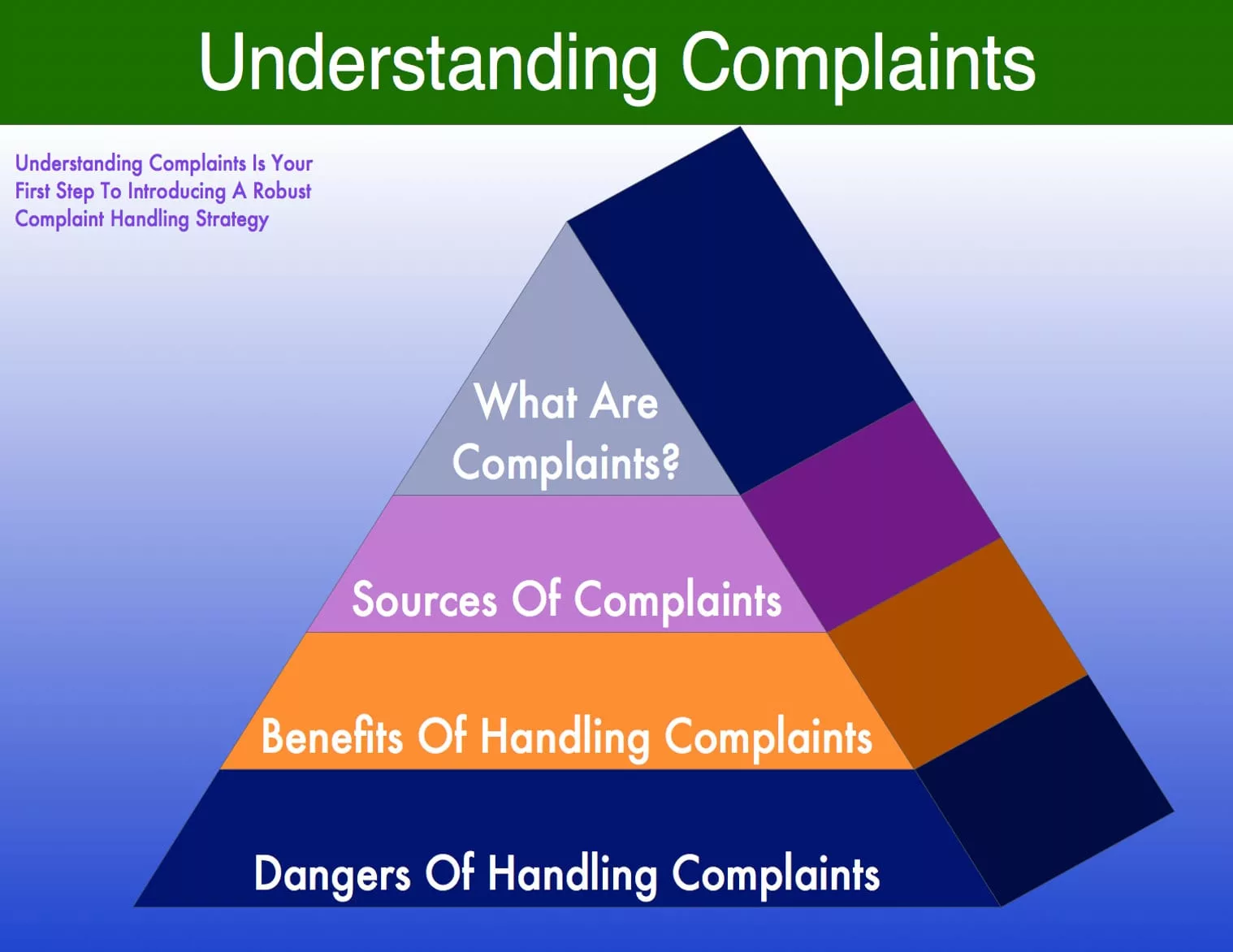
3. The benefits of handling complaints within an organization
- How to build customer ambassadors.
- How to increase customer loyalty.
- Maintaining a customer base.
- How to use customer complaints to increase profitability.
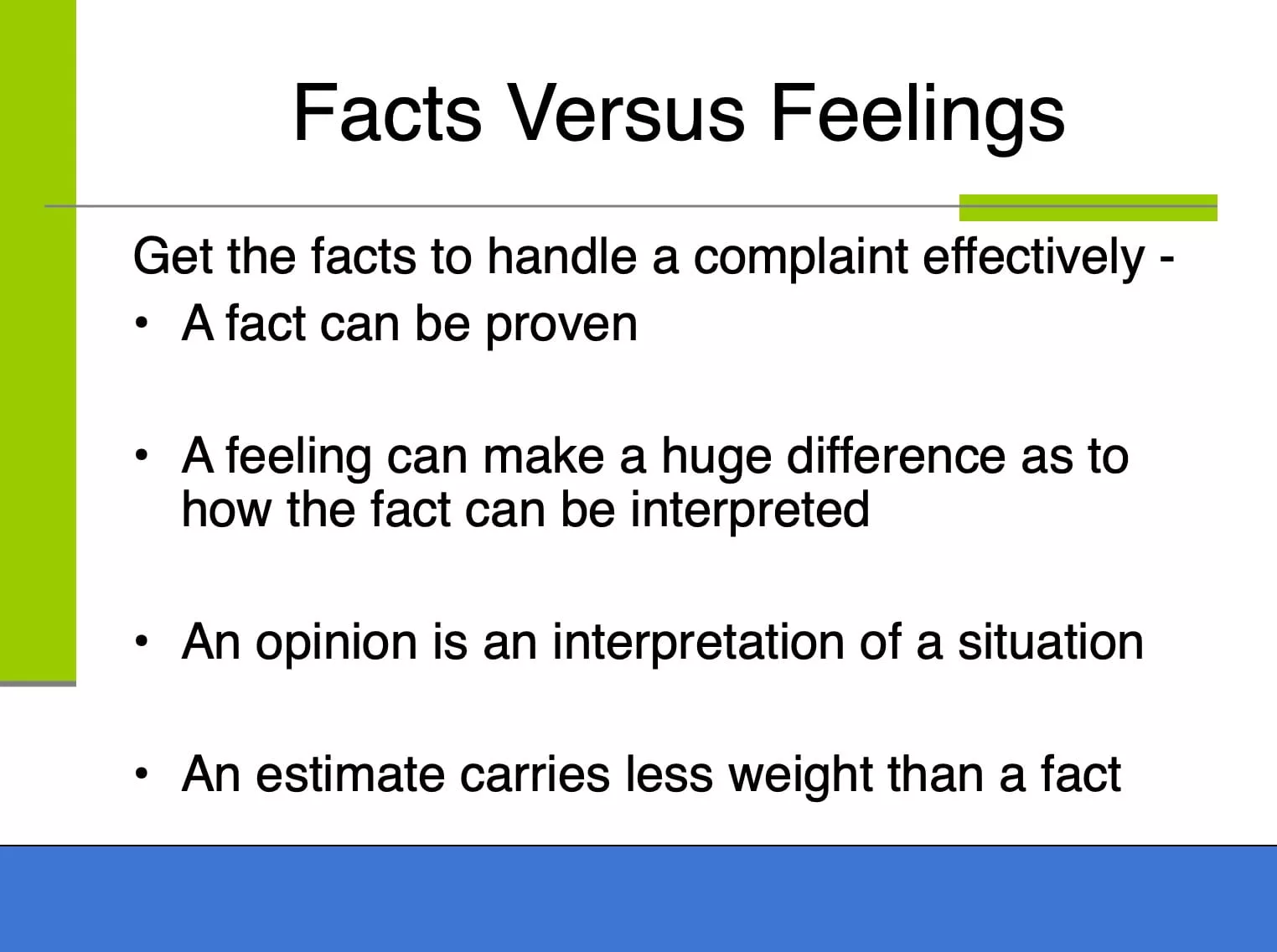
4. Five clear trends will emerge when complaints are handled poorly
- Customers leave due to dissatisfaction.
- Competitors use the failure against you.
- Loss of revenue/profit.
- The potential demotivation of personnel involved in the process.
- Loss of an opportunity to learn and improve.
5. A practical approach to complaint management
- The practical steps involved an effective complaint handling process.
6. Conclusion
- How to manage and measure an effective complaint management process.
Free Course Preview.
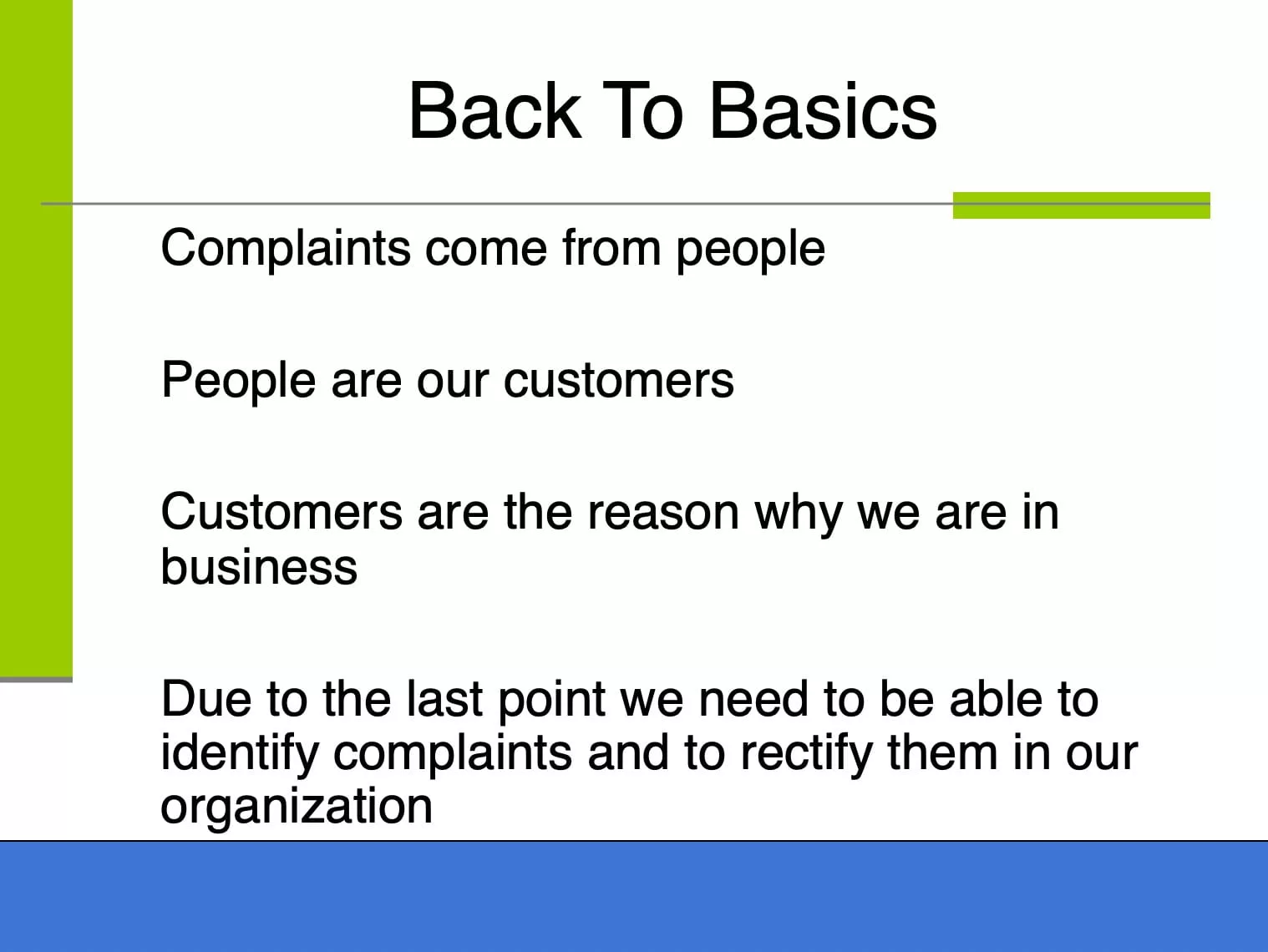
We intentionally use generic backgrounds and titles, so you can easily rebrand and customize everything as your own.
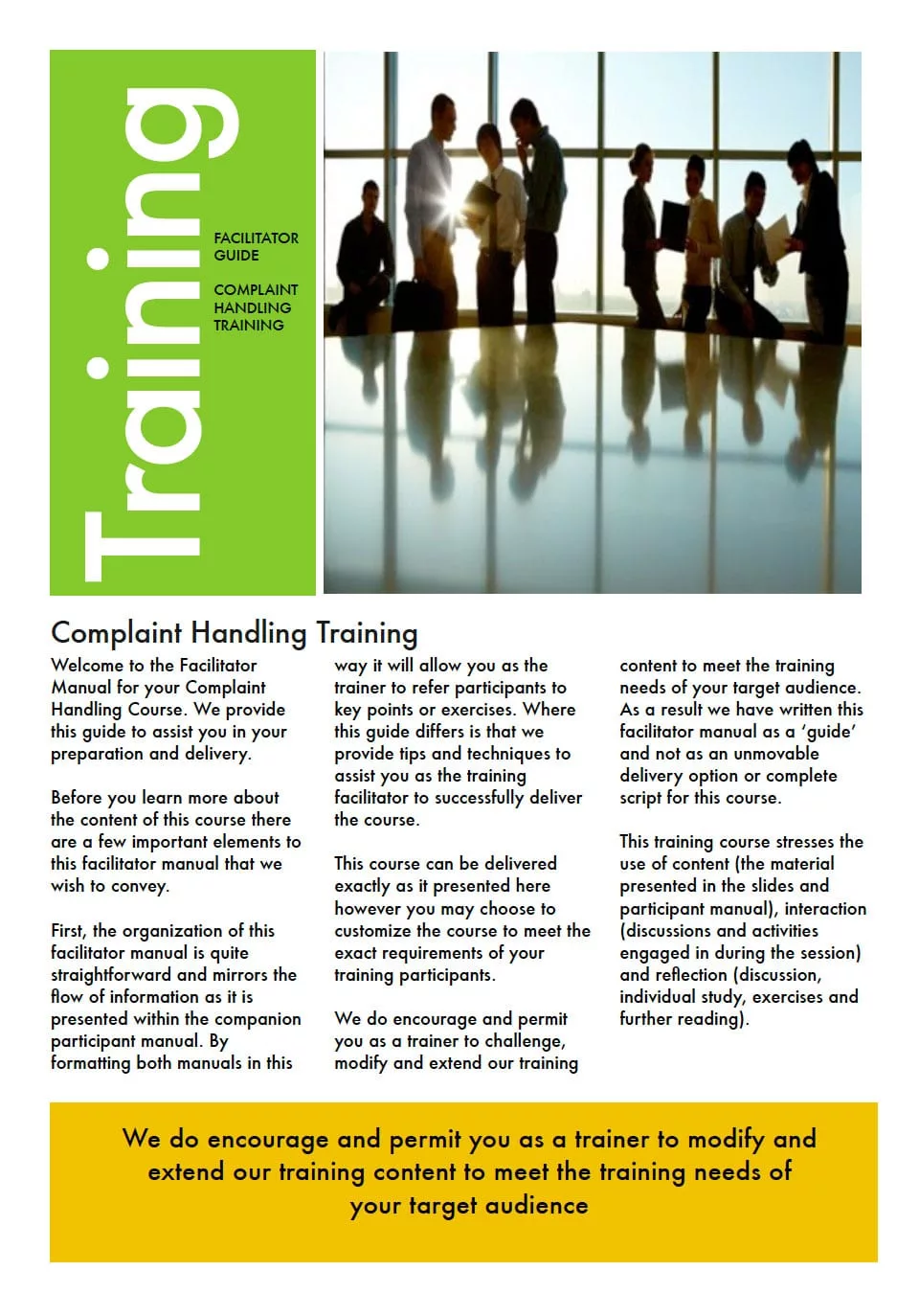
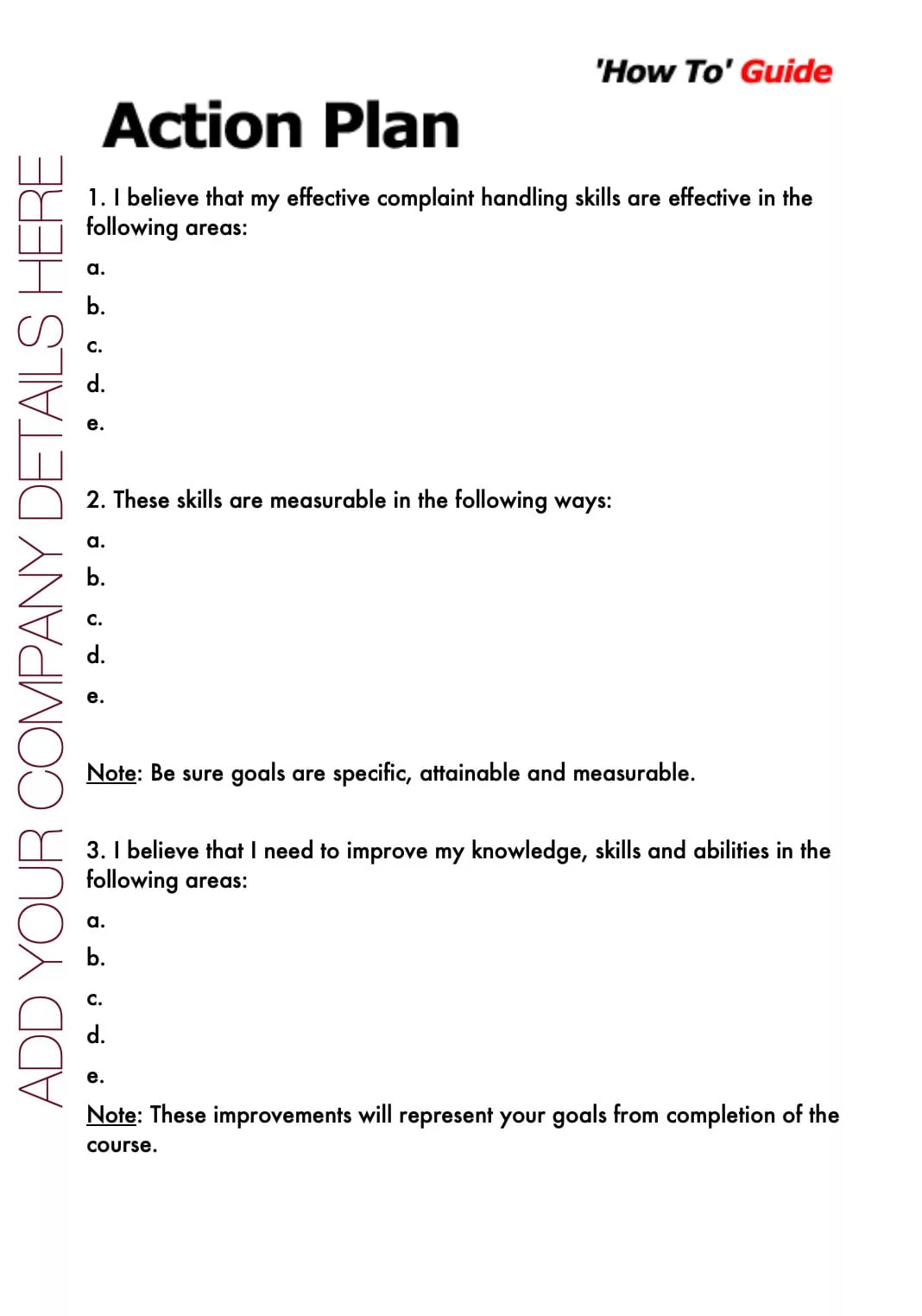
No subscriptions. No recurring fees. No attribution required.
What Trainers Say.
★★★★★ “Oak creates self-contained, practical, and easy-to-use training modules… with personal service.” – Rey Carr, Peer Resources.
★★★★★ “This program is ready to go! Complete and comprehensive as I’ve ever seen.” – Dave Benak, TrainingPays.
★★★★★ “Courses are laid out so well and spark natural dialogue… Most thorough content you can find.” – Bryon Jennings.
★★★★★ “The notes for facilitator were simple and easy to follow.” – Tracey O’Shea, Forest Laboratories.
85 slides • 29-page guide • 67-page workbook • 17 activities • Instant download • Use forever
Meet Our Customers.



























Explore More Courses.
-

Advanced Presentation Skills: Training Course Material For Corporate Trainers
$97.00 - Todays Price Add to cart -

Complaint Handling Skills: PPT & Facilitator & Participant Guide
$97.00 - Todays Price Add to cart -

Conflict Resolution Skills: Courseware & Toolkit
$97.00 - Todays Price Add to cart -

CRM Skills: Editable Corporate Courseware
$97.00 - Todays Price Add to cart -

Customer Focus Skills: 100% Editable Trainer Package
$97.00 - Todays Price Add to cart -

Facilitation Training: Single Day Training Toolkit
$97.00 - Todays Price Add to cart -

Negotiation Skills Courseware For Trainers (Editable PowerPoint Kit)
$97.00 - Todays Price Add to cart -

Problem Solving Skills: Participant Workbook, Slides + Exercises
$97.00 - Todays Price Add to cart -

Sales Skills: Full-Day Workshop Kit (Editable)
$97.00 - Todays Price Add to cart -

Social & Interpersonal Skills: Fast-Track Trainer Toolkit
$97.00 - Todays Price Add to cart -

Telesales Skills Courseware: Trainer’s Handbook Pack
$97.00 - Todays Price Add to cart

Meet Catherine, the passionate mind behind Oak Innovation. For more than 30 years, she’s been creating practical, engaging courses that help trainers, L&D professionals, managers, and consultants save valuable preparation time. Her goal is simple: make course creation easier, so you can spend less time preparing and more time delivering great training.