How To Teach A Course On Facilitation Without Creating Any Content From Scratch.
Now you can equip your participants with techniques for guiding discussions, encouraging participation and facilitating productive group sessions.
Planning to facilitate workshops or group sessions? Group Dynamics and Presentation Skills can help you expand the learning experience.
Who Are These Facilitation Skills Training Materials For?
These ready-to-use training course materials are used by corporate trainers, independent consultants, HR professionals, educators, and people managers.
What’s Covered In This Facilitation Skills Training Course Material?
1. Introduction
- What is facilitation?
2. How to become a more effective facilitator
- How to set agendas and capture data.
- How to use time management and information-seeking techniques.
- The role of clarifying, coordinating, and summarizing.
- How to relieve tension.
- How to protect the process.
3. What are the functions of facilitation skills?
- The primary function of facilitation.
- The range of values that effective facilitators need.
- Facilitator styles available (e.g., directive, exploratory, delegating, participative, interpretive, and evaluative).
4. Introduce the three stages of a facilitation process
- Stage 1: Define the purpose, outcomes, and products required from the process.
- Stage 2: Design and define the actual process.
- Stage 3: Implement the process and ensure the outcomes and products.
5. How to design a facilitation process?
- How facilitation design impacts the facilitation process.
6. Explore seven facilitation techniques
- Essential tips, rules, and gaining consensus within a facilitation setting.
- Self-check questions and the concept of intervention.
- Facilitation techniques (awareness technique, brainstorming, NGT technique, affinity diagram, fish bowl, multiple perspectives disk, the hanger technique).
7. Understanding the role of people in a facilitation process
- How to listen to and capture contributions.
- The importance of collating knowledge.
- Active participation in a facilitation process.
- Group dynamics skills and personality types.
- Dealing with conflict.
- The role of people in the process.
No subscriptions. No recurring fees. No attribution required.
What Trainers Actually Say.
★★★★★ “Well-structured series relevant to today’s HR professionals. Information is well-organized and easy to understand.” – Bernard Cronin, Director of HR, Apple.
★★★★★ “The content is incredibly relevant, well-structured, and grounded in sound training principles.” – James L. Steward.
★★★★★ “Very comprehensive. The support tools provided were impressive. Notes for facilitator were simple and easy to follow.” – Tracey O’Shea, Leadership Development, Forest Laboratories.
★★★★★ “As a trainer, I appreciate the trainer background materials so I can study the details and background.” – Andrea Chisholm, Critical Success Consulting.
Frequently Asked Questions.
Can Facilitation Skills training materials be customized for your organization?
Yes. Slides, participant workbooks, and instructor guides should all be supplied in editable formats. You can add your own branding, modify examples, incorporate company policies, and tailor activities to suit your organization, industry, or client requirements.
Is Facilitation Skills training suitable for new and experienced facilitators?
Yes. Effective Facilitation Skills training provides practical techniques for new facilitators while helping experienced facilitators strengthen their skills in participant engagement, workshop management, and group facilitation. The principles can be applied to workshops, meetings, training sessions, and collaborative planning events.
What should a complete Facilitation Skills training program include?
A comprehensive Facilitation Skills course should include presentation slides, an instructor guide, participant workbook, and practical facilitation activities. Quality materials also provide facilitator guidance, discussion exercises, workshop frameworks, group activities, and action planning resources that support immediate workplace application.
Can Facilitation Skills training be delivered virtually?
Yes. Facilitation Skills training can be delivered successfully in virtual, classroom, or blended learning environments. Participants learn techniques for engaging both in-person and remote groups while maintaining interaction and productive discussions.
Can Facilitation Skills training materials be reused across teams or regions?
Yes. Editable training materials can be delivered repeatedly across different teams, departments, locations, organizations, and client groups. Many facilitators adapt examples and workshop scenarios while keeping the core facilitation principles consistent.
Who should attend Facilitation Skills training?
Facilitation Skills training is ideal for trainers, managers, supervisors, consultants, project leaders, and team leaders, and anyone responsible for leading meetings, workshops, or group discussions. It is also valuable for professionals who regularly facilitate planning sessions, problem-solving workshops, or cross-functional meetings.
What is the difference between facilitation and training?
Training focuses on teaching knowledge and skills, while facilitation focuses on guiding discussions, encouraging participation, building consensus, and helping groups achieve meaningful outcomes. Many workplace sessions combine both approaches, with trainers teaching content and facilitating discussion to maximize learning.
How do Facilitation Skills improve workshop outcomes?
Strong facilitation skills help groups stay focused, increase participation, improve decision-making, manage group dynamics, and create clearer action plans. Effective facilitators encourage balanced participation while keeping discussions aligned with the workshop objectives.
Does Facilitation Skills training cover managing difficult participants?
Yes. Participants learn practical techniques for handling dominant personalities, encouraging quieter participants, managing conflict, and maintaining productive discussions. These techniques help facilitators create inclusive workshops where everyone has the opportunity to contribute.
How quickly can you prepare and deliver Facilitation Skills training?
Most facilitators customize professional training materials in 30 to 60 minutes and deliver the workshop the same week. Preparation usually involves adding branding, reviewing facilitator notes, selecting relevant workshop activities, and tailoring examples to the audience.
Can you teach Facilitation Skills without previous facilitation experience?
Yes. A comprehensive instructor guide provides step-by-step instructions, facilitation guidance, and practical advice for managing group discussions, participant engagement, and challenging workshop situations. Even first-time trainers can confidently deliver engaging Facilitation Skills workshops using professionally developed training materials.
85 slides • 79-page guide • 61-page workbook • 17 activities • Instant download • Use forever
Organizations That Have Downloaded Oak Innovation Training Materials.





























Explore More Customer Service Excellence Training Materials.
Expand your customer service excellence development program with editable courses covering specialist customer service skills.
-

Advanced Presentation Skills Training
$80.00 - Full Toolkit Add to cart -

Conflict Resolution Skills
$80.00 - Full Toolkit Add to cart -

CRM Skills
$80.00 - Full Toolkit Add to cart -
Customer Ficus Skills
$80.00 - Full Toolkit Add to cart -

Effective Complaint Handling Skills
$80.00 - Full Toolkit Add to cart -
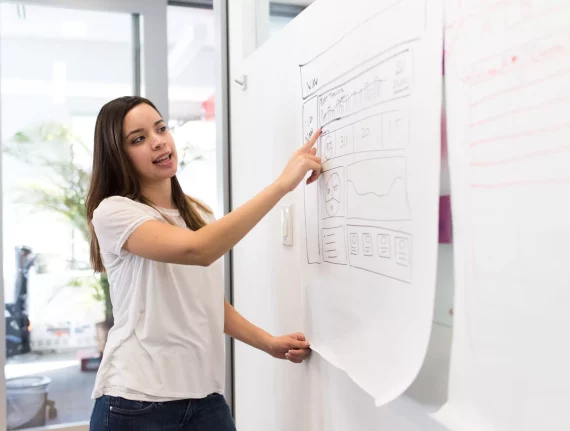
Facilitation Skills Training
$80.00 - Full Toolkit Add to cart -

Interpersonal Skills
$80.00 - Full Toolkit Add to cart -

Negotiation Skills
$80.00 - Full Toolkit Add to cart -

Problem Solving Skills
$80.00 - Full Toolkit Add to cart -

Sales Skills
$80.00 - Full Toolkit Add to cart -

Telesales Skills
$80.00 - Full Toolkit Add to cart

Meet Catherine, the passionate mind behind Oak Innovation. For more than 30 years, she’s been creating practical, engaging courses that help trainers, L&D professionals, managers, and consultants save valuable preparation time. Her goal is simple: make course creation easier, so you can spend less time preparing and more time delivering great training.