How An Organization Is Structured Influences How Its People Work Together.
Every organization needs to determine how responsibilities are distributed, where decisions are made, and how activities are coordinated.
Yet the structures that support one business may create challenges for another.
A growing company may need clearer reporting relationships. An established business may be reconsidering departmental boundaries. A project-based organization may require greater flexibility in how people collaborate across functions.
Understanding organizational structure provides a foundation for exploring these challenges and examining how different organizational arrangements support business objectives.
For trainers, developing an organizational structure workshop means bringing together management theories, organizational design concepts, structural models, and practical examples that participants can relate to their own working environments.
Oak Innovation’s enterprise-ready organizational structure training courseware provides an editable foundation for delivering these workshops without developing every learning resource from scratch.
You receive 63 editable PowerPoint slides, a supporting trainer guide, a 49-page participant workbook, and 17 practical training activities.
Across three core modules, participants explore the foundations of organizational structure, Henry Mintzberg’s organizational theories, and six models of organizational structure.
The course brings together established management perspectives and different approaches to organizing people, responsibilities, authority, and business activities.
With the core training content already prepared, you can concentrate on the organizational charts, reporting relationships, management challenges, and business examples that matter to your audience.
Download the complete training package, customize the materials for your organization or clients, and deliver organizational structure training under your own professional branding.
Give your participants the opportunity to examine not only how organizations are structured, but why those structures exist.
Developing a broader organizational development or management training program? Complement this course with our dedicated training materials on organizational behavior skills and corporate culture to explore the relationship between organizational arrangements, management practices, employee behavior, and workplace culture.
Trusted By Training Professionals Supporting Organizational Development.





































Who Are These Organizational Structure Training Materials For?
These editable organizational structure training resources are designed for professionals who want to deliver structured workshops on organizational design, management theories, reporting relationships, and business structures.
- Corporate trainers delivering workshops on organizational structure, management development, and business effectiveness.
- HR and learning and development professionals supporting management capabilities, organizational understanding, and employee development initiatives.
- Independent trainers and training consultants preparing customized organizational structure workshops for their clients.
- Organizational development professionals exploring organizational design, reporting arrangements, and structural development opportunities.
- Managers and business leaders responsible for developing a broader understanding of organizational structures and management responsibilities.
- Educators and facilitators delivering professional development sessions on organizational theory, business structures, and management practices.
Whether you’re introducing organizational design concepts to emerging managers, supporting a management development program, or facilitating discussions about organizational restructuring, you can adapt the materials to reflect your participants’ responsibilities and development needs.
Learning Objectives.
By the end of your organizational structure workshop, participants will be able to:
- Define organizational structure and explain its relevance to business activities.
- Understand why organizations adopt different structural arrangements.
- Identify key concepts and dimensions associated with organizational structure.
- Recognize the importance of the division of labor and coordination of organizational activities.
- Explore the relationship between organizational structure and business objectives.
- Understand the fundamental principles of Henry Mintzberg’s organizational theories.
- Identify and compare Mintzberg’s five structural configurations.
- Explore the seven forces that can influence organizational arrangements.
- Identify six different models of organizational structure.
- Consider the potential advantages and limitations of different structural arrangements.
- Examine how organizational structures may influence communication, authority, accountability, and collaboration.
- Apply organizational structure concepts when reflecting on their own working environments.
What’s Covered.
The courseware covers three core areas of organizational structure, providing a structured progression from understanding organizational design fundamentals to examining Mintzberg’s theories and comparing different structural models.
Participants explore why organizations adopt different structures, the management concepts that underpin those arrangements, and the relationship between organizational design and business activities.
1. Understanding Organizational Structure And Design
Introduce participants to the foundations of organizational structure and explore why businesses organize their people, responsibilities, and activities in different ways.
- What is an organization? Explore the fundamental characteristics of organizations and their shared objectives.
- Understanding organizational structure – examining how responsibilities, authority, and activities are arranged within organizations.
- The purpose of organizational structures – exploring why different organizational arrangements exist.
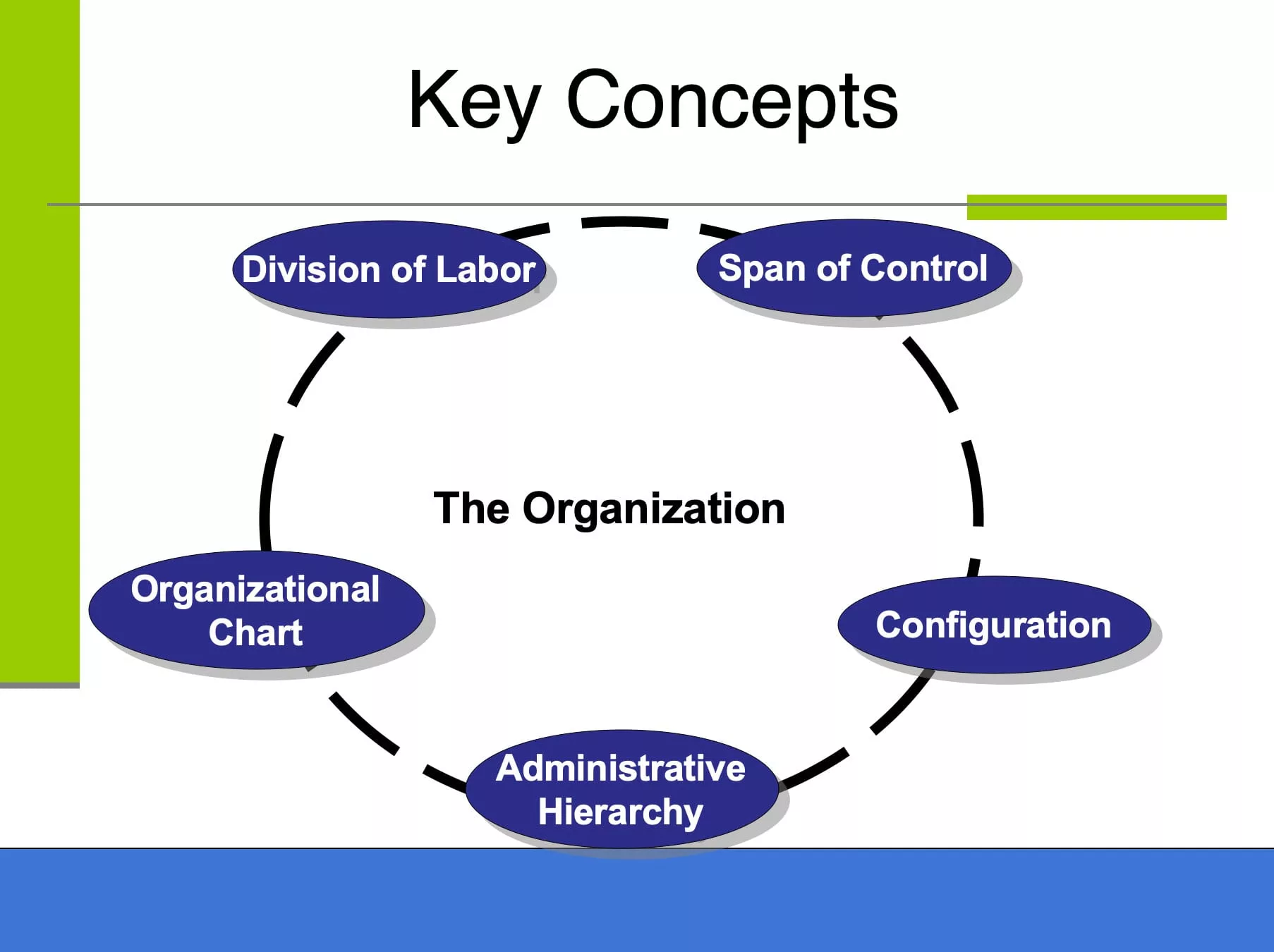
- Key concepts and dimensions of organizational structure – considering the factors that influence how organizations are designed.
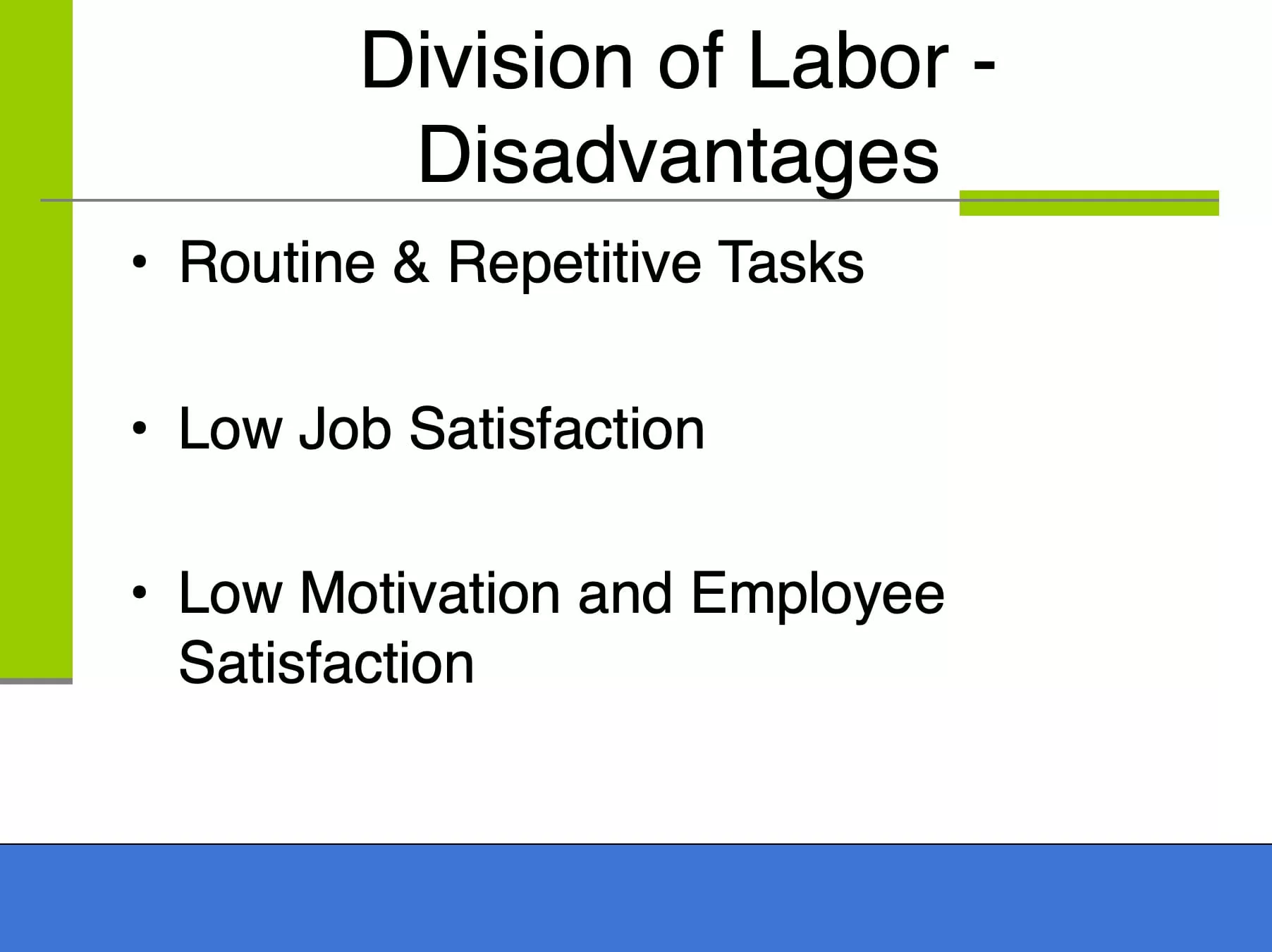
- The division of labor – examining how work and responsibilities are distributed between individuals, teams, and departments.
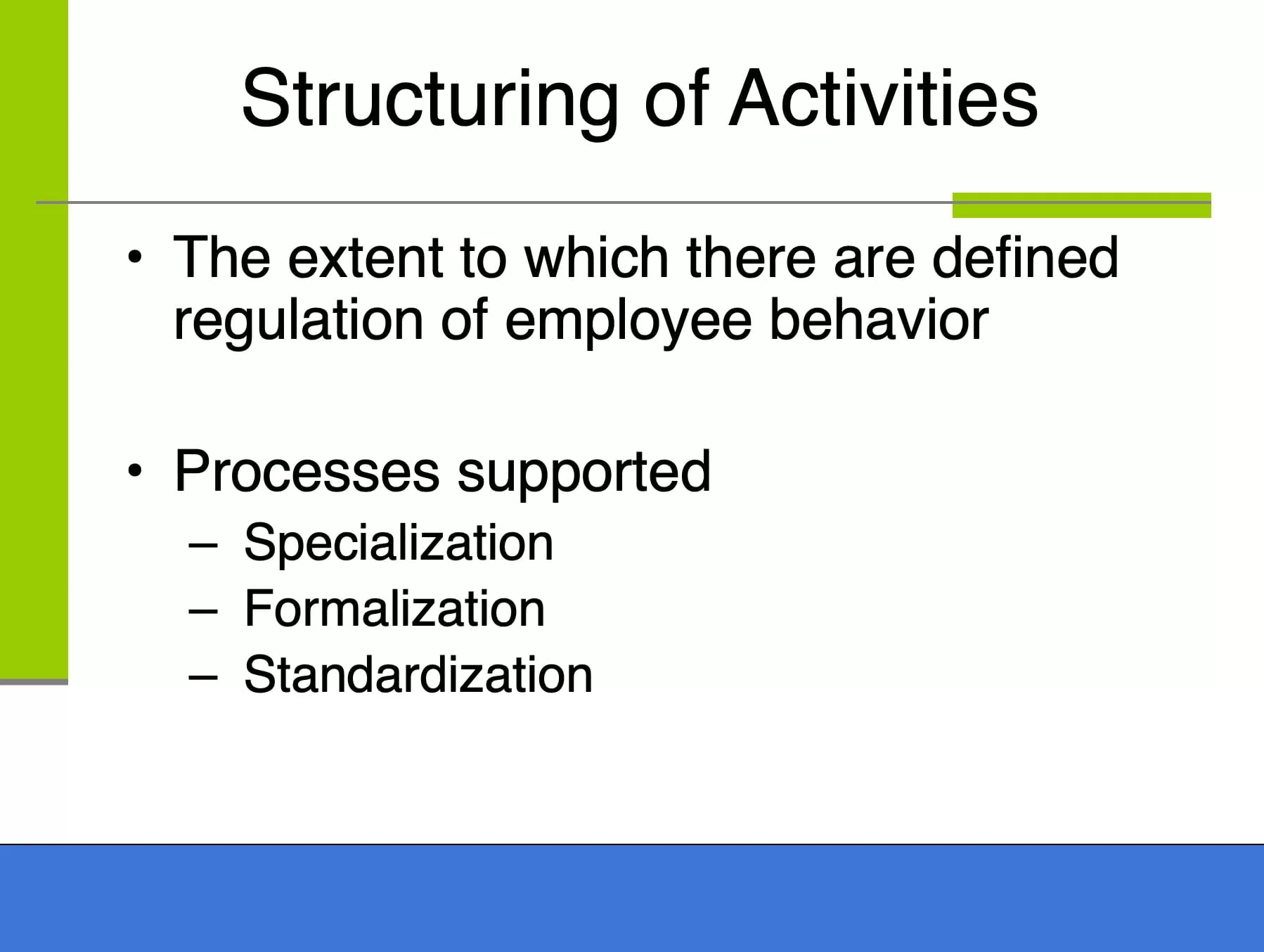
- Structuring organizational activities – exploring how the coordination of work can support organizational objectives.
- Management theories and structural principles – introducing established perspectives that underpin organizational design.
Organizational structure provides a framework for understanding how work is divided, how responsibilities are assigned, and how different activities are coordinated.
It can influence communication patterns, reporting relationships, decision-making authority, and the way departments interact.
However, no single organizational structure is necessarily appropriate for every business.
Organizational size, strategic objectives, operational requirements, and working arrangements can all influence the suitability of different structures.
Trainers can incorporate familiar organizational charts and workplace examples to encourage participants to consider how structural arrangements influence their everyday responsibilities and working relationships.
2. Henry Mintzberg’s Theory Of Organizational Structure
Explore Henry Mintzberg’s established perspectives on organizational structure and examine how different configurations and organizational forces can influence the way businesses arrange their activities.
This module introduces five structural configurations that provide a framework for comparing different approaches to organizational design.
Mintzberg’s Five Structural Configurations:
- Simple structure – an organizational arrangement typically characterized by limited formalization and centralized decision-making.
- Machine bureaucracy – a structure emphasizing standardized processes, formal procedures, and clearly defined responsibilities.
- Professional bureaucracy – an arrangement that relies heavily on the expertise and professional capabilities of its workforce.
- Divisionalized form – a structure in which organizational activities are arranged into relatively distinct divisions.
- Adhocracy – a flexible organizational arrangement associated with innovation, collaboration, and specialist expertise.
These configurations provide different perspectives on how organizations coordinate activities, distribute authority, and respond to operational requirements.
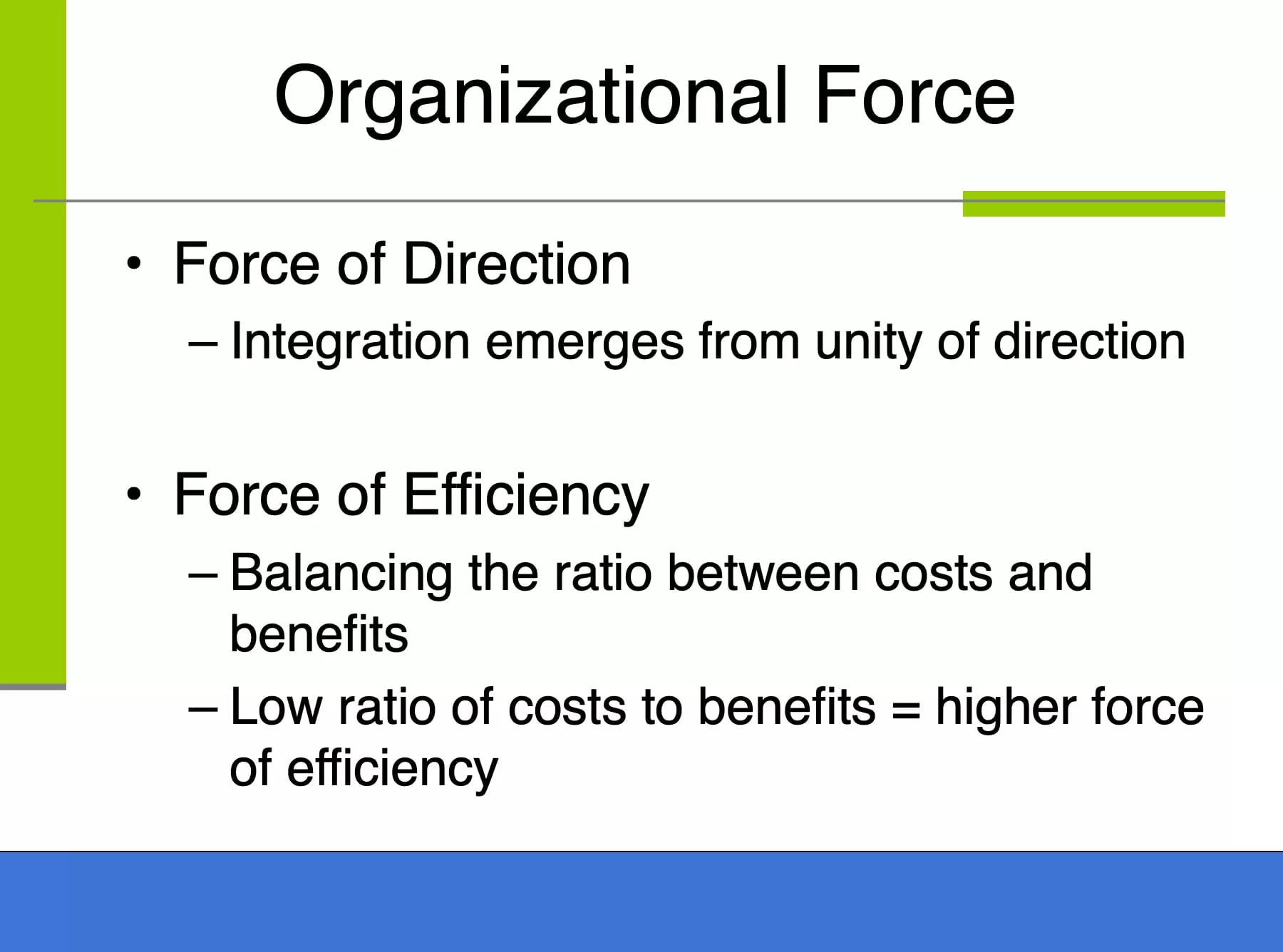
Participants also explore seven organizational forces associated with Mintzberg’s work.
Seven Forces Influencing Organizational Structure:
- Direction – the need to establish organizational purpose and strategic focus.
- Efficiency – the pressure to organize activities and resources effectively.
- Proficiency – the importance of specialist knowledge, professional expertise, and capabilities.
- Concentration – the tendency to focus organizational activities around particular areas of responsibility or business priorities.
- Innovation – the need to develop new ideas, approaches, and responses to changing circumstances.
- Cooperation – the importance of coordination and collaboration across organizational activities.
- Competition – the influence of competing interests and pressures within organizational arrangements.
These forces provide opportunities to discuss the different pressures that may influence organizational design and management practices.
For example, an organization may need to balance standardized procedures with professional autonomy, operational efficiency with innovation, or centralized direction with departmental independence.
Trainers can incorporate examples from their own organizations or clients to help participants explore these competing requirements.
Mintzberg’s configurations and organizational forces provide established frameworks for examining organizational design rather than prescribing one universally effective structure.
3. Six Models Of Organizational Structure
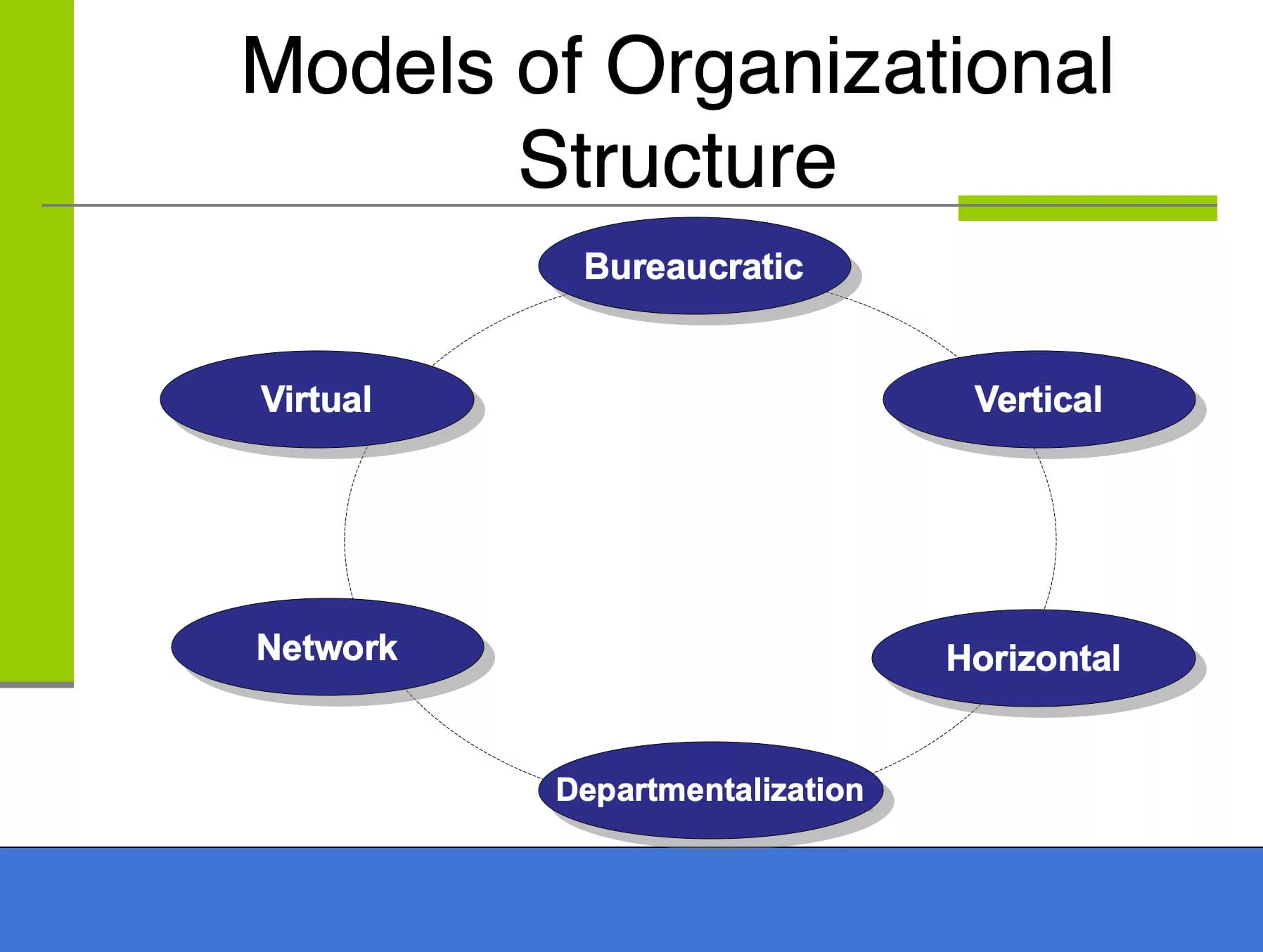
Examine six models and approaches to organizational structure and consider how different arrangements may influence responsibilities, communication, coordination, and management practices.
- Bureaucratic structure – exploring organizational arrangements characterized by formal rules, defined responsibilities, and established procedures.
- Vertical structure – examining hierarchical arrangements in which authority and reporting relationships are organized across different management levels.
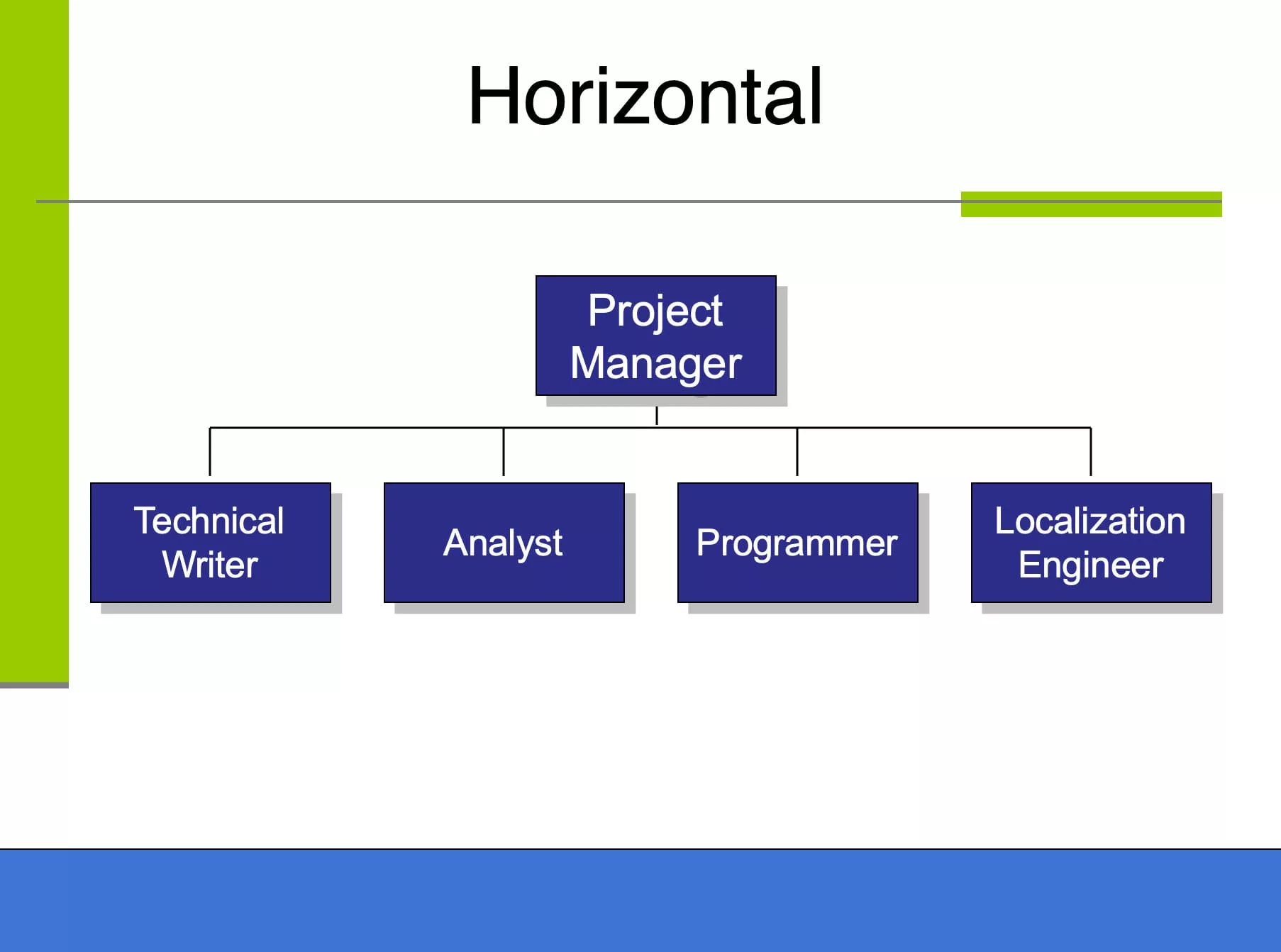
- Horizontal structure – considering arrangements that place greater emphasis on coordination across functions and fewer hierarchical layers.
- Departmentalization – exploring how organizational activities can be grouped into departments according to business requirements.
- Network structure – examining arrangements that rely on interconnected teams, organizational relationships, or external partners to coordinate activities.
- Virtual structure – exploring organizational arrangements that use communication technologies to coordinate activities across locations and organizational boundaries.
Each structural approach offers different opportunities and potential challenges.
A vertical structure may provide clearly defined reporting relationships, while a horizontal arrangement may encourage greater coordination across functions.
Departmentalization can support specialization, while network and virtual arrangements may provide flexibility in how organizational activities are coordinated.
These approaches are not necessarily mutually exclusive. Organizations may combine elements of several structural models to reflect their business requirements.
Participants can explore how different arrangements may influence:
- The distribution of authority and responsibilities.
- Communication between teams and departments.
- Management involvement and decision-making.
- The coordination of organizational activities.
- Employee autonomy and collaboration.
- Organizational flexibility and responsiveness.
- Alignment with wider business objectives.
Trainers can incorporate examples of existing organizational structures, reporting relationships, and business arrangements to encourage discussion about their potential advantages and limitations.
This final module provides a foundation for examining the suitability of different organizational arrangements while recognizing that effective organizational design depends on the wider business context.
Free Course Preview.
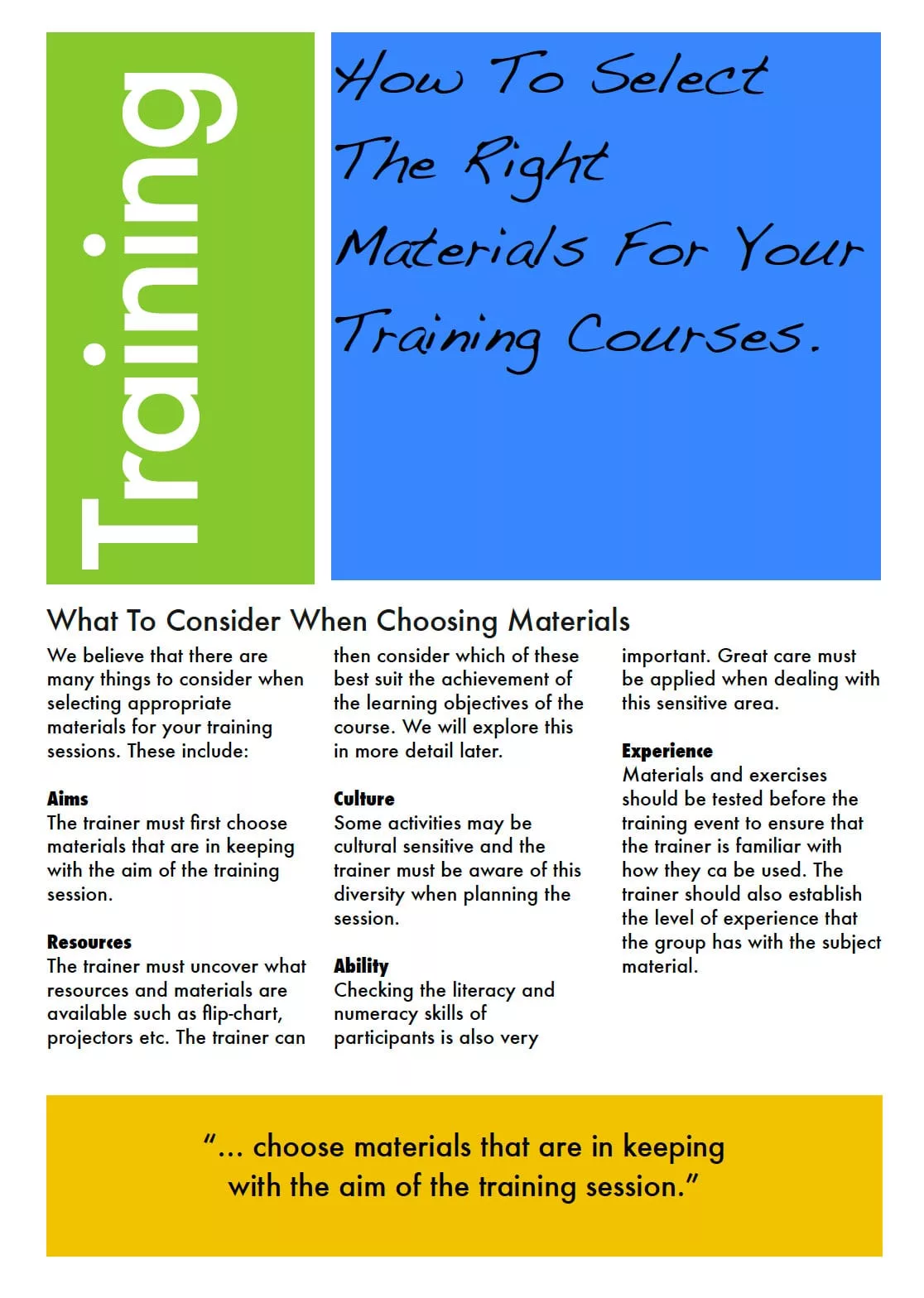
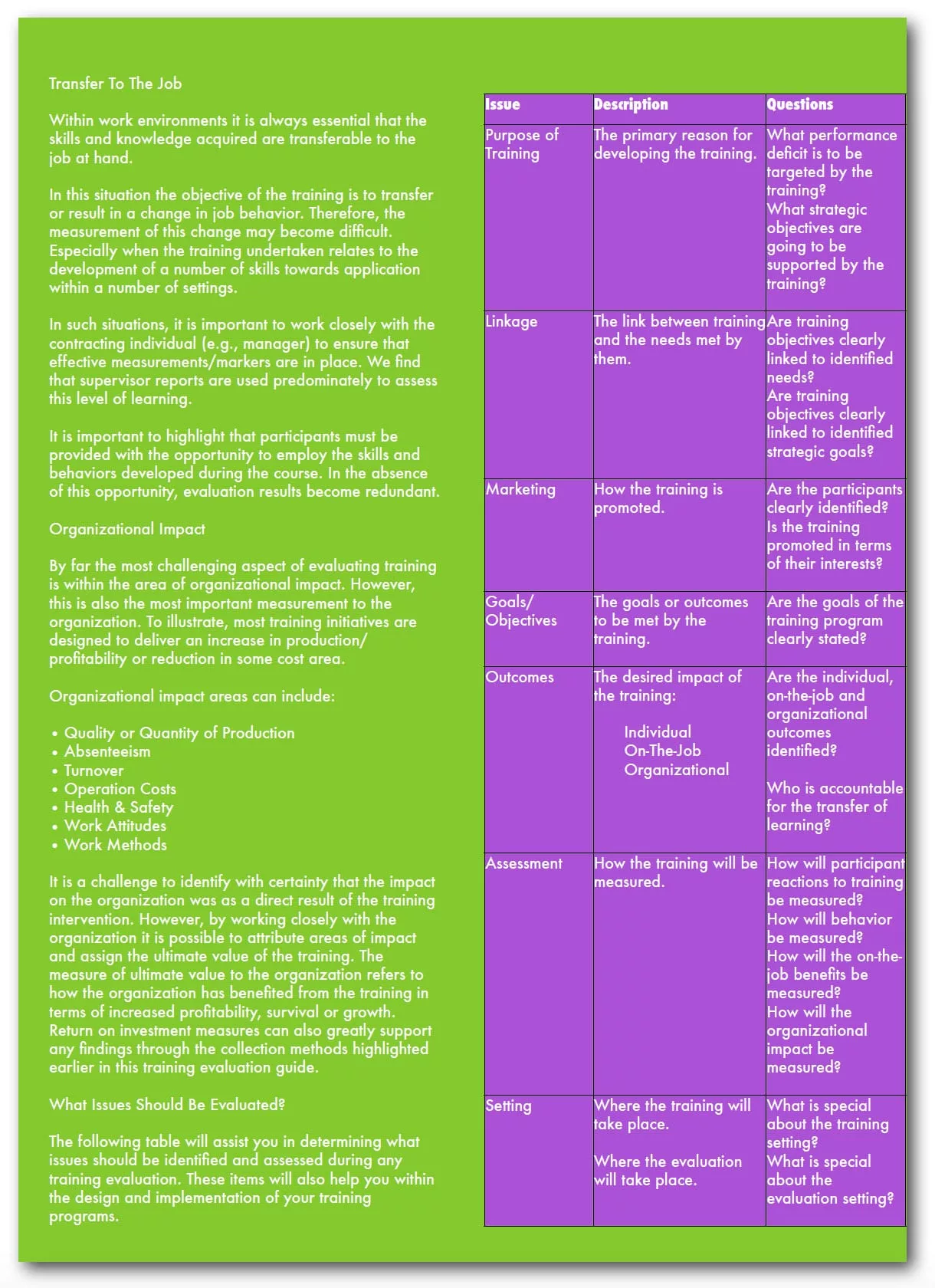
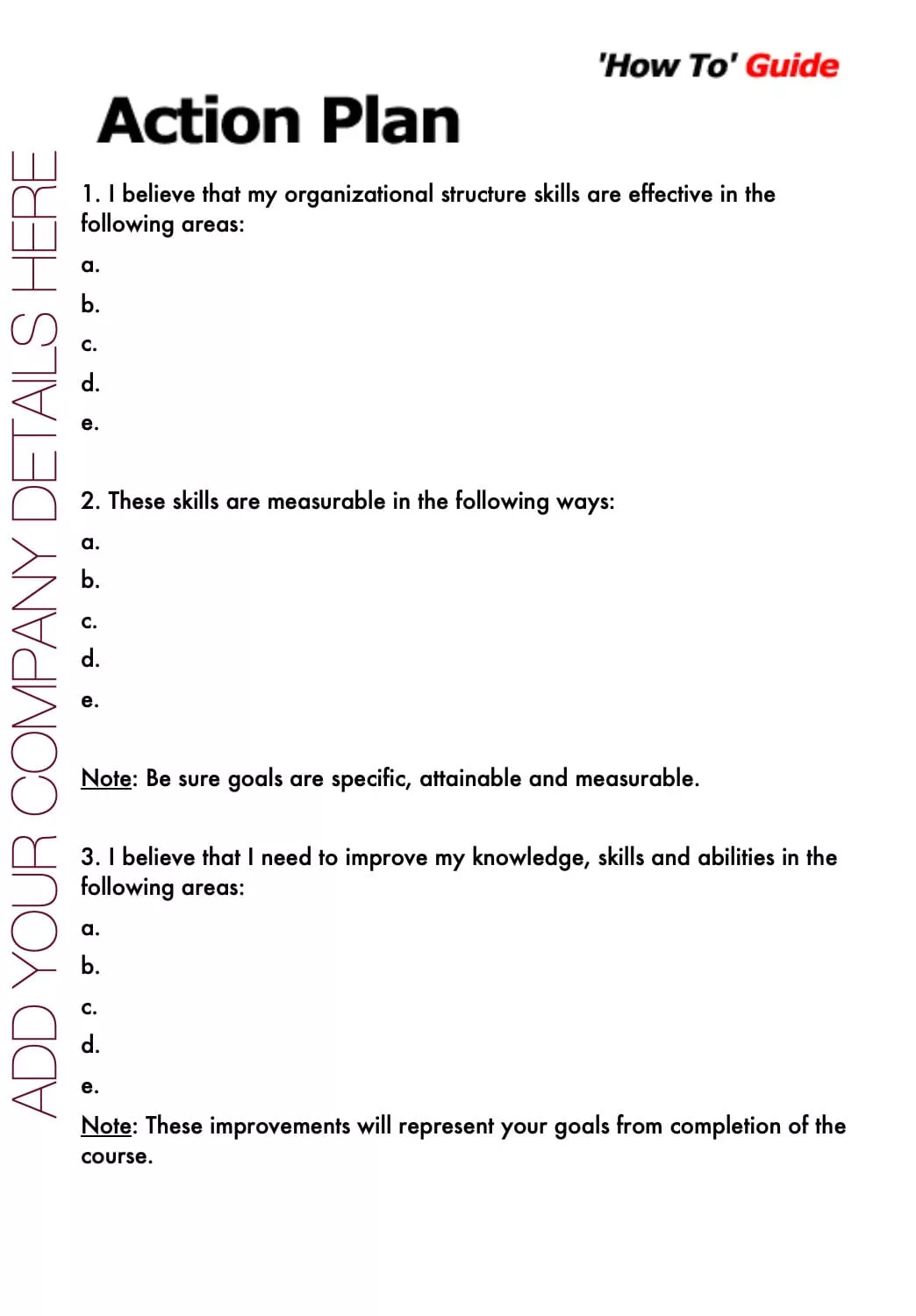
Explore sample presentation materials from the organizational structure training course before purchasing your complete training package.
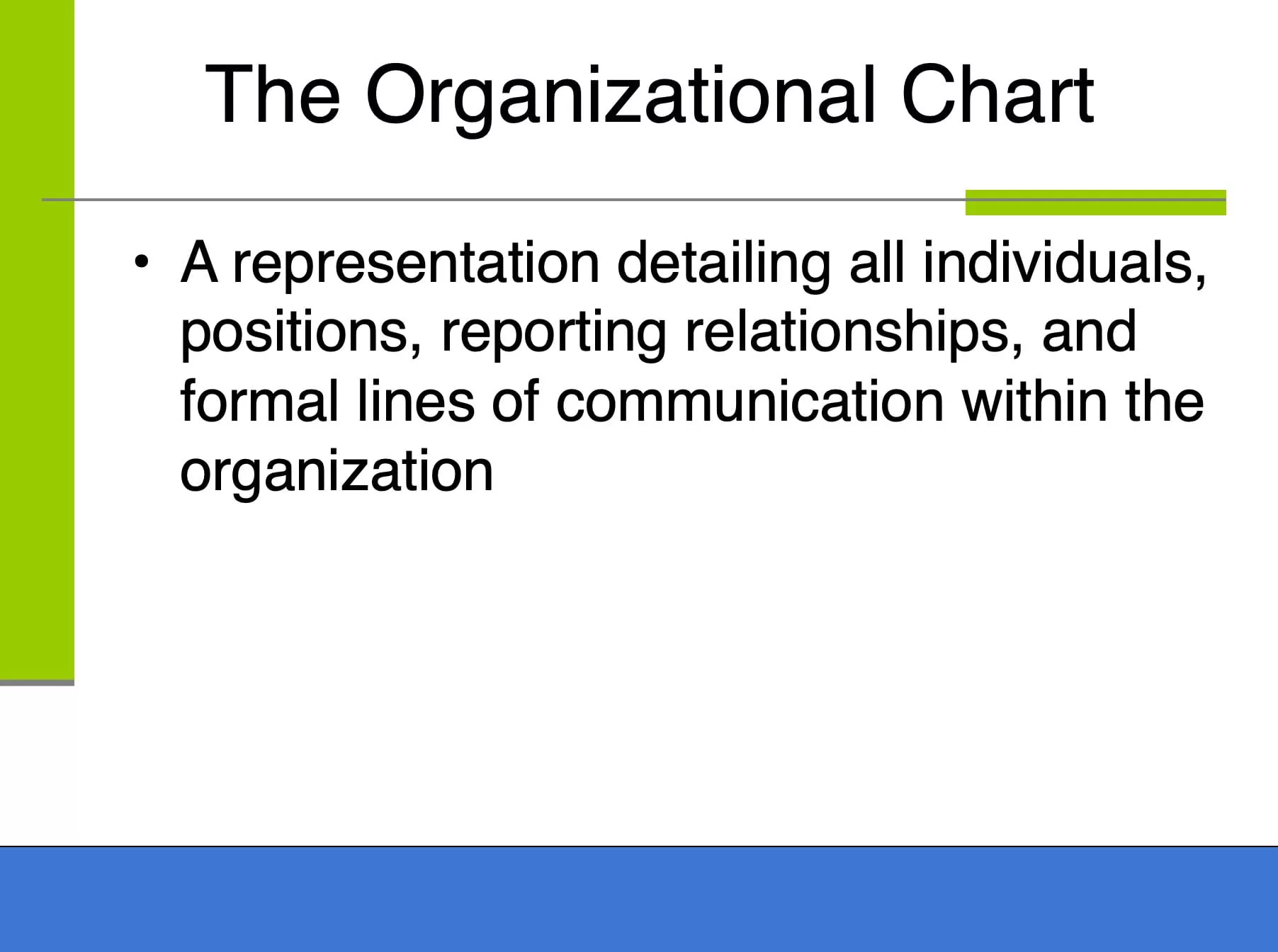
We intentionally use generic backgrounds and titles so you can incorporate your own branding, presentation style, organizational charts, and business examples.
Who Will Benefit From Your Workshop?
This organizational structure training is suitable for professionals who want to understand how organizational arrangements influence responsibilities, authority, communication, and business activities.
- Business managers who want to understand how organizational structures may influence responsibilities, coordination, and performance.
- Department heads responsible for organizing teams, establishing reporting relationships, and clarifying decision-making authority.
- HR professionals involved in organizational design, role definition, workforce planning, and management development.
- Team leaders seeking to understand how different organizational arrangements influence communication and coordination.
- Project managers working across departments who need to navigate reporting relationships, shared responsibilities, and competing priorities.
- Organizational development professionals exploring structural arrangements and their relationship with wider business objectives.
- Emerging managers interested in developing a broader understanding of organizational structures and management responsibilities.
- Business professionals who want to understand how their roles and activities fit within the wider organization.
Different Structures Serve Different Purposes. Make Your Training Relevant To The Organization.
A manufacturing business may rely on standardized processes, specialist departments, and clearly defined reporting relationships.
A professional services organization may place greater emphasis on specialist expertise and professional autonomy.
A project-based business may require flexible working arrangements and collaboration across traditional departmental boundaries.
Each organization provides a different context for exploring organizational structure and design.
Oak Innovation’s editable organizational structure courseware gives you the flexibility to connect established management theories with the organizational arrangements, responsibilities, and business challenges familiar to your participants.
- Customize the 63-slide PowerPoint presentation to reflect your organizational development priorities.
- Incorporate your organization’s existing organizational charts and reporting relationships.
- Adapt the 49-page participant workbook and practical training activities to your audience.
- Connect Mintzberg’s five structural configurations with familiar organizational examples.
- Explore the seven organizational forces in relation to your organization’s business requirements.
- Incorporate examples of departmental responsibilities and cross-functional working arrangements.
- Introduce relevant discussions about centralized and decentralized decision-making.
- Explore how different structural arrangements may support organizational flexibility and employee autonomy.
- Adapt discussions about network and virtual structures to reflect contemporary working environments.
- Add your own branding to the editable training materials.
- Reuse the training resources for future workshops in accordance with your reuse license.
Whether you’re preparing a management development workshop, supporting an organizational restructuring initiative, introducing organizational design concepts to emerging leaders, or delivering customized training for your clients, you can adapt the materials to reflect your training objectives.
You can also incorporate contemporary examples of hybrid working, cross-functional teams, distributed decision-making, and agile working arrangements to connect established organizational structure concepts with current business challenges.
Your organizational charts. Your business arrangements. Your professional branding.
No subscriptions. No recurring fees. No attribution required.
Frequently Asked Questions.
What are Oak Innovation's organizational structure training materials?
These are downloadable, editable professional training resources designed to help trainers deliver their own organizational structure workshops. The course covers organizational design fundamentals, Henry Mintzberg's organizational theories, and six models of organizational structure.
What is included in the organizational structure training package?
You receive 63 editable PowerPoint slides, a full trainer guide, a 49-page participant workbook, and 17 practical training activities, including icebreakers, games, and exercises. The materials are available as an instant digital download.
Who can benefit from organizational structure training?
The training is suitable for business managers, department heads, HR professionals, team leaders, project managers, organizational development professionals, and emerging managers who want to understand how organizations arrange responsibilities, authority, and business activities.
Why is organizational structure important?
Organizational structure can influence reporting relationships, communication, accountability, decision-making, and coordination. Understanding different structural arrangements helps participants examine how organizational design relates to business requirements and objectives.
Which of Mintzberg's organizational configurations are covered?
The course explores simple structure, machine bureaucracy, professional bureaucracy, divisionalized form, and adhocracy. These five configurations provide a framework for comparing different approaches to organizational design.
What are Mintzberg's seven organizational forces?
Participants explore direction, efficiency, proficiency, concentration, innovation, cooperation, and competition as forces that can influence organizational arrangements and management practices.
Which models of organizational structure are included?
The course covers six models and approaches: bureaucratic, vertical, horizontal, departmentalization, network, and virtual structures. Participants can explore their characteristics and consider their relevance to different organizational environments.
Can this training support organizational restructuring and agile working discussions?
Yes. The course provides a foundation for exploring organizational design, authority, coordination, structural flexibility, and different working arrangements. Trainers can incorporate examples of restructuring, agile working, and distributed decision-making, although the package is not presented as specialist agile transformation or distributed leadership training.
Can I customize the organizational structure training materials for my organization or clients?
Yes. The editable white-label courseware allows you to incorporate your own branding, organizational charts, reporting relationships, business examples, and professional terminology. You can adapt the materials to reflect different organizational environments and training objectives.
Can I reuse the organizational structure training materials and access them immediately?
Yes. The training materials are available as an instant digital download after purchase and can be reused for future workshops in accordance with the terms of your reuse license. There are no subscriptions, recurring fees, or attribution requirements.
What Trainers Say About Oak Innovation.
★★★★★ “Oak creates self-contained, practical, and easy-to-use training modules… with personal service.” – Rey Carr, Peer Resources.
★★★★★ “This program is ready to go! Complete and comprehensive as I’ve ever seen.” – Dave Benak, TrainingPays.
★★★★★ “Courses are laid out so well and spark natural dialogue… Most thorough content you can find.” – Bryon Jennings.
★★★★★ “The notes for facilitator were simple and easy to follow.” – Tracey O’Shea, Forest Laboratories.
Look Beyond The Organizational Chart. Understand The Thinking Behind The Structure.
An organizational chart can show who reports to whom.
Understanding organizational structure goes further. It encourages consideration of how responsibilities are distributed, why activities are grouped together, where authority sits, and how different parts of an organization work together.
Oak Innovation’s enterprise-ready organizational structure courseware brings established organizational design concepts, Mintzberg’s theories, and different structural models together in one complete, editable professional training package.
Three core modules. Five structural configurations. Seven organizational forces. Six models of organizational structure.
With 63 editable PowerPoint slides, a supporting trainer guide, a 49-page participant workbook, and 17 practical training activities, you have a structured starting point for exploring organizational design with your participants.
Bring your organizational knowledge, management experience, and professional expertise to a training package designed to support your own course delivery.
One-time payment. Professional organizational structure courseware. Your branding. Ongoing reuse.
Explore the structures. Understand the relationships. Deliver training that helps people see how their organization fits together.
63 editable PowerPoint slides • Full trainer guide • 49-page participant workbook • 17 activities • Instant download • Reuse license
The Brands That Trust Our Content.




























The Content Behind The Results.
-

Break The Blank Slide Cycle With Our Strategic Decision-Making Skills Course
$37.00 - One Payment. Unlimited Reuse. Add to cart -

Eliminate The Preparation Bottleneck With Our Strategic Leadership Skills Course Material
$37.00 - One Payment. Unlimited Reuse. Add to cart -

For Trainers Who Want To Grow Their Business Basics Courses, Not Their Preparation Time
$37.00 - One Payment. Unlimited Reuse. Add to cart -

For Trainers Who Would Rather Be Training Courses On Organizational Structure
$37.00 - One Payment. Unlimited Reuse. Add to cart -

Stop Building Strategic Management And Measurement Courses. Start Delivering Them.
$37.00 - One Payment. Unlimited Reuse. Add to cart -

The Only Thing Missing From This Marketing Skills Course Is Your Logo
$37.00 - One Payment. Unlimited Reuse. Add to cart -

The Strategic Performance Manager Course Material | Strategic Management Training Courseware
$37.00 - One Payment. Unlimited Reuse. Add to cart